

Head Injuries | Virginia
Hit Your Head? Know the Signs That Need the ER Now
Some head injuries look minor at first. Learn which warning signs call for emergency care right away, and how Correll Law Firm helps people hurt in crashes across the Shenandoah Valley, Richmond and Henrico County.
Published October 17, 2026
Wondering when to go to the ER after hitting your head? Go now, or call emergency services, if the person shows any emergency sign on the list below. Those signs include being knocked out, having a seizure, or not being able to stay awake. Other head hits call for close watching at home. This guide covers the warning signs from the CDC and the NHS. It also covers what to watch for later and what matters after a car or truck crash in Virginia.
Why a hit to the head deserves a closer look
A hit to the head can range from a minor bump to a serious brain injury, and the two can look alike at first. A concussion is a type of brain injury. The CDC HEADS UP materials describe concussion and its warning signs in plain terms.
The size of a bump doesn’t tell you much. The signs tell you more. Feeling fine in the first few minutes doesn’t rule out an injury, so keep checking. A person hurt in a crash may be shaken, unsure what happened, or unable to describe how they feel. Treat that as a reason to watch more closely, not less.
Ask the person what happened, but don’t rely only on their answers. Look at them, listen to how they speak, and notice how they move. Keep the signs list handy so you can check it again if anything changes.
Not sure what your next step is?
Talk it through with Correll Law Firm — we can walk you through how a situation like yours is usually handled and what your options are.
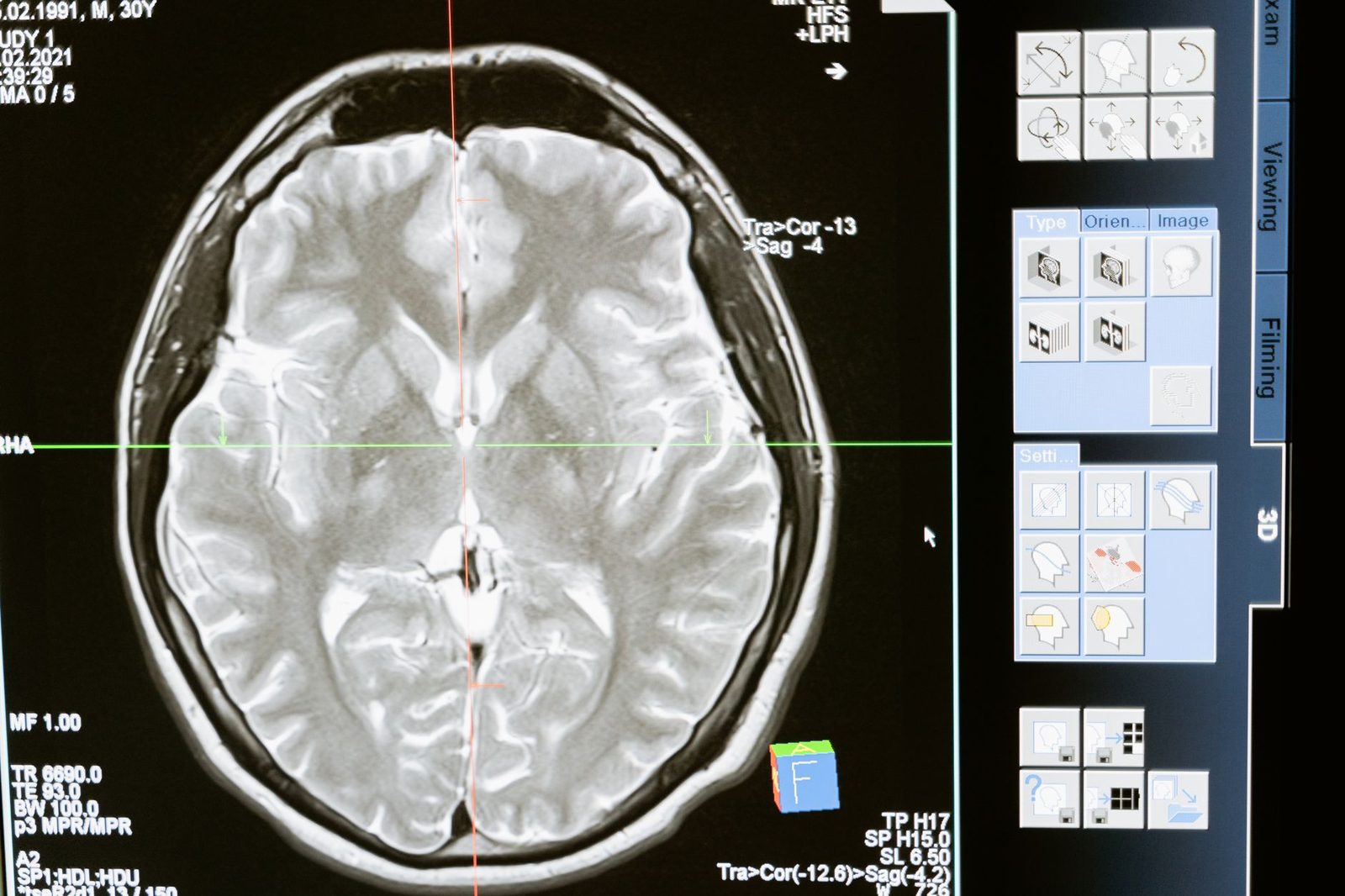
Warning signs that mean go to the ER now
Go to the ER now, or call emergency services, if the person has any sign below. The NHS advises an emergency call when someone has been knocked out and has not woken up. It also advises one when a person cannot stay awake or keep their eyes open, or has a seizure, also called a fit.
The CDC lists other warning signs that call for prompt medical care:
- Slurred speech.
- Weakness or numbness.
- Decreased coordination.
- One pupil larger than the other.
Any one of these signs is enough reason to act. Don’t wait to see whether it passes. If the person has a seizure or cannot wake up, call emergency services rather than arranging a ride. Getting care quickly is the safer choice.
Symptoms that can appear later
Symptoms can change over time, so a person who seemed fine at first still needs watching. The CDC lists a headache that gets worse and does not go away as a warning sign. Watch for that headache even if it starts out mild.
Trouble staying awake is also a sign to act on. Don’t dismiss sleepiness just because the person says they are only tired. Keep an eye on balance and movement too, since decreased coordination and new weakness both matter.
If you are the one watching, check on the person often. Write down what you notice and when you notice it. Seek emergency care again if symptoms start or get worse. A short written note helps the people treating the person understand what changed.
Common questions about timing
Timing questions come up often, but the guidance linked here ties the decision to symptoms you can see, not to a set clock.
Is there a 4-hour rule for head injury?
A fixed number of hours is not a substitute for checking the signs above. If any emergency sign appears, seek emergency care, no matter how much time has passed since the hit.
How do you know if a head hit was serious?
Start with the signs list. Then think about how the hit happened and whether the person was knocked out. Also notice whether they seem to act differently than usual afterward.
Who needs extra caution
Someone who cannot explain how they feel needs closer watching from a person nearby. Young children are one example. They may not be able to name what hurts or describe what they feel. Watch their behavior, their sleep, and how they respond to you.
Give the emergency team a full list of the medicines the person takes, including any blood thinners. Medicines are part of the picture staff need to see. Leave out guesses about what the medicine might do, and stick to what you know.
When you call or arrive, be ready to share four things. Say what happened and when it happened. Say whether the person was knocked out, and for how long if you know. Describe any signs you have seen since the hit. List the medicines the person takes. A clear, accurate account helps more than a guess.

When a crash caused the head injury
After a car or truck crash, the same warning signs still decide when to seek emergency care. A person who feels only a little dazed still needs watching. The medical record made that day becomes part of the story later. That is why the account of the crash and the symptoms should be accurate and complete.
Virginia requires a driver involved in a crash with injury or death to stop and report it to police immediately (Va. Code §§ 46.2-371, 46.2-894). The two-year period is the deadline to file a lawsuit, not to report a crash.
The Virginia DMV crash page covers crash and injury reporting duties and the forms involved.
On the lawsuit timeline, Virginia generally allows two years from the date of injury to file a personal injury lawsuit (Va. Code § 8.01-243(A)); the clock runs from the date of injury, not the date of discovery, with narrow exceptions.
Health comes first. Questions about a claim can wait until the person is safe and has been checked.