
Traumatic Brain Injury
Can You Recover from a Traumatic Brain Injury?
Understanding TBI recovery, what to expect, and how legal help can support your path forward.
Published October 05, 2026
Yes, recovery from a traumatic brain injury (TBI) is possible, but it looks different for every person. Recovery depends on the severity of the injury, where the brain was damaged, your age, your overall health, and your access to rehabilitation. Some people regain most or all of their function. Others experience lasting changes. The key is understanding what recovery actually means and what supports it.
What recovery from a traumatic brain injury looks like
Recovery from TBI is highly individual and shaped by many factors. The brain has a remarkable ability called neuroplasticity—it can form new neural connections and sometimes compensate for damaged areas. This means healing and adaptation can happen even after a serious injury.
Recovery isn’t always a straight line upward. Progress often comes in stages, with periods of rapid improvement followed by plateaus. Some people regain function significantly within months. Others progress more slowly over years. According to the National Institute of Neurological Disorders and Stroke (NINDS), brain damage may be temporary or permanent, and recovery can take a long time.
The severity of your injury matters enormously. A mild TBI (concussion) often causes temporary disruption. A moderate TBI typically requires months to years of recovery, with some effects potentially lasting longer. A severe TBI often results in permanent changes—but meaningful recovery and adaptation are still possible.
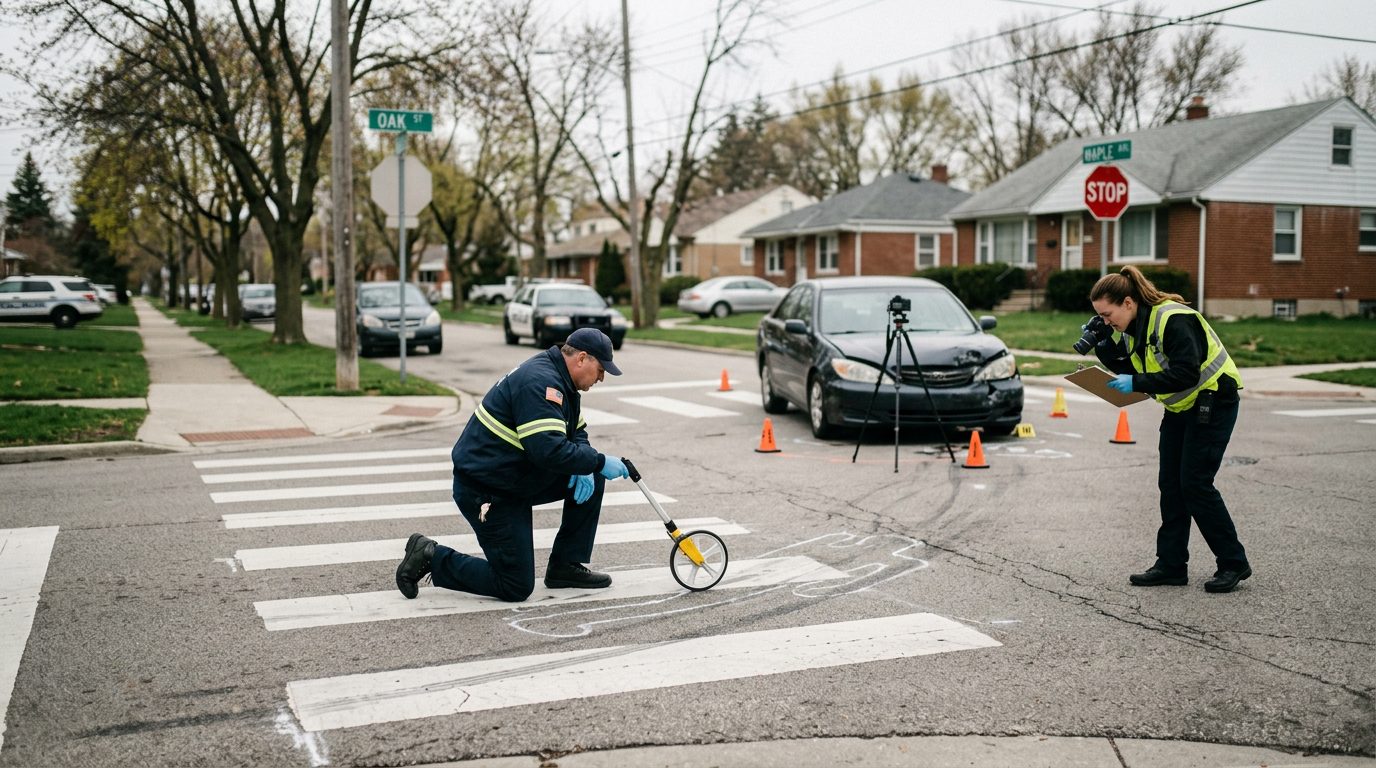
If a car or truck crash caused your brain injury, you may have a legal claim to help fund your recovery—reach out to discuss your situation. Talk it through with our team — the first case evaluation is free, confidential, and carries no obligation.
Are you ever the same after a brain injury?
Whether you’ll be “the same” depends on the severity of your injury and how your brain heals.
Mild TBI (concussion): Many people return to their baseline function within weeks to months. However, some experience persistent post-concussion symptoms—headaches, dizziness, memory problems, or mood changes that linger longer than expected.
Moderate TBI: Recovery typically takes months to years. Some people regain near-normal function; others experience residual effects in memory, attention, or emotional regulation that require ongoing management or adaptation.
Severe TBI: Permanent changes are common. These may include cognitive differences (slower thinking, difficulty with complex tasks), physical limitations (weakness, balance problems), or emotional and behavioral changes. But permanent doesn’t mean static. Many people continue to improve and adapt for years after injury.
Changes after TBI aren’t always losses. Some people develop new coping strategies, stronger relationships, or different but meaningful ways of engaging with life. Recovery is about adaptation and finding a functional, fulfilling path forward—not necessarily returning to exactly who you were before.
How long does recovery from traumatic brain injury take?
There’s no single timeline for TBI recovery. Most significant progress happens in the first 6 months to 2 years, but improvement can continue for years or even indefinitely.
Mild TBI: Symptoms often resolve within weeks to months for most people.
Moderate TBI: Substantial recovery typically takes months to years. Some effects may persist, but many people return to work and daily activities with or without modifications.
Severe TBI: Recovery is often a lifelong process. Early gains are usually fastest, but meaningful progress can continue for years. According to the CDC, recovery from a moderate or severe TBI may require specialized medical care, such as rehabilitation, after the injury.
The enormous variation between individuals means no two recoveries are identical. Age, overall health, the location and extent of the brain injury, and access to quality rehabilitation all influence the pace and extent of recovery.
What helps someone recover from traumatic brain injury?
Recovery depends on a combination of medical care, rehabilitation, and support.
Immediate and ongoing medical care stabilizes the injury and prevents complications. Rehabilitation therapies are critical: physical therapy restores movement and strength, occupational therapy helps with daily living skills, speech therapy addresses communication and swallowing, and cognitive rehabilitation targets memory, attention, and executive function.
Neuropsychological assessment and treatment address the cognitive and emotional effects of TBI—depression, anxiety, personality changes, and difficulty with memory or decision-making are common and treatable.
Family support and a structured environment help the brain heal without overload. Gradual return to activities and work, often with modifications, prevents setbacks and supports reintegration.
Long-term follow-up care monitors recovery and adjusts treatment as needed.
Here’s the hard truth: access to these services depends heavily on financial resources and insurance coverage. Rehabilitation is expensive. Therapy is ongoing. Assistive devices, home modifications, and long-term care add up quickly. Many families face a gap between what their insurance covers and what recovery actually requires.
What are the psychological effects of traumatic brain injury?
The psychological impact of TBI is profound and often underestimated. Depression, anxiety, and mood changes are common after brain injury. Personality changes may occur—some subtle, some significant. Cognitive effects include difficulty with memory, attention, processing speed, and executive function (planning, decision-making). Emotional regulation challenges may make anger, sadness, or frustration harder to manage.
These effects can improve with therapy, medication, and time. But they may also persist. Psychological support—counseling, neuropsychological therapy, peer support—is a critical part of recovery, not an afterthought.
How long can a person live with traumatic brain injury?
Life expectancy after TBI varies widely based on severity and how well complications are managed. Mild to moderate TBI typically does not shorten lifespan. Severe TBI increases the risk of secondary complications—infection, seizures, blood clots—that require careful medical management.
The NINDS notes that adults 65 and older are at greatest risk for being hospitalized and dying from a TBI, most often from a fall. Men are nearly three times more likely to die from a TBI than women.
Many people live full lifespans after TBI. Quality of life and independence depend on the severity of the injury, the quality of rehabilitation and long-term care, and the strength of family and community support.
Not sure what your next step is?
Talk it through with our team — the first case evaluation is free, confidential, and carries no obligation.
When a traumatic brain injury is caused by an accident
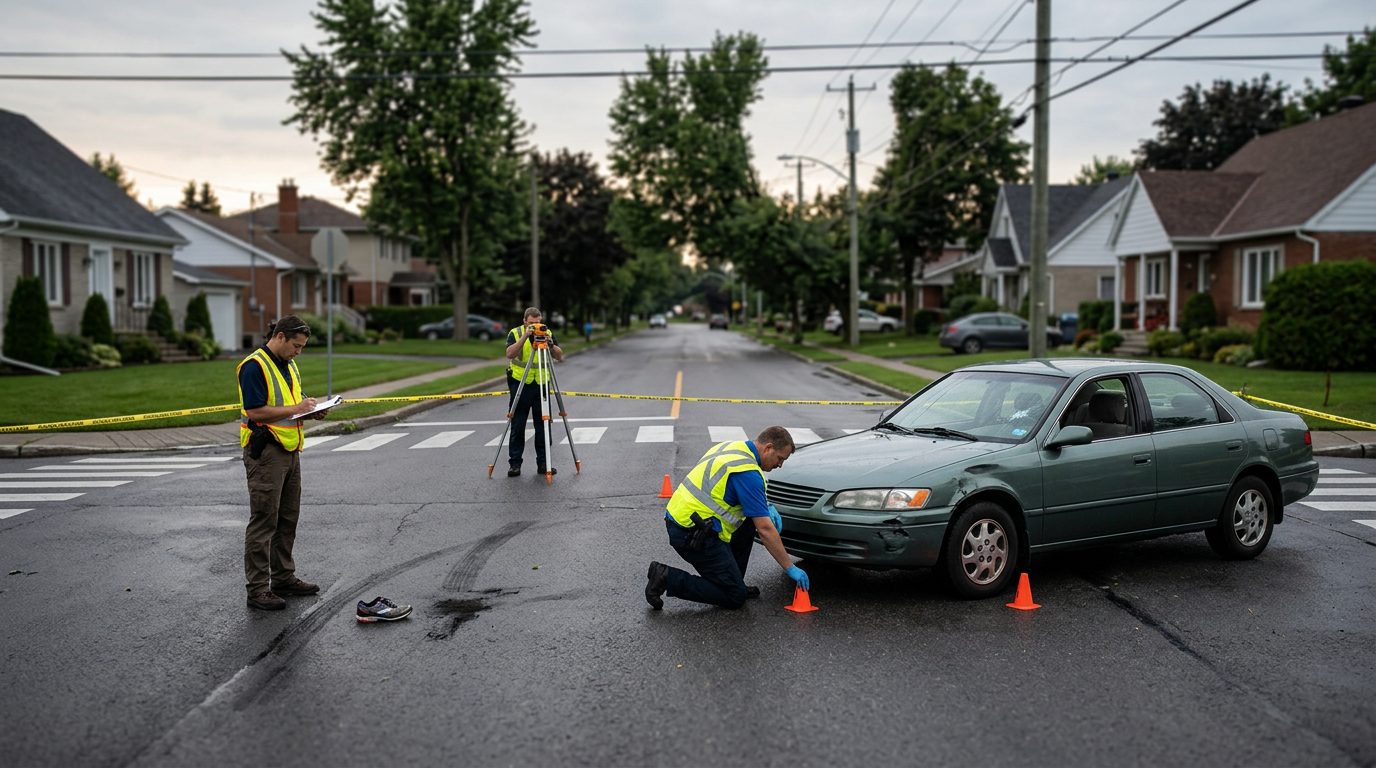
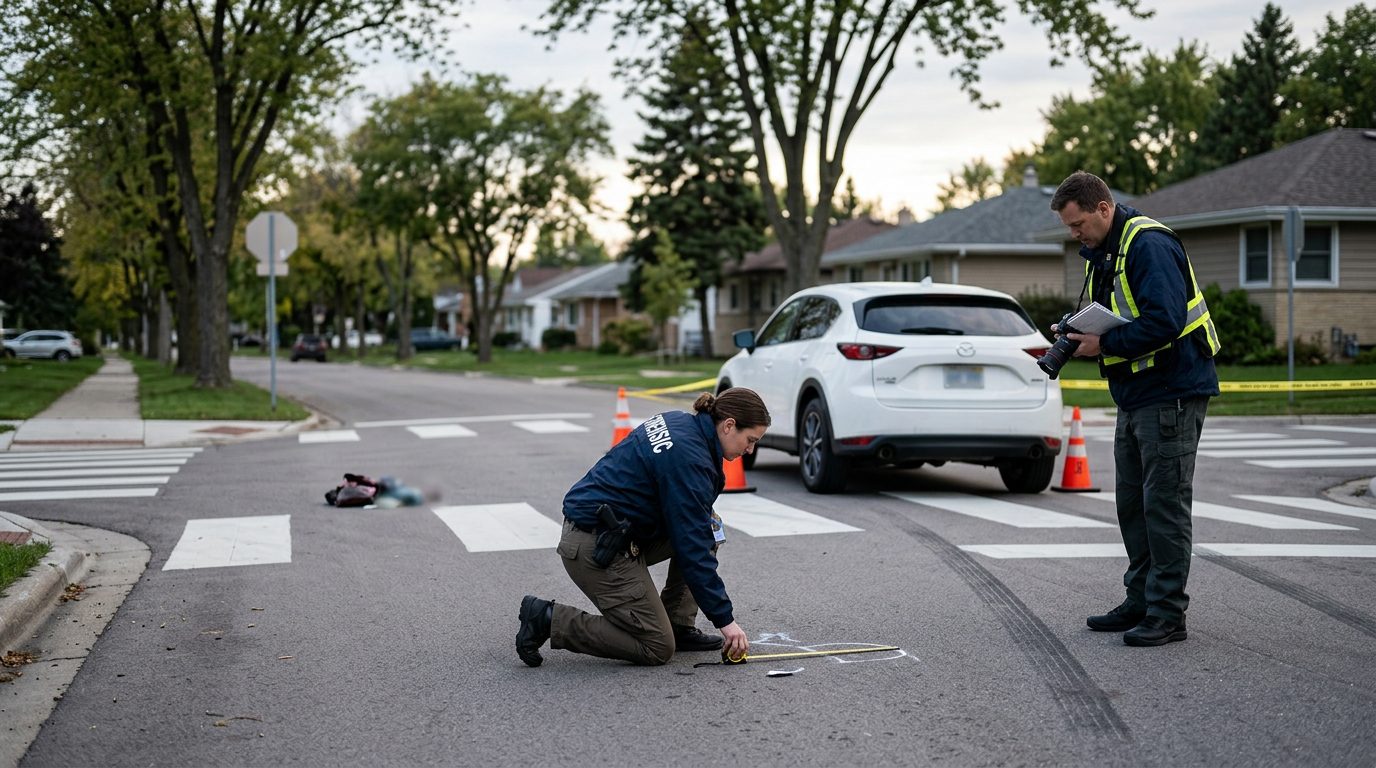
If your TBI resulted from a car crash, truck accident, or another person’s negligence, you may be entitled to compensation for medical care, rehabilitation, lost income, and other damages. This is where legal support becomes practical: funding recovery is critical, and a legal claim can help secure the resources your recovery requires.
Rehabilitation, therapy, assistive devices, home modifications, and long-term care are expensive. Insurance may not cover everything. A legal claim can help bridge that gap—ensuring your family has the financial stability to focus on healing rather than financial crisis.
In Virginia, a personal-injury lawsuit must generally be filed within two years after the cause of action accrues. If your injury was caused by someone else’s negligence, time matters. Pursuing a claim should not delay your medical care or rehabilitation—but addressing it early protects your rights.
Frequently asked questions
Can you fully recover from a severe traumatic brain injury?
Full recovery to your pre-injury baseline is less common with severe TBI, but meaningful recovery and adaptation are possible. Many people with severe TBI continue to improve for years.
How does neuroplasticity help TBI recovery?
Neuroplasticity is the brain’s ability to form new neural connections and reorganize itself, allowing undamaged areas to sometimes compensate for injured tissue. This capacity supports recovery even after serious injury.
What’s the difference between mild, moderate, and severe TBI?
Mild TBI (concussion) typically causes temporary symptoms. Moderate TBI causes longer-lasting effects and requires rehabilitation. Severe TBI often results in significant, lasting changes in function and may require lifelong support.
How can my family support my TBI recovery?
Structure, patience, realistic expectations, and connection matter. Help manage fatigue and overstimulation, support rehabilitation efforts, watch for mood or behavioral changes, and seek professional support when needed.
If I was partly at fault in the accident that caused my TBI, can I still recover damages?
Virginia follows contributory negligence: if you are found even partly at fault, you may be barred from recovering, with limited exceptions (Contributory negligence bars recovery in Virginia). Talk to a lawyer about your facts. Whether you can recover if you were partly at fault depends on the specific facts of your situation. A lawyer can review your accident and explain your options.
If a car or truck crash caused your brain injury, you may have a legal claim to help fund your recovery. If you’re navigating both medical recovery and questions about whether you have a case, reach out to discuss your situation with our team.
Related practice areas
- Catastrophic Injury Lawyer in Virginia | Correll Law Firm