
Catastrophic Injuries | Shenandoah Valley and Virginia
When a Serious Injury Changes Everything, Plan One Step at a Time
Plain-language guidance for Virginia families living with lasting injuries from car crashes, commercial truck crashes and other serious accidents.
Published October 31, 2026
The catastrophic injury meaning is simple: it is a severe injury that causes long-term or permanent loss of function. It can change how a person thinks, moves and cares for themselves for years. This guide explains the term, the daily care that often follows, and the steps families can take to plan. It is written for injured people and their families in Virginia, including readers in the Shenandoah Valley, Winchester, Harrisonburg, Richmond and Henrico County.
What Does “Catastrophic Injury” Mean?
A catastrophic injury is a severe injury that leaves lasting, life-altering impairment. It is more than a serious injury that heals in a few weeks or months.
In everyday speech, people use “catastrophic” for any terrible injury. In medical settings, the word points to how much the injury limits a person’s life over the long run. The key questions are whether the person can still work, move, think clearly and handle daily tasks, and for how long.
Two parts of the meaning matter most. The injury is severe, and its effects last. A person may look stable in the hospital but still need months of rehabilitation and ongoing help at home. That is why the injury’s lasting effects, not just its first severity, shape long-term needs. Families who understand this early can plan with more confidence.
Not sure what your next step is?
Talk it through with Correll Law Firm — we can walk you through how a situation like yours is usually handled and what your options are.

Examples of Catastrophic Injuries
Common examples include traumatic brain injury, spinal cord injury, amputation, severe fractures and crush injuries that cause lasting loss of mobility.
- Traumatic brain injury (TBI): Effects can include trouble with memory, speech, attention and behavior. A TBI can be mild or severe. The U.S. Department of Veterans Affairs notes that TBI may occur with broken bones, burns or limb loss as part of polytrauma.
- Spinal cord injury: Paraplegia affects use of the legs and often the trunk. Quadriplegia affects the arms, legs and trunk. Either one changes everyday tasks such as transfers, dressing and bladder or bowel care.
- Amputations, severe fractures and crush injuries: These can cause lasting mobility loss, even when a person’s thinking is unaffected.
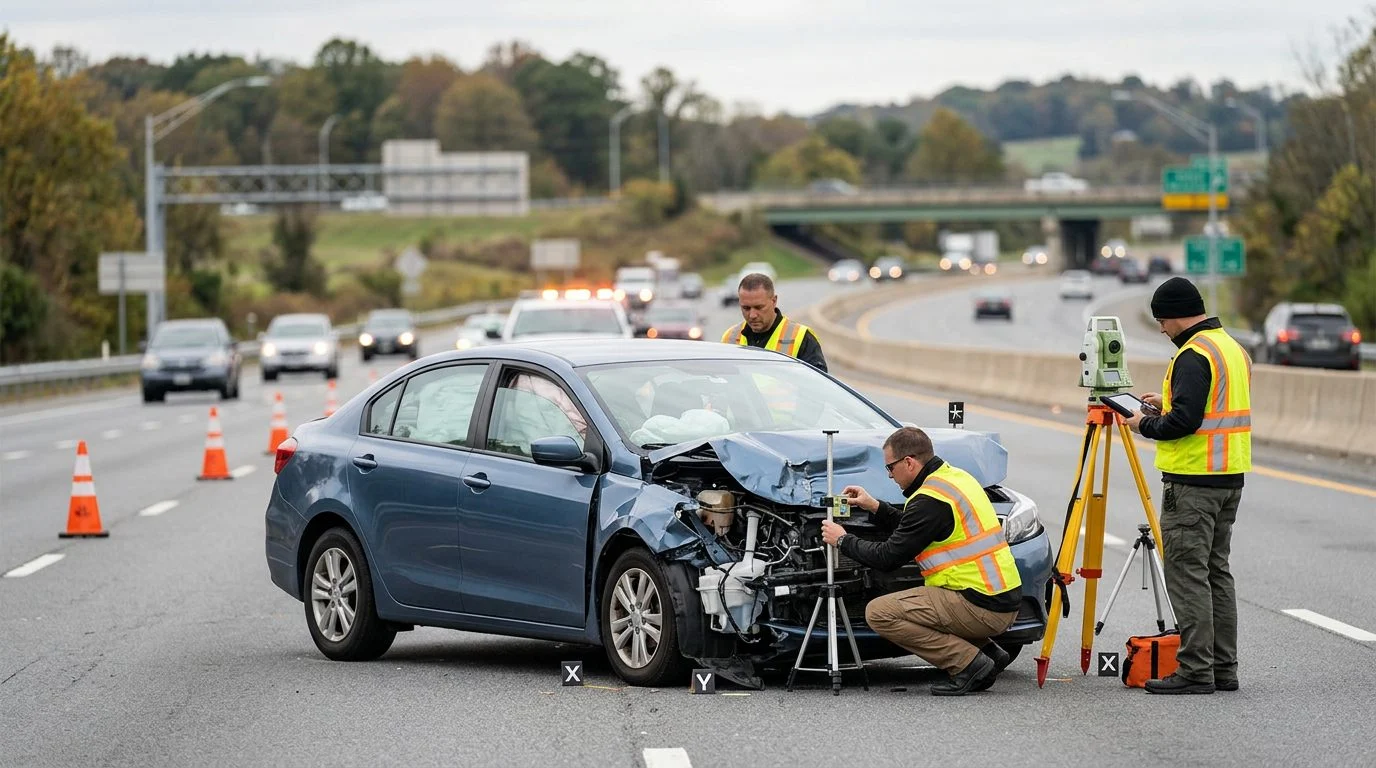
Car accidents and crashes involving commercial trucks can cause these injuries. The size and speed of a large vehicle can add force to the body, which raises the risk of severe harm.
Two people with the same diagnosis can still have very different care needs. Age, overall health, the exact location of the injury and access to therapy all shape what a person needs day to day.
Can a Person Survive a Catastrophic Injury?
Yes, a person can survive a catastrophic injury. Survival is the first question. Recovery is a separate one.
Early care focuses on stabilizing the person and treating the injury. Rehabilitation comes next, and it often continues for a long time. The Model Systems Knowledge Translation Center describes multidisciplinary rehabilitation for people with TBI across the emergency, acute and post-acute stages. Multidisciplinary means a team of doctors and therapists from different fields working together.
Recovery often continues over months and years. Some gains come early, and others come slowly. Needs also change as the body or brain adjusts, so a plan made in the hospital may not fit six months later.
Families should plan for both phases. The hospital phase brings urgent medical decisions. The longer period brings daily routines, home changes and ongoing therapy.
Why Caregiving Needs Grow After a Catastrophic Injury
Caregiving needs after a catastrophic injury usually cover daily living, mobility, thinking skills, medical management and emotional support.
- Daily living: Help with bathing, dressing, toileting, transfers and feeding.
- Mobility: Wheelchairs, home changes such as ramps or wider doorways, fall prevention and supervision.
- Thinking skills: After a brain injury, memory, judgment, planning and safety awareness may be affected. Supervision may be needed even when physical tasks are manageable.
- Medical management: Medications, wound care, catheter or bowel routines, appointments and therapy schedules.
- Emotional and behavioral support: For the injured person and the family, who may be adjusting to new roles at home.
The caregiving load often falls on one or two family members. That can strain work, household finances and relationships. Recognizing this early helps families ask for help before exhaustion sets in.
Building a Caregiving Plan Step by Step
A caregiving plan starts with the treating team’s written recommendations and a clear list of daily tasks. These five steps can help families build one.
- Gather written recommendations. Collect notes from doctors, therapists and home-care providers in one place.
- List tasks by time of day. Note the help needed for each task, from full assistance to occasional supervision.
- Compare care options. Family caregiving, in-home aides, skilled nursing and residential care each have strengths and limits. Write down the trade-offs for your household.
- Plan for respite. Caregivers can burn out. Decide who covers when the main caregiver is unavailable or needs rest.
- Set a date for reassessment. Review the plan after major rehabilitation milestones or new complications.
Write the plan down and share it with everyone involved. A written plan keeps relatives, aides and therapists working from the same information.
Organizing Records for the Long Term
Organized records help families track progress and share accurate details with the treating team. A single folder, paper or digital, is a good place to start.
- Daily care log: Note tasks, hours of help and changes in function. Setbacks become easier to spot.
- Medical records: Keep discharge notes, therapy notes, test results and prescription lists together.
- Crash and insurance papers: Keep the crash report, claim numbers and insurance letters.
- Supplies and trips: Keep records of equipment, supplies, travel to appointments and home changes.
- Work and household changes: Note how the injury has changed work hours, household roles and family routines.
These records also support disability claims. The Virginia Department for Aging and Rehabilitative Services describes the medical and non-medical review used for SSDI and SSI disability claims. Share an organized summary with the treating team so their recommendations stay current.
Not sure what your next step is?
Talk it through with Correll Law Firm — we can walk you through how a situation like yours is usually handled and what your options are.
Time-Sensitive Decisions Families Should Know About
Virginia’s deadlines run from set dates, so families should write them down early. The filing deadline for a lawsuit is the most important one to track.
Virginia generally allows two years from the date of injury to file a personal injury lawsuit (Va. Code § 8.01-243(A)); the clock runs from the date of injury, not the date of discovery, with narrow exceptions.
Some claims carry notice requirements that run out sooner. A negligence claim against a county, city or town needs a written statement, including the time and place of the injury, filed within six months, unless the locality’s attorney, chief executive, or mayor, or an insurer or entity providing coverage or indemnification of the claim, had actual knowledge of the claim within that period; if the claimant was under a disability, the tolling provisions of § 8.01-229 apply (Va. Code § 15.2-209).
The two-year period applies to filing a lawsuit, not to reporting a crash.
When an injury leads to death, a different rule applies. A Virginia wrongful death action is brought by and in the name of the decedent’s personal representative, within the time limits of § 8.01-244, which requires it within two years after the death of the injured person (Va. Code § 8.01-50(C), § 8.01-244(B)).

Frequently Asked Questions About Caregiving After a Catastrophic Injury
Is every serious injury a catastrophic injury?
No. The term usually refers to lasting, life-altering loss of function, which medical evaluation helps determine.
Can family members provide all of the care?
Some families do. Planning should include training, respite and the point when skilled professional care is recommended.
How often do care needs change?
They often change during rehabilitation and as the body or brain adjusts. Periodic review with the treating team helps keep the plan current.
What if the injured person cannot make decisions?
Families should look early at legal decision-making authority and who will speak for the injured person. A lawyer may help explain those options if you wish to talk with one.
Where should a family start?
Start with the treating team’s written recommendations and an organized list of daily needs.