

Car & Truck Accidents | Shenandoah Valley and Virginia
Some Injuries Are Harder to Prove After a Virginia Crash
Why certain injuries leave less obvious evidence, and which records help show what happened to you.
Published November 13, 2026
After a crash, you may be hurt in ways a scan can’t show. Some injuries are hard to prove because they leave few objective marks, not because they are less real. The usual examples are soft tissue injuries, neck and back problems, mild brain injuries, symptoms that appear late, and emotional effects.
Why Some Injuries Are Harder to Prove Than Others
Some injuries are hard to prove because the proof lives in symptoms, exams and medical history. A broken bone usually shows on an X-ray. A spinal cord injury with clear imaging is easier to document than a strain that leaves no visible sign. Injuries that need surgery also leave a long paper trail.
Difficulty of proof is not the same as an injury being less serious. An injury can be real and still leave no clear mark on a scan. The harder question is how to show the link between the crash and the harm.
The firm is based in Winchester, Virginia, and has an office in Harrisonburg. It handles car accidents, truck accidents, commercial vehicle accidents, catastrophic injuries, traumatic brain injury, spinal cord injury and wrongful death. It represents people from the Shenandoah Valley to Richmond and Henrico County.
The Christopher & Dana Reeve Foundation fact sheet explains that spinal cord injuries are described as complete or incomplete. It also explains how they can affect movement, sensation and automatic body functions.
Not sure what your next step is?
Talk it through with Correll Law Firm — we can walk you through how a situation like yours is usually handled and what your options are.
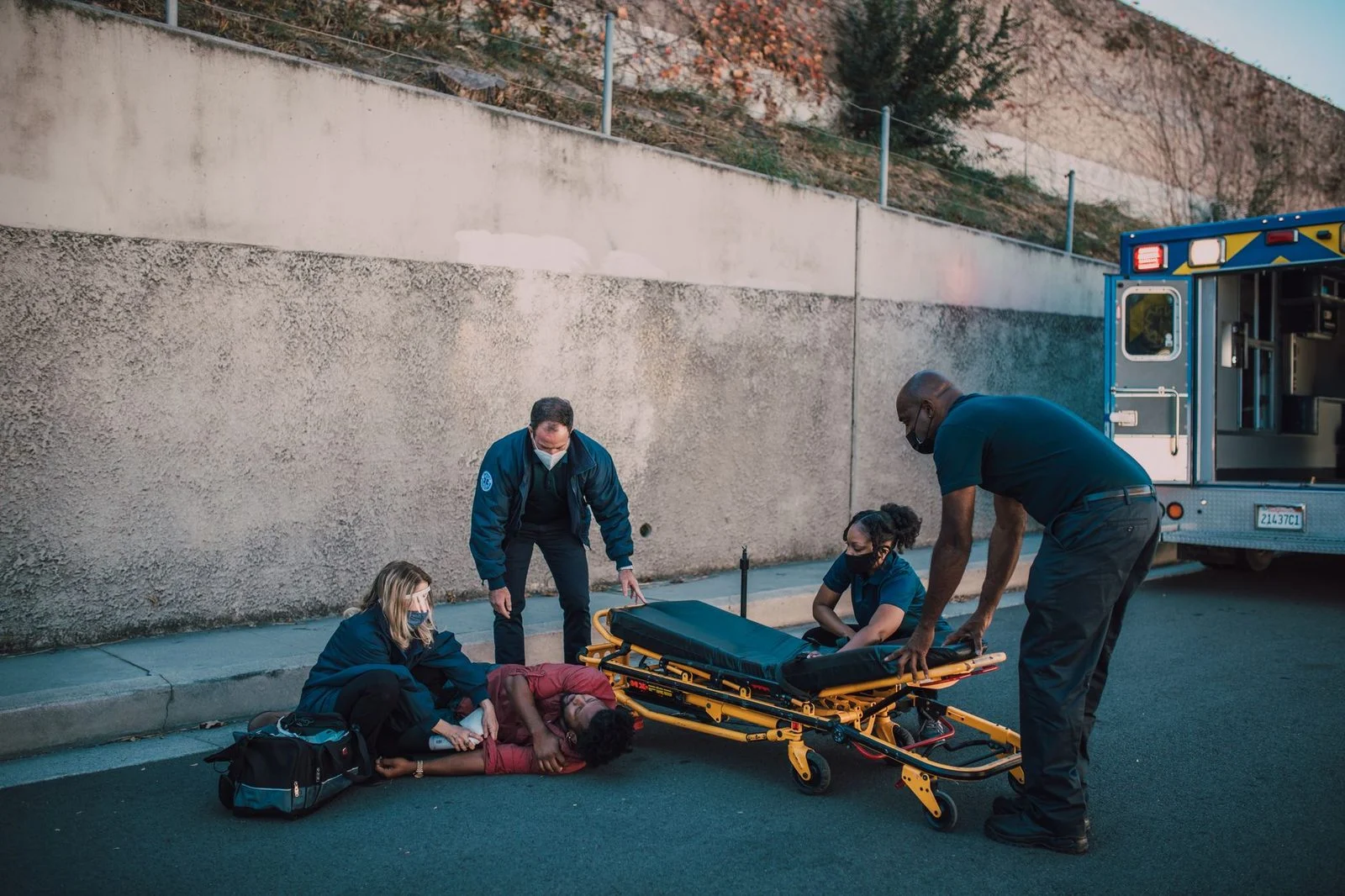
Soft Tissue Injuries After a Car Accident
Soft tissue injuries are usually proven through the medical exam, the symptoms a person reports, and the treatment records. Soft tissue means muscles, ligaments and tendons. Sprains, strains and whiplash-type neck injuries all fall in this group.
Muscles and ligaments are not bone, and an X-ray is built to show bone. That is why these injuries often need a different kind of proof.
Consider a hypothetical driver stopped in traffic on Interstate 81 near Winchester who is hit from behind. The driver feels neck pain the next morning, stiffness by evening, and headaches later that week. An X-ray may come back clear. The proof then rests on what the doctor finds on exam, what the driver reports consistently, and whether the treatment matches those reports.
Prompt medical evaluation after a crash helps link symptoms to the collision. An early visit puts the crash and the first symptoms in the same medical record.
A common mistake is telling the other driver or an insurer “I’m fine” before symptoms show up. Those early words can later be used to question the injury.
How Hard Is It to Prove a Back or Neck Injury?
Back and neck injuries can be hard to prove because imaging findings do not always match the pain a person feels. Discs, ligaments and facet joints in the spine can all be hurt in a crash. A scan is one tool, not the whole answer.
A peer-reviewed disc injury study of frontal impacts supports two general points. Acute disc injuries are rare in crashes of low-to-moderate severity. Isolated disc herniations, bulges or extrusions are hard to tie to a crash of that kind.
Many adults have age-related changes in the spine. A medical provider may need to explain which findings are new after the crash and which were there before. That question belongs to the medical providers who examine the person.
Documentation that usually matters includes consistent treatment, imaging ordered by the treating physician, and notes on functional limits such as lifting, sitting or driving. The medical history given at the first visit matters too.
Concussions and Mild Traumatic Brain Injury
A traumatic brain injury can range from mild to severe. Mild injuries are often the hardest to prove. Symptoms can include headache, dizziness, memory trouble, light sensitivity and mood changes.
These symptoms are real, but they are hard to see from the outside. A scan that looks normal does not settle the question by itself. Proof often rests on the clinical evaluation, neurological testing and the symptom history the provider records.
Symptom diaries help. A short daily note about headaches, sleep, concentration and missed activities can show change over time. Reports from family members who see the person every day add detail.
Work records can show how the injury affects daily work. Reduced hours or a supervisor’s note about lower performance are examples.
Severe injuries are often easier to document on imaging than mild ones. That difference is one reason mild brain injuries can be harder to prove.
Delayed Symptoms and Gaps in Treatment
Some symptoms appear hours or days after a crash. A gap in treatment can make them harder to link to the collision.
Adrenaline at the scene can mask pain. A driver may walk away, feel shaken and assume the soreness will fade. By the next day the neck is stiff and the back aches. Without a record of that timing, the link to the crash is harder to show.
A gap between the crash and the first medical visit invites questions from an insurer or a court. A reviewer will ask about it, so a clear, honest reason for the delay helps the record.
Report every symptom at the first medical visit, even minor ones. A short list is enough: where it hurts, when it started, and what makes it worse.
Missed appointments or stopped treatment can also be questioned. Whether to continue care is a medical decision. Discuss it with the treating physician.
Pain, Daily Life and Emotional Effects
Pain and changes to daily life are real harms after an injury. Proof of those effects is separate from the medical proof, and it comes from different sources.
A pain or activity journal can show the day-to-day picture. Note the pain level, what you could not do, and what simple tasks took. Keep it simple, and keep it going. A journal written as things happen reads more clearly than one written weeks later.
Statements from family, friends and coworkers add an outside view. People who saw the person before and after the crash can describe changes in sleep, mood, patience and activity. Records of missed work or canceled activities support the same point.
Emotional effects matter too. Anxiety, nightmares and sleep trouble after a serious crash can be part of the harm. These are documented through medical and counseling records when the person sees a provider for them.
Not sure what your next step is?
Talk it through with Correll Law Firm — we can walk you through how a situation like yours is usually handled and what your options are.
Evidence That Helps Prove a Hard-to-See Injury
The strongest proof usually combines medical records with evidence from the crash itself. No single item proves an injury on its own. The full record works together.
Medical records and imaging come first. Keep copies of every visit note, test result and prescription. Photos of bruising, injuries and damaged vehicles help show how the injury looked at the start.
Crash reports from law enforcement record basic facts about the collision. Witness names and statements can confirm how the crash happened. Dash camera or nearby surveillance video, when it exists, can settle questions about movement. Video can be erased over time, so early requests matter.
Keep receipts for medical visits, prescriptions, rides to appointments and time missed from work. These records show how far the injury reached into daily life.
Outside medical providers and other qualified professionals may be asked to explain the medical link between the crash and the injury. Their written explanation can become a key part of the record.
How Insurance Companies Review Hard-to-Prove Injury Claims
Insurers usually review medical records, the timing of treatment, the crash facts and prior medical history. These are the core items in a claim review.
Claims involving soft tissue, back or mild brain injuries often draw questions about causation. Causation asks whether the crash caused the harm. That is why consistent documentation matters.
A claim review is not a determination of what a claim is worth. No outcome can be predicted from the review process alone.
One practical habit helps. Write down each conversation with an adjuster, and keep copies of letters. Be accurate about symptoms, even on the days you feel better.
Deadlines That Affect Injury Claims in Virginia
Virginia generally allows two years from the date of injury to file a personal injury lawsuit (Va. Code § 8.01-243(A)); the clock runs from the date of injury, not the date of discovery, with narrow exceptions. Under Va. Code § 8.01-243, unless otherwise provided in that section or by other statute, every action for personal injuries, whatever the theory of recovery, shall be brought within two years after the cause of action accrues.
Some claims carry notice requirements that run out sooner. Check the timing for your situation early, because a missed early step can matter.
Virginia requires a driver involved in a crash with injury or death to stop and report it to police immediately (Va. Code §§ 46.2-371, 46.2-894). The two-year period is the deadline to file a lawsuit, not to report a crash. The reporting duties appear in Va. Code § 46.2-371 and Va. Code § 46.2-894.
The firm’s catastrophic injury page gives an overview of how serious Virginia injury cases proceed.
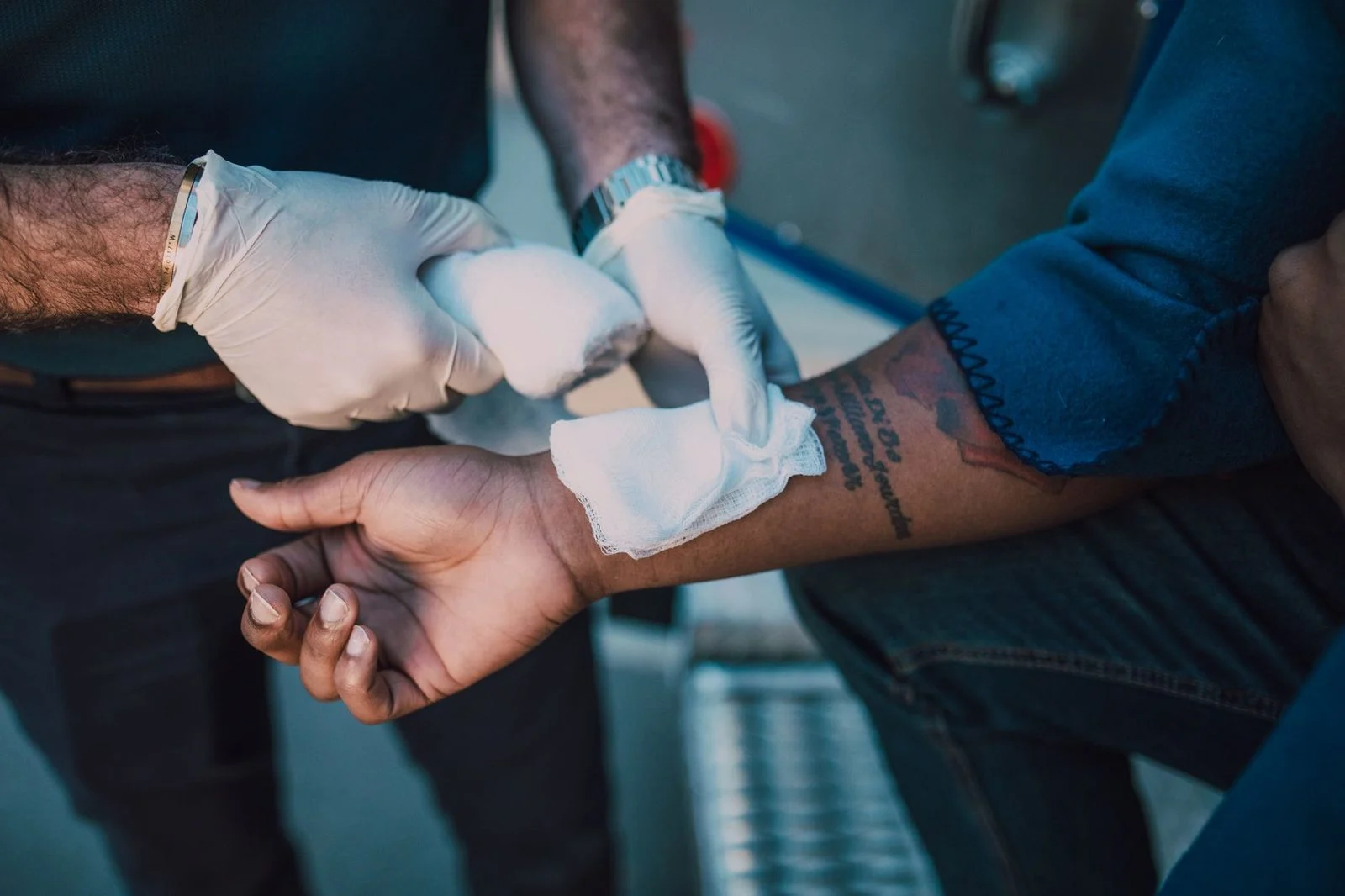
Frequently Asked Questions
What are examples of serious injuries?
Examples include traumatic brain injury, spinal cord injury, fractures, and injuries that need surgery or long-term care. Proof for these usually rests on imaging and medical records.
How hard is it to prove a back injury?
It depends on the facts. Imaging, consistent treatment and the treating physician’s explanation of the findings are central, and not every back injury shows on a scan.
What is a minor injury?
A minor injury generally means a limited injury with brief symptoms. Proof can still depend on medical records that document the symptoms and the link to the crash.