
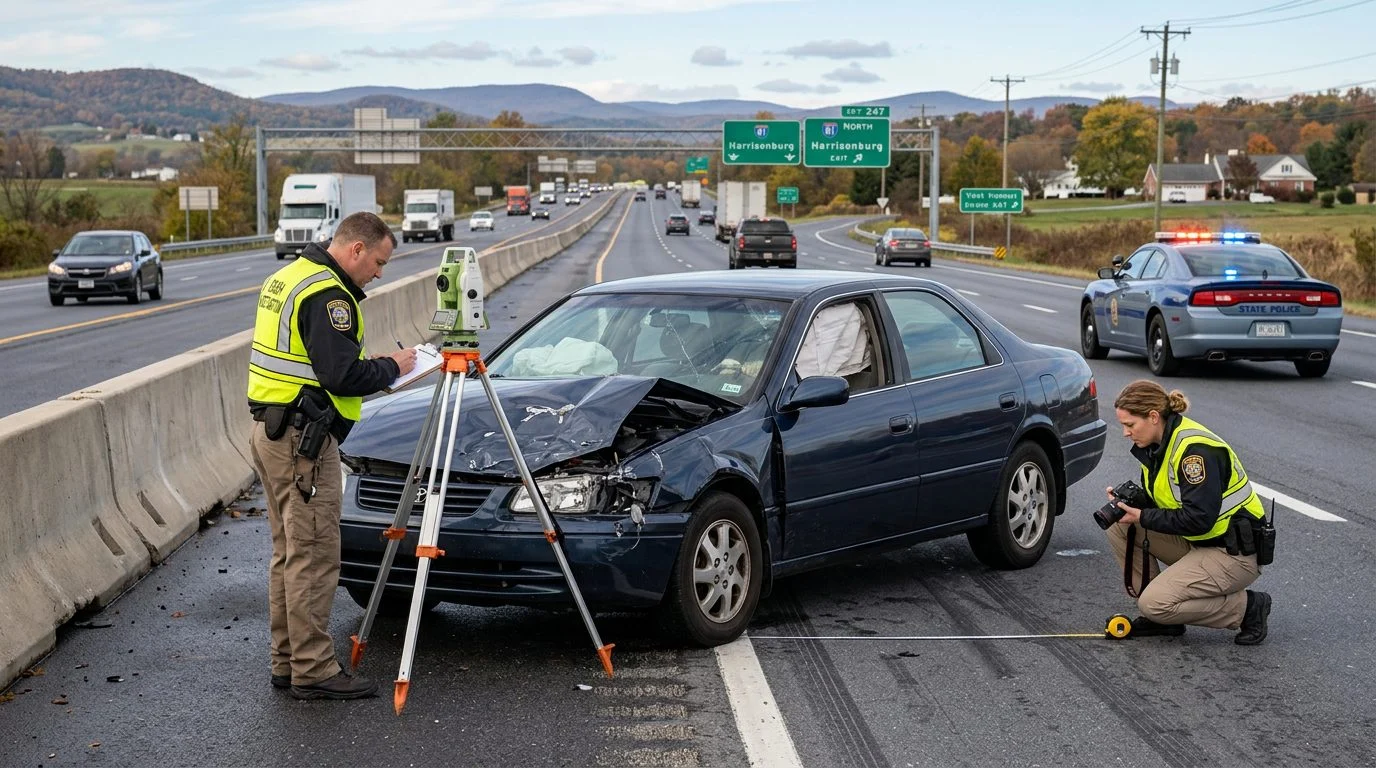
Catastrophic Injury · Virginia
Catastrophic Injury Litigation in Virginia: What Happens Step by Step
A plain-language guide for injured people and families in Winchester, Harrisonburg, Richmond and across the Shenandoah Valley.
Published November 13, 2026
After a serious injury, many people wonder what happens if their claim goes before a Virginia court. If you were badly hurt in a crash, your case usually starts with insurance talks, but a lawsuit may become necessary when a fair resolution can’t be reached.
What Makes an Injury Catastrophic and When a Case May Go to Court
A catastrophic injury is a severe injury that can change a person’s life for years or permanently. Traumatic brain injury and spinal cord injury are two common examples. Recovery from a brain injury often moves through several stages, from emergency care to longer rehabilitation, as described by the Model Systems Knowledge Translation Center.
Life after a catastrophic injury often includes long-term medical care, changes at work and help with daily tasks at home. Those effects are part of what a case must document, so they shape the claim from the start.
Passenger vehicle crashes, commercial truck crashes and crashes involving other commercial vehicles can all cause these injuries.
Most serious claims begin with negotiations with insurance companies. A lawsuit becomes an option when those talks do not lead to a fair resolution. An injury lawsuit is brought by the injured person. A wrongful death lawsuit follows a different path, covered below.
Not sure what your next step is?
Talk it through with Correll Law Firm — we can walk you through how a situation like yours is usually handled and what your options are.
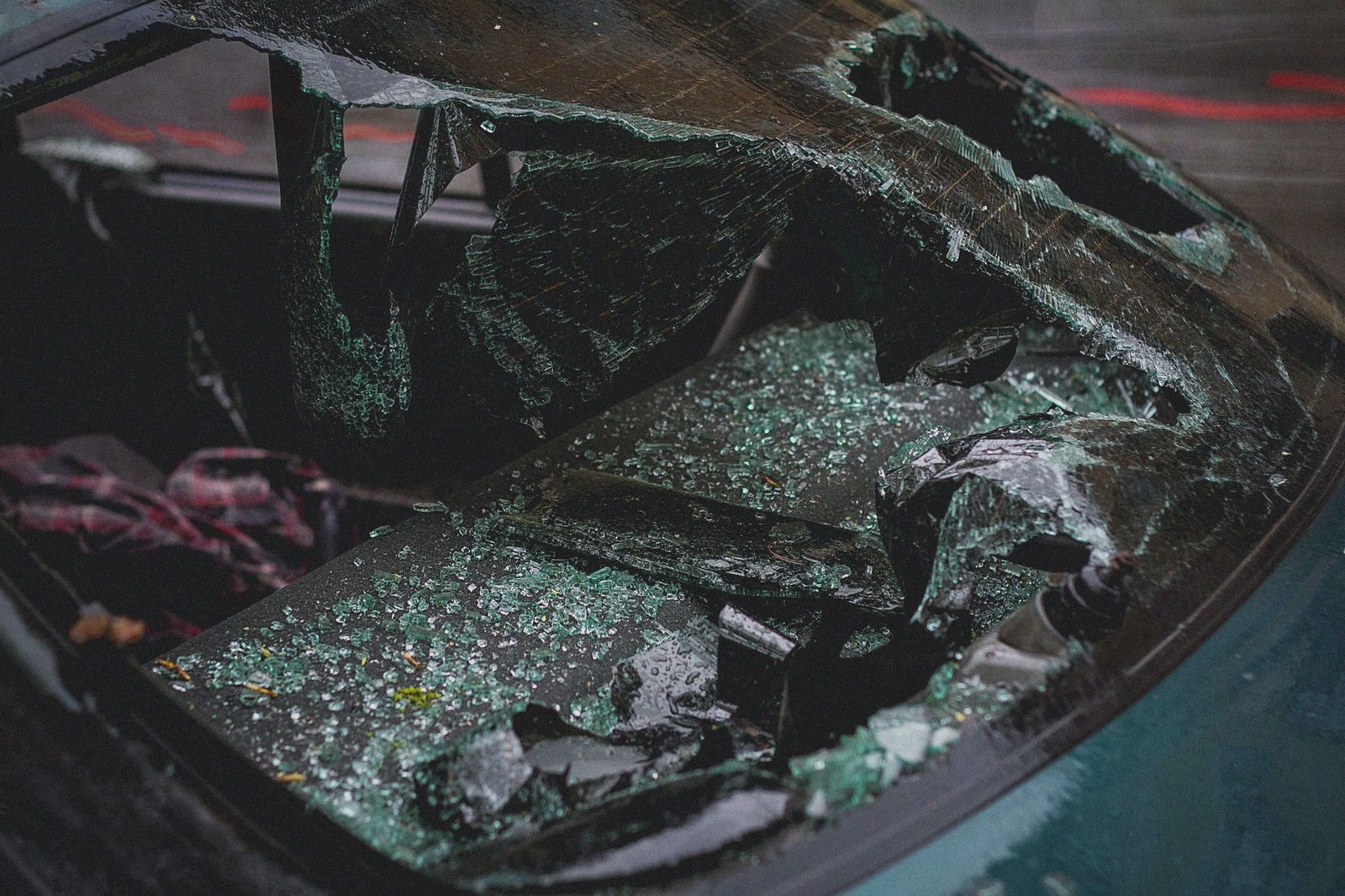
Filing Deadlines and Steps Before a Lawsuit Is Filed
Timing is the first thing to understand. Virginia generally allows two years from the date of injury to file a personal injury lawsuit (Va. Code § 8.01-243(A)); the clock runs from the date of injury, not the date of discovery, with narrow exceptions. The statute is set out at Va. Code § 8.01-243.
Some claims carry notice requirements that run out sooner than the lawsuit deadline. Those rules vary, so the timing of early steps matters.
Crash reporting is a separate duty. Virginia requires a driver involved in a crash with injury or death to stop and report it to police immediately (Va. Code §§ 46.2-371, 46.2-894). The two-year period is the deadline to file a lawsuit, not the deadline to report a crash. The reporting duty appears in Va. Code § 46.2-371.
Early evidence is often the hardest to replace. Useful items include the police crash report, photographs of the scene and vehicles, medical records from the first treatment on, names of witnesses, and any vehicle data. Written notes made soon after the crash also help, because memories fade.
Who Brings the Claim: Injured People and Families in Wrongful Death Cases
An injured adult generally brings a personal injury claim on their own behalf. When a crash causes a death, the case changes. A Virginia wrongful death action is filed by the decedent’s personal representative within two years of the death (Va. Code §§ 8.01-50(C), 8.01-244(B)), on behalf of the family members the statute protects.
The statute sets who qualifies, which generally includes a surviving spouse, children, and in some situations parents who regularly received support or services from the decedent. The distribution rules appear in Va. Code § 8.01-53.
Virginia wrongful death damages cover the family’s sorrow, mental anguish and loss of the decedent’s companionship, guidance and care; lost income and services; medical expenses from the injury; funeral expenses; and, for willful or wanton conduct, punitive damages (Va. Code § 8.01-52).
How a Virginia Catastrophic Injury Lawsuit Moves Forward
A Virginia lawsuit usually starts with an investigation and a written complaint filed with the court. The complaint is then formally delivered, called service, to each defendant. The defendant responds, often by denying parts of the claim or raising its own defenses.
Next comes discovery, the exchange of information between the sides. It can include written questions called interrogatories, requests for documents, and depositions, which are sworn out-of-court interviews of parties and witnesses. Discovery is often where the full picture of the injury and the crash takes shape.
Settlement talks can continue at any stage, including after discovery and right before trial. Many cases resolve this way. Others move forward on pretrial motions, which can narrow the issues or decide which evidence the jury may hear.
At trial, the jury is chosen, the sides make opening statements, present evidence and witnesses, and give closing arguments. The jury then returns a verdict. The timeline depends on how complex the injuries and facts are, so a case can take a long time.
Proving Fault, Medical Causation and Long-Term Harm
The injured person must show that the other party’s conduct caused the injury. Under Virginia law, a proximate cause is an act or omission that, in natural and continuous sequence, unbroken by an efficient intervening cause, produces the injury, and without which it would not have occurred (see Ford Motor Co. v. Boomer).
Medical records become central evidence. They run from the first treatment through rehabilitation and follow-up care. Some brain injuries do not show clearly on routine scans. For that reason, symptom journals and follow-up testing over time can matter as much as the first imaging.
Treating medical professionals often explain the diagnosis, treatment and future care needs. Crash reconstruction and vehicle data can help when fault is disputed.
Truck cases often involve extra records. Under federal rules, a motor carrier must keep records of duty status and supporting documents for not less than six months from the date of receipt (49 C.F.R. § 395.8). Those records can show driver hours and schedules around the time of a crash.
Records of lost work, changes in daily activities and household help also document the real impact of an injury.
Partial Fault, Punitive Damages and Other Trial Issues
Virginia follows contributory negligence: if you are found even partly at fault, you may be barred from recovering, with limited exceptions. Talk to a lawyer about your facts.
Punitive damages are a separate question. Virginia allows punitive damages for actual malice, or for willful or wanton conduct or recklessness showing a conscious disregard for the safety of others, capped at $350,000 (Va. Code § 8.01-38.1). The cap appears in Va. Code § 8.01-38.1. The jury must find that the conduct met this standard before any such award is made.
Defendants often raise their own defenses, such as disputing how the crash happened or how much harm was caused. The firm would respond with evidence on each point, including records and expert testimony from outside professionals where appropriate.
Not sure what your next step is?
Talk it through with Correll Law Firm — we can walk you through how a situation like yours is usually handled and what your options are.
What the Firm Brings to a Court-Level Catastrophic Injury Case
The firm focuses on catastrophic injuries, traumatic brain injury, spinal cord injury and wrongful death. It handles car accident, truck accident and commercial vehicle accident claims.
The firm’s offices are in Winchester and Harrisonburg. It represents people from the Shenandoah Valley to Richmond and Henrico County.
The firm’s support staff help organize medical records, crash documents and deadlines throughout a case. Organized records make it easier to meet each step of the process.
Whether to file suit, and how to proceed, depends on the facts of each case.

Frequently Asked Questions About Catastrophic Injury Lawsuits in Virginia
What does catastrophic injury mean?
A catastrophic injury is a severe injury, such as a traumatic brain injury or spinal cord injury, that can cause lasting changes. It often requires long-term medical care and changes in work and daily life.
Do catastrophic injury cases always go to trial?
No. Some cases resolve through negotiation, while others move through discovery and pretrial motions to a verdict.
How long do I have to file a lawsuit in Virginia?
The main deadline is the two-year rule covered above, counted from the date of injury (Va. Code § 8.01-243).
Can a family bring a case after a fatal crash?
Yes. The decedent’s personal representative files the wrongful death action, and family members share in any recovery.
Are truck crash cases different?
They can be. Motor carriers must keep driver duty-status records for at least six months, which can add useful evidence to a truck case.