
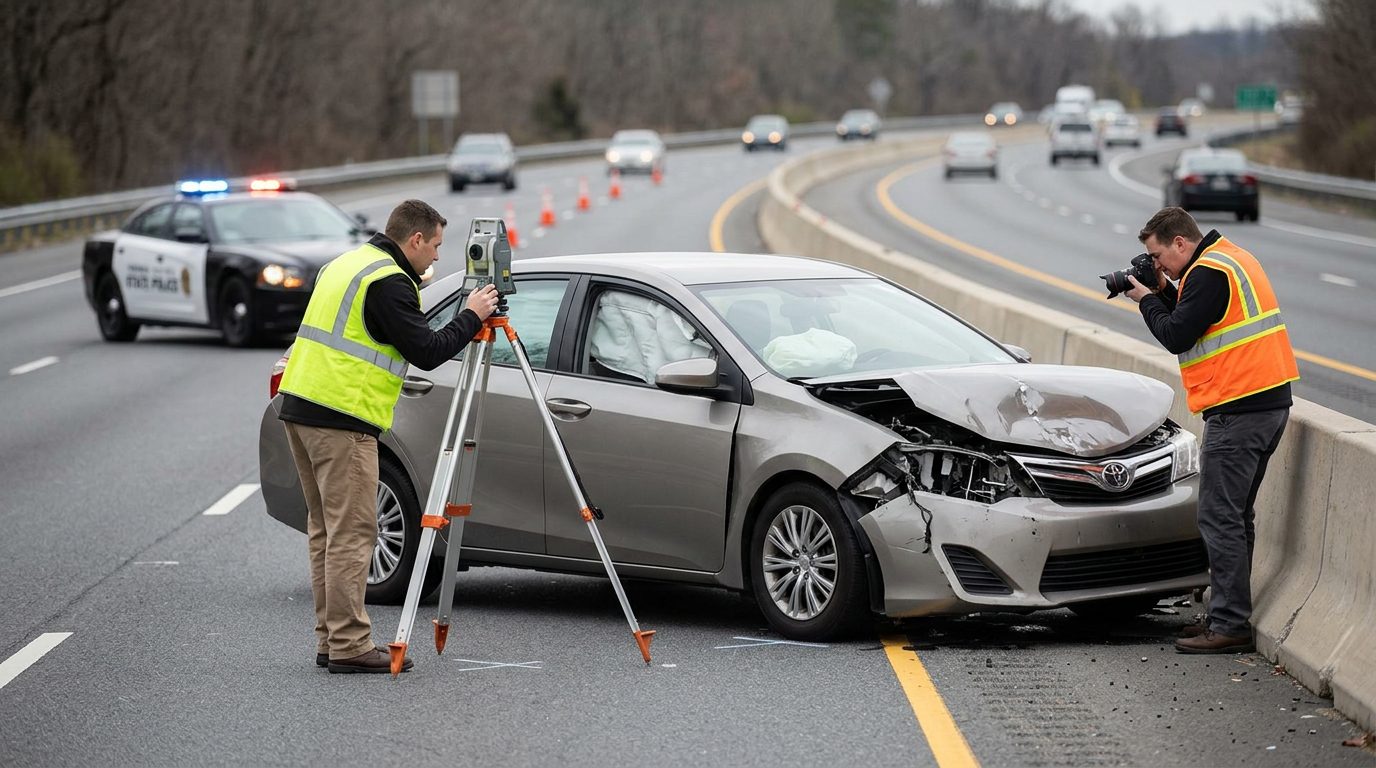
Catastrophic Injuries | Virginia
What Makes an Injury Catastrophic in Virginia?
Catastrophic injuries are serious harms with lasting effects on work, movement, thinking and daily care. Here is how the term is commonly understood, and why it matters after a serious crash.
Published October 22, 2026
A catastrophic injury is a severe injury with lasting or permanent effects. It changes how a person can work, move, think, care for themselves or live each day. This page explains the definition of catastrophic injury, the injuries usually placed in that group, and how lasting harm is shown in a Virginia claim.
What Is a Catastrophic Injury?
A catastrophic injury is serious harm that lasts, often for life. It changes what a person can do every day, not just how the injury looks at first.
Severity is judged by effect. Two people can break the same bone and recover very differently. One heals in a few months. The other can’t return to the same work or lift a child. That lasting effect is what the definition of catastrophic injury tries to capture.
A bruise-versus-break comparison doesn’t settle it either. A small fracture can be severe if it damages nerves. A deep bruise may heal fully.
The phrase is used in everyday speech, in medical talk and in injury claims. No single checklist settles every case. The diagnosis, the person’s work, their care needs and the time since the crash all shape the picture.
The firm handles people seriously hurt in car and commercial truck crashes, people with catastrophic brain and spinal cord injuries, and families in wrongful death cases. The firm has offices in Winchester and Harrisonburg. It serves people from the Shenandoah Valley to Richmond and Henrico County, and people across the northern Shenandoah Valley.
If a crash left you or someone you love with lasting injuries, you may have a claim, and the firm is glad to talk through what that could mean. Talk it through with Correll Law Firm — we can walk you through how a situation like yours is usually handled and what your options are.
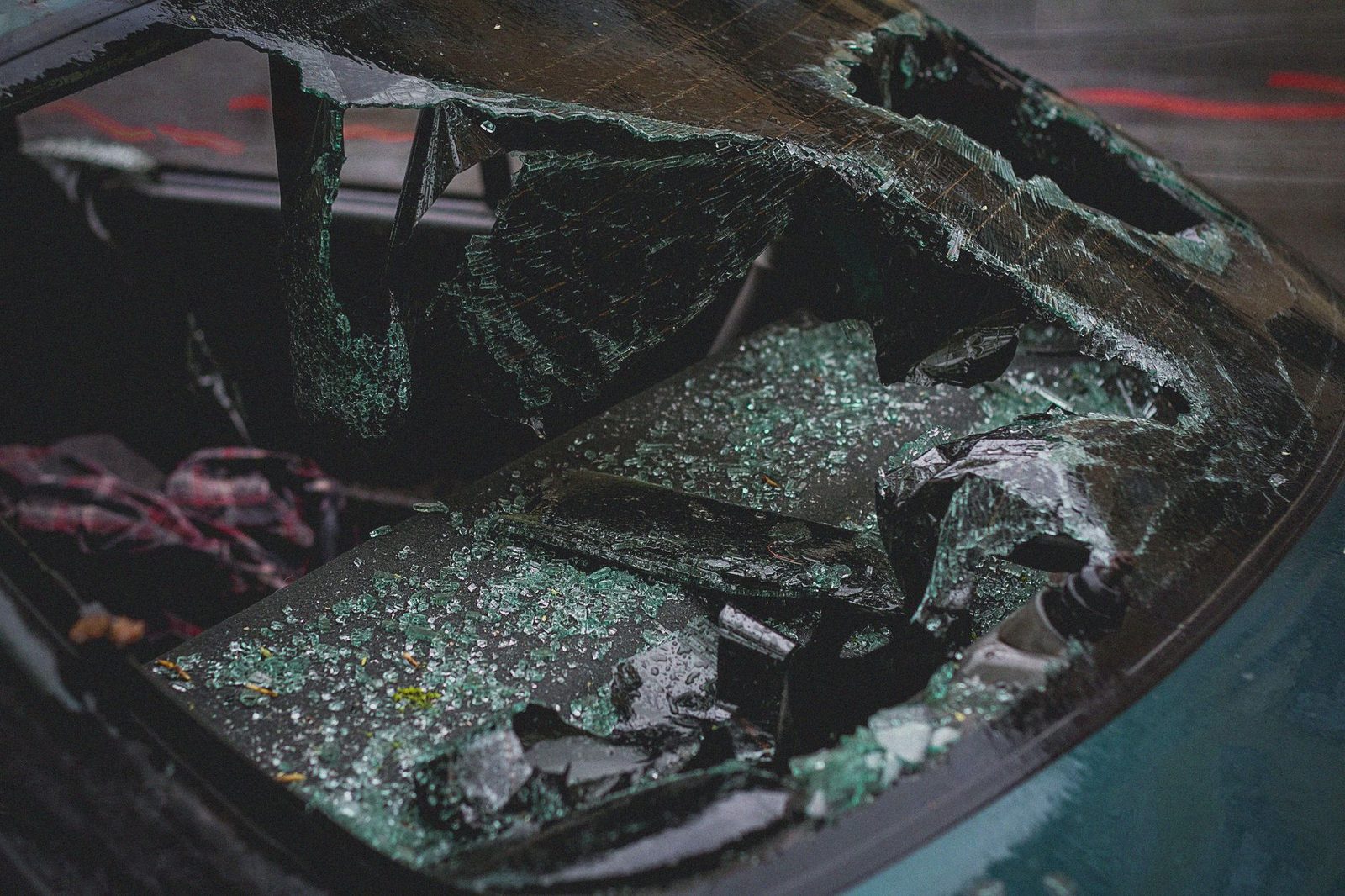
Injuries Commonly Treated as Catastrophic
Several injury types are placed in this group because their effects tend to last. The list below is a starting point, not a legal test. A doctor can explain how a particular injury may affect a particular person.
- Traumatic brain injury. Effects can include memory trouble, slower speech, balance problems, mood changes and less independence. Some brain injuries show on scans. Others are hard to see early. The Model Systems Knowledge Translation Center says people with traumatic brain injury may receive rehabilitation across emergency, acute and post-acute stages.
- Spinal cord injury. A spinal cord injury can cause paralysis, loss of feeling, and loss of bowel, bladder or sexual function. A complete injury means no movement or feeling below the injury. An incomplete injury leaves some function. For more on one type, see spinal cord injuries.
- Limb loss. Losing an arm, leg or digit affects balance, mobility and the kinds of work a person can do.
- Severe burns and permanent scarring. Deep scars and disfigurement can limit movement and bring ongoing care needs.
- Loss of a bodily function. Loss of sight, hearing or use of a limb can change every part of daily life.
- Internal injuries. Damage to organs or internal structures can cause permanent disability. These injuries are often less visible at the scene, so early symptoms may seem minor.
The firm’s offerings include catastrophic injuries, traumatic brain injury and spinal cord injury.
Why Permanence Matters
Permanence is the central question in most discussions of this term. The next question is how much the harm limits the person’s life.
Lasting harm is shown over time. Useful records include treating doctor notes, repeated imaging, functional testing and records of ongoing therapy or medication. A written log of daily limits can also show what the person can no longer do.
The picture often becomes clearer months after a crash. An early label can change as healing shows what improves and what stays. A lasting back injury is one common example. How a person functions at a few weeks can look very different from how they function at six months.
Catastrophic Injury Versus Serious Injury and Illness
An injury comes from an outside event, such as a crash. An illness usually develops from disease or internal processes. This page covers injuries from crashes and other accidents.
“Serious injury” is a broad, everyday term. “Catastrophic” describes the most severe lasting effects within that group. Two injuries can both be serious, but only one may bring long-term loss of function.
The label matters because it describes the level of harm and the long-term needs that must be documented. It describes an injury. It does not predict any result.
How Catastrophic Injuries Happen in Car and Truck Crashes
Catastrophic injuries often come from high-force crashes. The body moves fast and stops hard against a seat belt, a window, a steering column or the road.
Common patterns include high-speed impacts, rollovers, side impacts and crashes involving large vehicles. Speed, seat belt use and the point of impact all shape how the body moves. The same crash can injure two people in the same vehicle in very different ways.
Pedestrians and motorcyclists have less protection from a vehicle. Impacts with them can cause severe harm.
Commercial trucks are heavier, and their cargo can shift.
The firm also represents people from Richmond and Henrico County.
Proving a Catastrophic Injury and Early Timeline
Proof of a catastrophic injury is built from records that show lasting effects over time. Keeping copies of every record helps.
Helpful records include:
- Emergency and hospital records, and imaging
- Treating doctor notes on permanence and future care
- Rehabilitation and therapy records
- Wage records showing missed work or lost duties
- A written journal of daily limits
Some cases also use outside medical reviewers who study the records. Their role is to read the medical file, not to treat the patient.
Virginia requires a driver involved in a crash with injury or death to stop and report it to police immediately (Va. Code §§ 46.2-371, 46.2-894). The Virginia DMV covers crash and injury reporting and crash-report records. The two-year period is the deadline to file a lawsuit, not to report a crash.
Virginia generally allows two years from the date of injury to file a personal injury lawsuit (Va. Code § 8.01-243(A)); the clock runs from the date of injury, not the date of discovery, with narrow exceptions.
A Virginia wrongful death action is filed by the decedent’s personal representative within two years of the death (Va. Code §§ 8.01-50(C), 8.01-244(B)), on behalf of the family members the statute protects.
Not sure what your next step is?
Talk it through with Correll Law Firm — we can walk you through how a situation like yours is usually handled and what your options are.

Frequently Asked Questions About Catastrophic Injury
What is the meaning of severely injured?
Being severely injured means suffering serious harm that often lasts. The definition of catastrophic injury focuses on lasting effects on work, movement, thinking and daily care.
Is a broken bone a catastrophic injury?
Not automatically. A fracture becomes part of this category only when lasting effects limit daily life.
Is catastrophic injury the same as catastrophic illness?
No. This term covers injuries from outside events, like crashes. Illnesses usually develop from disease or internal processes.
What is classed as a serious injury claim?
Serious injury is a general term. The category depends on the facts and the type of injury.
Can a catastrophic injury be permanent?
Yes, some are. Many catastrophic injuries are permanent or long-lasting, which is why medical records matter.
Does a catastrophic injury always mean a lawsuit?
Can a catastrophic injury change over time?
Yes. Prognosis and treatment can change, so keep records as the picture develops.