
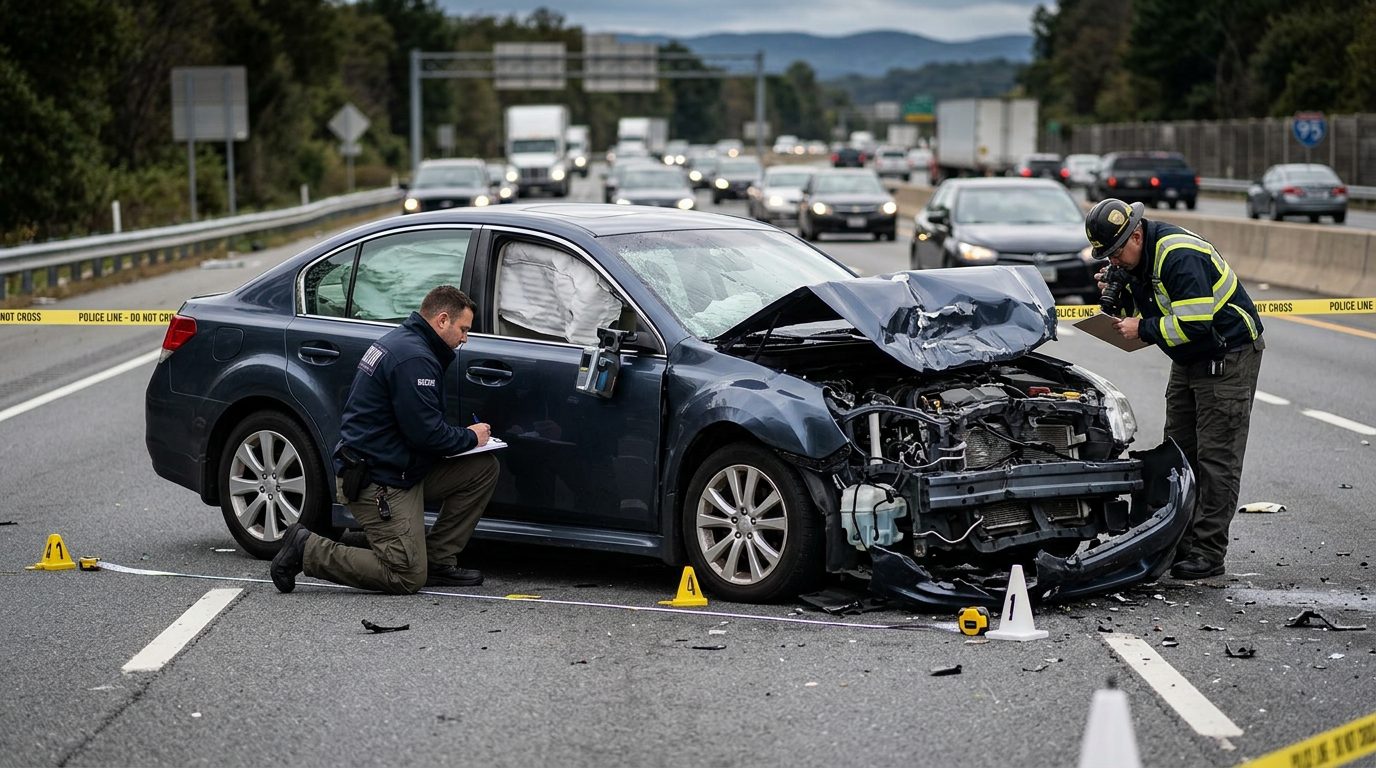
Catastrophic Injury Law
When a Serious Injury Changes Everything
Correll Law Firm represents people across Virginia who have suffered catastrophic injuries in car and truck accidents. We understand the medical, financial, and personal weight of what comes next.
Published October 01, 2026
Catastrophic Injury Lawyer in Virginia
These injuries—such as traumatic brain injury, spinal cord damage, severe burns, or amputation—are not minor setbacks; they reshape everything: medical care, finances, relationships, and identity. If you or someone you love has suffered a catastrophic injury in a car or truck accident in Virginia, it may be worth discussing your situation with a lawyer who understands not just the legal framework but the full human and financial weight of what you’re facing.
Correll Law Firm represents people across Virginia—from Winchester and the Shenandoah Valley to Richmond and Henrico County—who have been seriously hurt in car crashes, commercial truck accidents, and other incidents that caused catastrophic injury or wrongful death. This guide explains what catastrophic injuries are and how the firm approaches them.

Not sure what your next step is?
It may be worth discussing your situation with a lawyer, since the facts of each case differ.
What Is a Catastrophic Injury?
On this page, the term ‘catastrophic injury’ refers to serious injuries that may cause lasting disability, disfigurement, or loss of bodily function.
Catastrophic injuries differ fundamentally from moderate or minor injuries. A broken arm and a spinal cord injury can have very different effects on a person’s work and daily life. These cases can differ because the stakes for the injured person and their family may be higher.
Why does the term matter legally? Because the severity and permanence of an injury can affect the damages claimed, the evidence needed to prove them, and how the claim is negotiated.
Common Types of Catastrophic Injuries
Traumatic Brain Injury (TBI)
The effects of a brain injury can vary from person to person.
Spinal Cord Injury
Spinal cord injury happens when trauma damages the nerve fibers that carry signals between the brain and the rest of the body.
Severe Burns
Major burns can affect a person’s appearance and physical health, and recovery may involve medical treatment.
Amputation or Permanent Loss of Limb Function
Loss of a limb or permanent loss of use of an arm or leg can affect a person’s independence and daily activities.
Multiple Fractures or Crush Injuries
Severe crush injuries and multiple fractures affect each person differently, so their long-term effects are best discussed with a treating physician.
Internal Organ Damage
Damage to internal organs can be serious and may require medical treatment.
For detailed information on specific injury types, see our pages on traumatic brain injury and spinal cord injury.
How Catastrophic Injuries Happen: Common Causes
Car Accidents
Crashes differ in speed, in the number of vehicles involved, and in how vehicles move, and these differences may affect the forces involved.
Commercial Truck Accidents
Commercial trucks are large, heavy vehicles, and their size and weight are relevant to the accidents discussed below. Jackknife accidents, underride collisions (where a smaller vehicle slides under a truck), and rollover scenarios are crash types that may be relevant when a lawyer reviews a truck accident.
Commercial Vehicle Incidents
Equipment failures, negligent operation, and inadequate maintenance of commercial vehicles can cause catastrophic injury. An investigation may look at the driver, the company, the maintenance contractor, and equipment manufacturers.
For more information, see our pages on car accidents and commercial truck accidents.
What Makes Catastrophic Injury Cases Complex
Catastrophic injury cases are fundamentally different from routine injury claims. Several factors can make these cases more involved:
Complexity. Catastrophic cases often involve multiple defendants—the driver, the trucking company, a maintenance contractor, an equipment manufacturer. Liability may be shared or disputed. Insurance coverage may be layered. Unraveling this web requires investigation, expert analysis, and strategic thinking.
Damages calculation. Proving the full scope of a catastrophic injury requires coordination with medical experts, life care planners, vocational specialists, and economists.
Insurance company resistance. Insurance companies evaluate claims and may take positions on the value and severity of an injury. They dispute the severity of injury or the need for certain treatments. It may be worth discussing a claim with a lawyer when an insurer disputes the severity of an injury or the need for certain treatments.
Medical and vocational experience. Proving that an injury prevents return to work, requires ongoing treatment, or necessitates home modifications demands expert testimony. Life care planners project future medical needs and costs. Vocational experts testify about the injured person’s ability to work.
Statute of limitations and procedural rules. Virginia has specific deadlines for filing injury lawsuits and specific procedural requirements. A lawyer can review the deadlines and procedural requirements that apply to a specific claim.
How the Term Catastrophic Injury Is Used
Examples include permanent paralysis from spinal cord injury, severe traumatic brain injury with lasting cognitive or physical deficits, loss of sight or hearing, severe burns, and amputation. The term matters because catastrophic injuries often involve long-term losses that the claim must fully document.
Have questions about what happened?
Ask our team directly. The first conversation is free, confidential, and there is no obligation to continue.
The Four Elements of Negligence in Virginia
A claim for a catastrophic injury caused by someone else’s negligence usually turns on questions like these:
1. Duty. The defendant owed a legal duty of care to you. Drivers owe a duty to operate vehicles safely. Trucking companies owe a duty to maintain their vehicles and hire competent drivers. Property owners owe a duty to keep their premises safe.
2. Breach. The defendant failed to meet that duty through action or inaction. Speeding is a breach. Distracted driving is a breach. Improper truck maintenance is a breach. Failing to warn of a hazard is a breach.
3. Causation. The breach directly caused your injury. But for the defendant’s negligence, you would not have been injured. This is often called “but-for” causation: but for the defendant’s action or inaction, the injury would not have occurred.
4. Damages. You suffered measurable harm—physical injury, medical expenses, lost income, pain and suffering, or loss of enjoyment of life. Without damages, there is no claim, even if the other three elements are proven.
All four elements must be proven to establish negligence in Virginia. In catastrophic injury cases, breach and causation are often clear—the defendant’s conduct was clearly negligent and clearly caused the injury. The challenge is proving the full scope of damages over a lifetime. This is where expert testimony and detailed analysis become essential.
Damages in Catastrophic Injury Cases
Catastrophic injury cases involve two categories of damages:
Economic damages are measurable financial losses: past and future medical expenses, rehabilitation, assistive devices, home modifications, lost wages, and lost earning capacity. If you were earning $80,000 a year and your injury prevents you from working, you may recover the lost income over your remaining working years—potentially hundreds of thousands of dollars.
Non-economic damages are harder to quantify but no less real: pain and suffering, loss of enjoyment of life, and emotional distress. In catastrophic cases, these damages often exceed economic damages because the injury is permanent and pervasive.
The amount of damages depends on the severity and permanence of the injury, the age and earning history of the injured person, the quality of medical evidence, and the strength of the liability proof. A 35-year-old professional with 30 years of earning potential who suffers permanent disability will recover more in lost earning capacity than a 65-year-old near retirement. A person with clear, well-documented medical evidence of catastrophic injury will recover more than someone with disputed or unclear injuries.
Can I Sue for Emotional Distress in Virginia?
Emotional distress claims are possible in Virginia but are typically secondary to physical injury claims. In catastrophic injury cases, emotional distress—anxiety, depression, PTSD, loss of enjoyment of life—is often a natural and foreseeable consequence of the physical injury itself and is recoverable as part of non-economic damages.
Standalone emotional distress claims (without accompanying physical injury) are narrowly recognized in Virginia and require specific circumstances. But in catastrophic cases, the focus is on the physical injury and its cascading emotional and psychological effects. These effects are compensable because they flow directly from the injury and are a core part of the harm the injured person has suffered.
Catastrophic Injuries Across Virginia: Winchester, Front Royal, Harrisonburg, Richmond, and Henrico County
Correll Law Firm serves people across Virginia. Our offices are in Winchester and Harrisonburg, and we represent clients throughout the Shenandoah Valley, Richmond, Henrico County, and beyond.
Whether your accident happened on Interstate 81 in the Shenandoah Valley, on a Richmond city street, or on a rural road in Henrico County, we can investigate what happened and pursue your claim.
What to Do After a Serious Car or Truck Accident
If you or a loved one has been in a serious car or truck accident, take these steps:
Seek emergency medical care immediately. Even if you feel okay, get checked by a doctor. Some serious injuries, like internal bleeding or brain injury, may not show symptoms right away. Medical records are crucial evidence.
Call the police. A police report creates an official record of the accident and often includes the other driver’s statement and citation information.
Document the scene. Take photographs of vehicle damage, road conditions, traffic signals, and any visible injuries. Get contact information from witnesses.
Preserve evidence. Keep all medical records, accident reports, photographs, and communications with insurers. Do not discard anything.
Do not settle or sign documents without legal counsel. Insurance companies often pressure injured people to settle quickly for far less than the claim is worth. Once you sign a release, you cannot recover more, even if your injuries prove more serious than initially apparent.
Contact a catastrophic injury lawyer promptly. Early investigation and expert involvement strengthen your case. The sooner we begin, the better we can preserve evidence and build a strong claim.
How Correll Law Firm Approaches Catastrophic Injury Cases
Our approach is built on thorough investigation, expert coordination, and aggressive advocacy:
Thorough investigation. We investigate liability from the ground up. We obtain accident reports, interview witnesses, analyze vehicle data, and identify all responsible parties. In truck cases, we investigate maintenance records, driver qualifications, and company safety practices.
Expert coordination. We work with medical experts to document the full scope of injury. We coordinate with life care planners to project lifetime medical needs and costs. We engage vocational specialists to testify about work capacity. We hire economists to calculate lost earning capacity. Each expert strengthens your damages claim.
Aggressive negotiation. We push back against insurance company tactics. We demand fair value based on the strength of liability and the scope of damages. We are not afraid to walk away from inadequate offers.
Trial readiness. We prepare cases with the possibility of trial in mind, so your claim is ready if it does not settle.
Client focus. We keep the injured person and their family’s needs at the center of every decision. We explain our strategy, answer your questions, and listen to your concerns. You are not a case number; you are a person we are fighting for.
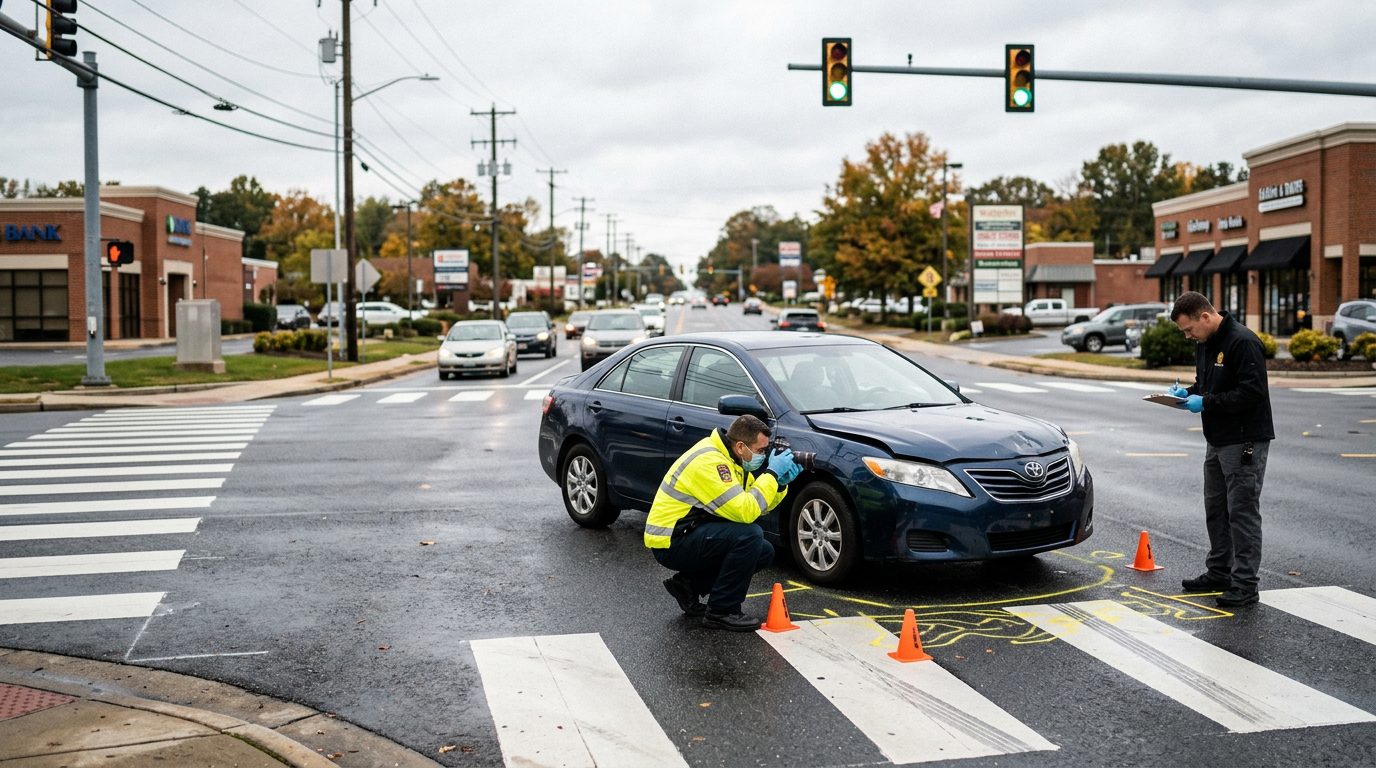
Want to know where you stand?
Tell us what happened and our team will walk you through the options available to you, at no cost.
Next Steps: Schedule Your Free Case Evaluation
If a serious car or truck accident has left you or a loved one with a life-altering injury—an injury that has changed your ability to work, move, or live independently—you need a lawyer who understands the full scope of what you are facing and who will fight for the compensation you deserve. We are here to listen, answer your questions, and explain your options without pressure or obligation.
Contact us today to schedule a free case evaluation. We serve Winchester, Front Royal, Harrisonburg, Richmond, Henrico County, and throughout the Shenandoah Valley. We are ready to help.
Why Correll Law Firm
Focused on catastrophic cases
We handle traumatic brain injury, spinal cord injury, and other life-altering injuries. We focus on cases involving serious, life-altering injuries that demand sustained attention.
We listen to your story
Catastrophic injury reshapes your life. We take time to understand not just the accident, but how the injury has affected you, your family, and your future.
Thorough case investigation
We work with medical professionals, accident reconstructionists, and other experts to build a complete picture of what happened and what it means for your recovery and care.
Local presence across Virginia
With offices in Winchester and Harrisonburg, we serve the Shenandoah Valley, Richmond, Henrico County, and beyond. We're here when you need us.
What We Handle
Car and truck accidents
Serious collisions that result in permanent injury demand careful investigation and skilled advocacy. We pursue claims against at-fault drivers and their insurers.
Commercial vehicle accidents
Accidents involving commercial trucks, delivery vehicles, and fleet operators often involve complex liability and insurance. We know how to navigate these cases.
Traumatic brain injury
TBI can affect cognition, behavior, physical function, and independence. We work with medical professionals to document the full scope of injury and lifetime care needs.
Spinal cord injury
Spinal cord damage often means permanent paralysis or loss of function. We pursue compensation that reflects the cost of medical care, equipment, and lifelong support.
Time matters
Virginia law sets deadlines for filing injury claims. The sooner you speak with a lawyer, the sooner we can preserve evidence, interview witnesses, and begin building your case.
What to expect when you contact us
Free initial case evaluation
We listen to what happened and answer your questions about the legal process, no cost and no obligation.
Honest assessment
We explain what your case may involve, what we'll need to investigate, and what the path forward could look like.
No upfront fees
No attorney’s fee unless we win. Clients may remain responsible for costs accrued in the case.
Dedicated representation
If we take your case, you have a team focused on your recovery and your claim—from investigation through settlement or trial.
Ready to talk?
Related practice areas
- Car Accidents in Richmond, VA: What to Do & Your Rights