
Truck Accidents | Richmond and Henrico County
Hit by a Delivery Truck as a Cyclist? Here Is What to Do Next
A collision with a large vehicle can leave a rider with injuries that take time to understand. Clear, practical steps can help protect your health and your record of what happened.
Published November 25, 2026
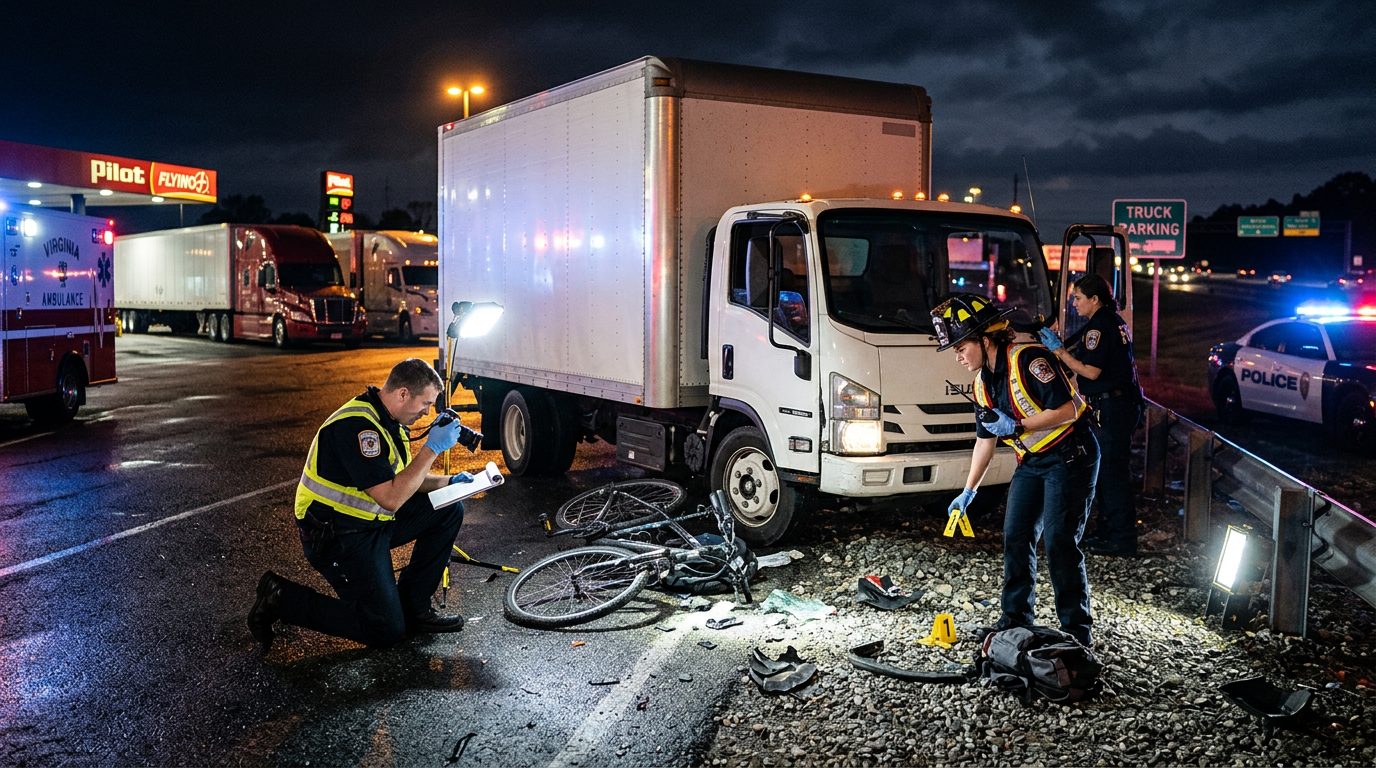
If a bicyclist is hit by a delivery truck in Richmond, the first steps are medical care, a police report and written details about the truck. Those steps protect your health and help explain what happened later.
A cyclist has little protection in a crash with a truck, so injuries can be serious. This guide covers what to do next, what to record, and how Virginia time limits and fault rules can affect a claim. It also explains where the firm works from, so Richmond and Henrico County readers know what to expect.
Get Medical Care First, Even If You Feel Okay
Get checked by a medical provider as soon as possible, even if you feel fine. Shock and adrenaline can make pain hard to notice right after a crash.
Watch for headaches, numbness, weakness, dizziness, confusion or trouble with balance. Report any of these to a provider right away. Tell the provider about every symptom, even small ones, and say when each one started.
Keep every record from the crash. That includes ambulance reports, emergency room notes, discharge papers and follow-up visit notes. These documents describe your injuries and link them to the crash, so keep copies together in one folder.
If your injuries are serious, the firm’s pages on traumatic brain injury, spinal cord injury and catastrophic injuries describe those cases in more detail. The firm’s commercial vehicle crash guide covers the wider process.
If a delivery truck struck you or someone you love on a bicycle, the firm is willing to talk through what happened and whether you may have a claim. Talk it through with Correll Law Firm — we can walk you through how a situation like yours is usually handled and what your options are.

Report the Crash to Police Immediately
Virginia requires a driver involved in a crash with injury or death to stop and report it to police immediately (Va. Code §§ 46.2-371, 46.2-894). The driver’s duty to give notice appears in Va. Code § 46.2-371, which requires immediate notice to a law-enforcement officer.
Your own report matters too. Ask the responding officer to record the crash location, the time, the truck’s company name, the driver’s statements and the names of any witnesses. Ask for the report number before you leave, if you can.
The report gives your claim an early, official record of the scene. Keep in mind that the two-year period discussed below is the deadline to file a lawsuit (Va. Code § 8.01-243). It is not the deadline to report a crash.
Record the Delivery Company and Truck Identifiers
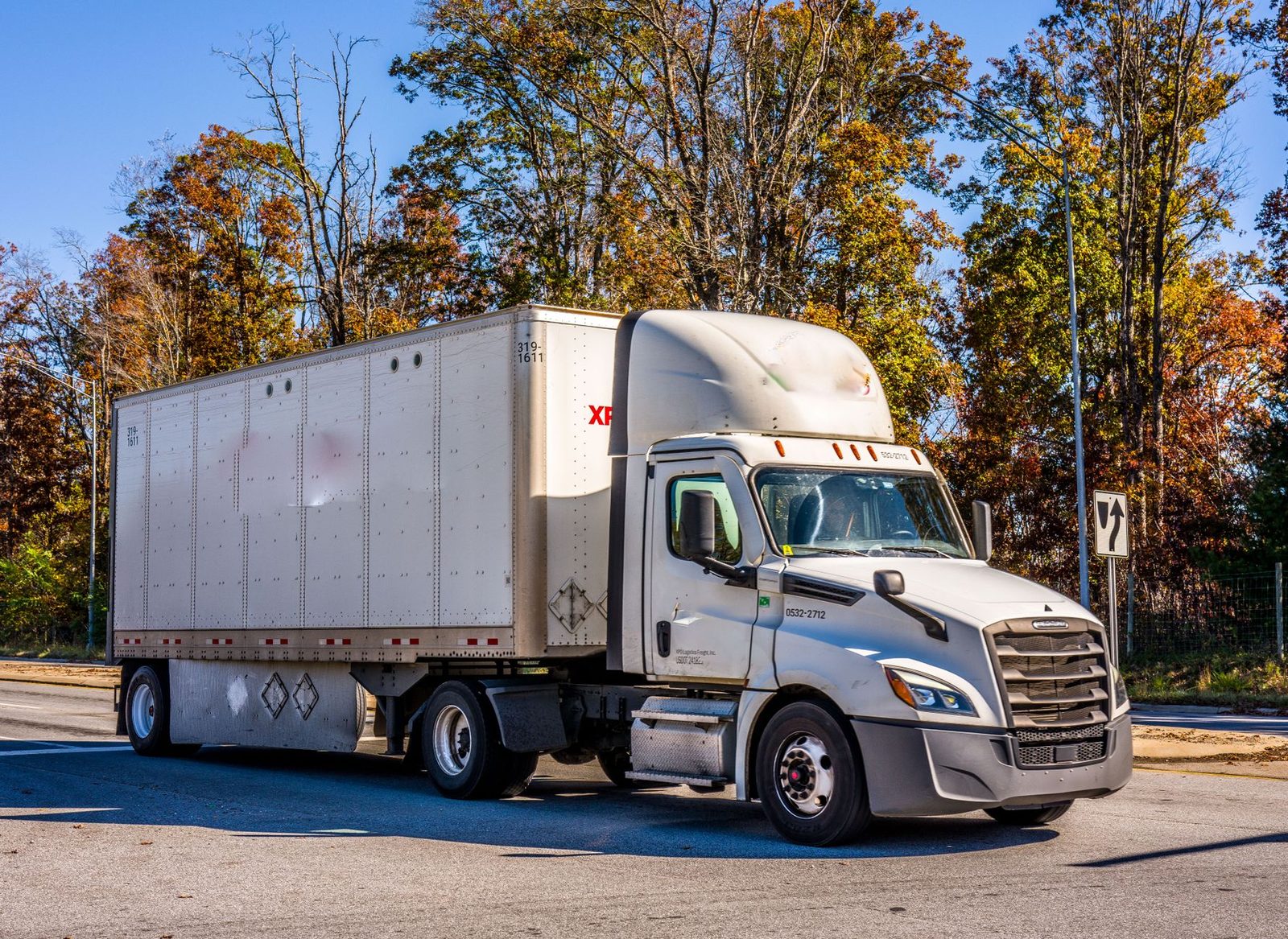
Write down the company name, any USDOT number, the license plate and the truck’s unit number before the truck leaves. These details help identify the company behind the truck.
Delivery trucks often carry a company name, a logo or a contractor name. Write down every name you see, exactly as it appears, including small print on doors or bumpers.
Federal rules require certain commercial motor vehicles to carry a marking that starts with the letters “USDOT,” followed by an identification number issued by FMCSA (49 C.F.R. § 390.21T). The Virginia DMV’s USDOT page explains which carriers need a USDOT number.
Take photos of the truck from several angles, including the rear, the cab and any cargo area, if it is safe to do so. Note the driver’s name and any visible badge or employee number. Give that information to police.
Document the Scene, Your Bicycle and Your Injuries
Photograph the scene, your bicycle and your injuries as soon as it is safe. Photos capture details that fade from memory, such as lighting and where debris came to rest.
Take pictures of the road, the intersection, traffic signals, signs, skid marks and any debris. Note the weather and the light, including whether it was dusk or dark when the crash happened.
Photograph your bicycle and gear too. A damaged helmet, wheel or frame can show how the impact happened. Keep damaged items if you can, rather than repairing them right away.
Collect names and contact details from witnesses. Ask whether anyone saw the truck before the crash. Witnesses can describe lane position, signals and speed, and their memories fade with time.
Start a daily journal of pain, missed work and activities you can no longer do. A journal shows how the injury affects everyday life over time.
If the Driver Leaves the Scene
If the driver leaves, report the crash to police right away and give them every detail you can recall. Describe the direction the truck was traveling, any part of the license plate, the truck’s color and any logo or company name you saw.
Note the time and the road name while they are fresh. Give your notes to the officer so they are part of the official report.
Leaving the scene is a serious offense. Under Va. Code § 46.2-894, a driver who violates the stop-and-report duties can be guilty of a Class 5 felony when the crash causes injury. The same statute requires the driver to render reasonable assistance to an injured person.
Ask nearby businesses whether they have security cameras, and report that request to police. Footage is often overwritten, so ask soon.
How Richmond and Henrico County Readers Are Served
Correll Law Firm serves people hurt in Richmond and Henrico County crashes from its Winchester and Harrisonburg offices. The firm does not have an office in Richmond or Henrico County.
The firm handles car accidents, truck accidents, commercial vehicle accidents, catastrophic injuries, traumatic brain injury, spinal cord injury and wrongful death cases. Its Richmond and Henrico County pages describe that work for readers in those areas.
Crashes in the Richmond area can involve city streets, busy corridors and interstates such as I-95. The place of a crash can affect which records and reports matter most, so bring every detail you have.
Not sure what your next step is?
Talk it through with Correll Law Firm — we can walk you through how a situation like yours is usually handled and what your options are.
Time Limits and How Fault Can Affect a Claim
Virginia generally allows two years from the date of injury to file a personal injury lawsuit (Va. Code § 8.01-243(A)); the clock runs from the date of injury, not the date of discovery, with narrow exceptions. The statute’s text is at Va. Code § 8.01-243.
Some claims carry notice requirements that run out sooner.
Virginia follows contributory negligence: if you are found even partly at fault, you may be barred from recovering, with limited exceptions. Talk to a lawyer about your facts.
Fault is often decided on the facts.
When a Cyclist Dies From a Truck Crash
A Virginia wrongful death action is filed by the decedent’s personal representative within two years of the death (Va. Code §§ 8.01-50(C), 8.01-244(B)), on behalf of the family members the statute protects. The deadline rule for this action is in Va. Code § 8.01-244.
Family members do not file the case themselves.
Virginia wrongful death damages cover the family’s sorrow, mental anguish and loss of the decedent’s companionship, guidance and care; lost income and services; medical expenses from the injury; funeral expenses; and, for willful or wanton conduct, punitive damages (Va. Code § 8.01-52).
If you are caring for an injured cyclist, keep the medical records, the police report and the truck details together in one folder. Organized records make every later step easier to follow.
Quick Questions
Does a driver have to stop after hitting a cyclist in Virginia?
Yes. A driver in a crash with injury must stop and report it, as Va. Code § 46.2-894 explains.
What is a USDOT number?
It is an identification number for a motor carrier, shown with the letters “USDOT” on certain commercial trucks.
Should a cyclist get checked after a crash if they feel fine?
Getting checked is a sensible step, because some symptoms can take time to appear.