
Brain Injury | Car Crashes | Virginia
A Skull Fracture Is Not the Only Sign of a Brain Injury
Scans, symptoms and timing all matter after a collision, and a clear X-ray does not settle the question.
Published November 19, 2026
A doctor has told you that you have a skull fracture, or you’re worried a hard hit to the head in a crash hurt your brain. Here is the short answer: a skull fracture does not always mean a brain injury happened.
A skull fracture is a break in the bone. A brain injury is damage to brain tissue. Either one can occur without the other, which is why the question matters after a car accident.
A Skull Fracture Does Not Always Mean a Brain Injury, and a Brain Injury Can Occur Without One
A skull fracture alone does not confirm brain damage, and a brain injury can happen with no visible fracture. The skull is a hard shell around a soft organ. A crack in that shell and an injury inside it are two separate problems.
Imaging may show a fracture, a brain injury, both, or neither. A fracture on an X-ray or CT report answers only the bone question. Virginia’s Brain Injury Services says a brain injury diagnosis must be made by a doctor (Virginia Brain Injury Services). That diagnosis combines scans with a medical exam and the person’s symptoms.
This page explains the difference between the two injuries, how crashes cause them, which signs matter, and what records to keep. It is written for people hurt in Virginia car and truck crashes and for the families who care for them.
Not sure what your next step is?
Talk it through with Correll Law Firm — we can walk you through how a situation like yours is usually handled and what your options are.
Skull Fracture vs. Brain Injury: What Each Term Means
A skull fracture is a crack or break in the bone of the skull. A traumatic brain injury is damage or change in brain function caused by an outside force. Virginia Brain Injury Services uses that definition and notes that motor vehicle accidents can cause one.
Doctors describe fractures by shape. A linear fracture is a thin, line-shaped crack. A depressed fracture means a piece of bone is pushed inward toward the brain. Both are breaks in bone, and neither one alone shows how much the brain was affected.
A fracture can point to a strong impact, but it is still only a clue. A person can have a serious brain injury with a simple crack, and another can have a fracture with little injury underneath. Doctors look at the brain, the symptoms and the exam to tell the difference.
Types of Head Injuries After a Motor Vehicle Crash
Head injuries after a crash fall into a few broad groups, and a person can have more than one. A concussion is a mild traumatic brain injury, usually from a blow or jolt to the head. It can happen with no skull fracture at all, and standard scans often do not show it.
A contusion is a bruise on brain tissue. Bleeding within the brain or around it, called intracranial bleeding, is another type. Some bleeds stay small, while others can grow over time, so doctors watch closely after a serious impact. Each type can happen alone or together with a fracture.
A diffuse axonal injury damages the long nerve fibers that carry signals through the brain. It can happen when the head speeds up and then stops suddenly, with no single point of impact. Standard scans often miss these injuries.
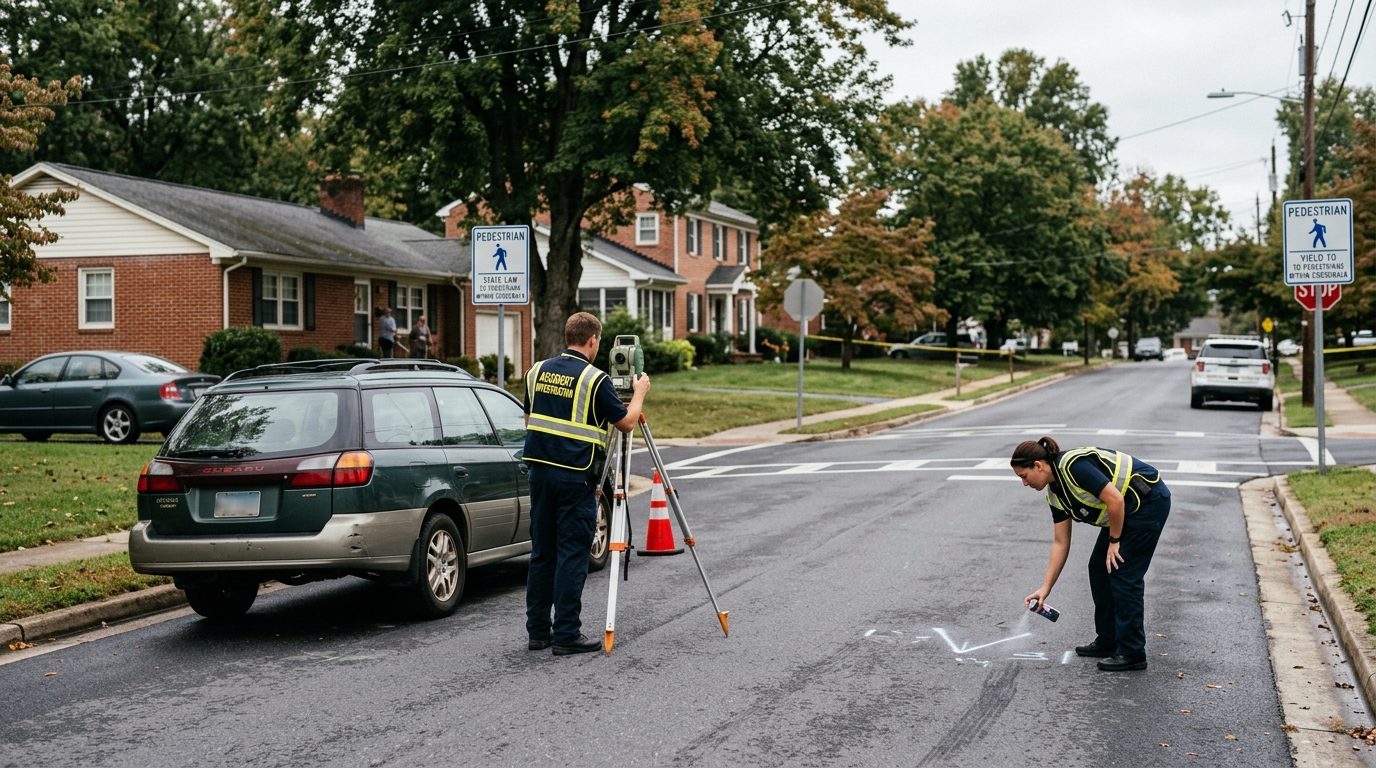
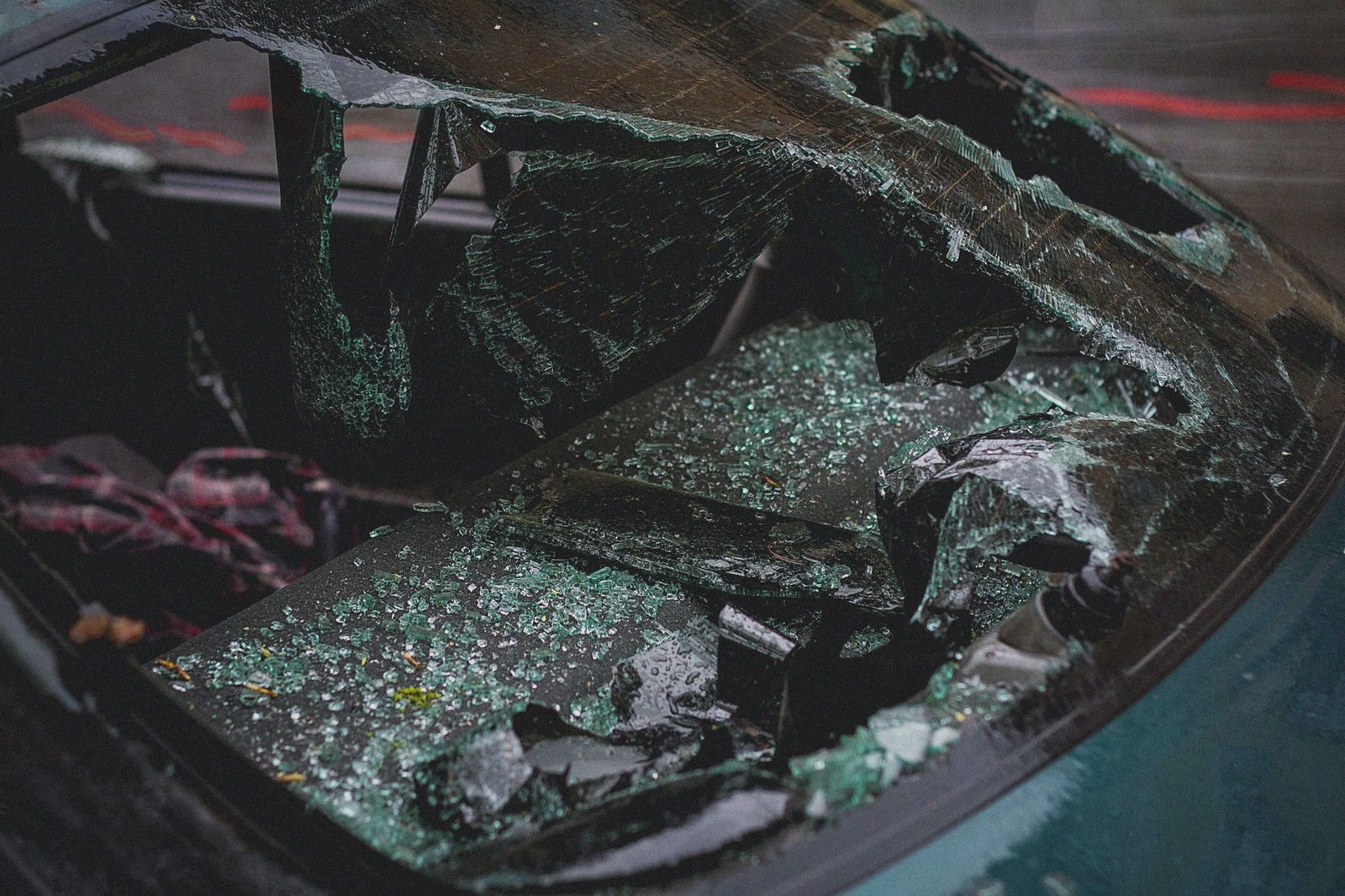
The type and severity of a head injury come from medical imaging and clinical exams. Crash photos and vehicle damage cannot show what happened inside the skull.
How a Crash Can Injure the Brain Without a Fracture
A crash can injure the brain without breaking the skull, because the brain moves inside the skull. The brain is soft and floats in fluid, not fastened to the bone. Crash type matters. Head-on, side-impact and rollover crashes load the head in different ways.
In a sudden stop, the brain can strike the inside of the skull on the side of impact. It can then rebound and hit the opposite side. Doctors call these coup and contrecoup injuries.
Twisting forces matter too. Side-impact crashes and rollovers can rotate the head, and that twisting can stretch and tear the nerve connections in the brain.
Belts and airbags are built to protect people, and they do. A belted driver with a working airbag can still have a brain injury, because the brain can move even when the body is restrained. Injuries like these can be hard to see at the scene. The person may look fine while the brain is still reacting to the impact.
Signs of a Brain Injury After a Car Accident
The most common signs include headache, confusion and dizziness, but signs vary from person to person. Some appear right away, and others take days.
- Physical signs: a headache that persists or gets worse, nausea or vomiting, and dizziness or balance problems.
- Thinking signs: confusion, trouble concentrating, slowed thinking, and memory loss around the time of the crash.
- Mood and sleep changes: irritability, mood swings and changes in sleep patterns, often first noticed by family.
- Sight and sound changes: blurred or double vision, hearing changes, sensitivity to light or noise, and ringing in the ears.
A person who seems alert at the scene can still have a brain injury. Shock and stress can hide early symptoms. Family members are often the first to notice changes, so their observations matter. Symptoms also tend to build or shift over the first days, which is why a single check at the scene rarely answers the question.
How Long Does a Concussion Last After a Car Accident?
Many concussion symptoms improve over days to weeks, but recovery times vary widely from person to person. Some symptoms last longer, and some people have problems that continue for months.
The length of symptoms depends on the injury, the person’s health history and the care received. Early rest followed by a gradual return to normal activity is a common approach, and pushing too hard too soon can bring symptoms back.
The treating providers’ instructions on rest, work, school and driving should guide daily life. Symptoms that get worse or do not improve over time deserve prompt follow-up with a treating provider.
Some people feel better quickly and then have a setback when they return to screens, work or noise. Recognizing that pattern helps the person and family plan the return to daily life.
Not sure what your next step is?
Talk it through with Correll Law Firm — we can walk you through how a situation like yours is usually handled and what your options are.
What to Expect After a Skull Fracture
After a skull fracture, the usual first step is medical follow-up, which may include observation and repeat neurological checks. Doctors may watch for bleeding or swelling inside the skull, even when symptoms seem mild. If symptoms change, repeat scans may follow.
A depressed fracture may need more careful review than a thin crack. Many people also need help with memory, attention and sleep during recovery, and the treating providers can suggest ways to manage these.
Activity guidance often covers rest, return to work and driving. Follow the treating providers’ instructions on each point.
Some warning signs call for emergency medical care without delay. These include a headache that rapidly worsens, repeated vomiting, a seizure, new weakness or numbness, slurred speech, unusual drowsiness, or a change in consciousness.
Why Prompt Medical Evaluation Matters After a Head Impact
Medical evaluation after a head impact matters, even when the person feels fine. Symptoms can appear hours or days after a crash. A first evaluation also gives the treating provider a baseline for later checks.
CT and MRI scans can show fractures and bleeding. Not every brain injury shows up on early scans, though. A normal scan does not rule out a concussion, so ongoing symptoms still count.
In severe brain injuries, a person may lose consciousness or fall into a coma. Delay is a serious risk in those cases, which is one reason emergency care should not wait.
Virginia requires a driver involved in a crash with injury or death to stop and report it to police immediately (Va. Code §§ 46.2-371, 46.2-894). The driver must also give reasonable help to an injured person, including taking that person to a doctor or hospital when treatment appears necessary or the injured person asks for it. Under Va. Code § 46.2-371, the driver of any vehicle involved in any accident resulting in injury to or death of any person, or some person acting for him, shall immediately give notice of the accident to a law-enforcement officer, and a willful failure to make the report required in this section shall constitute a Class 4 misdemeanor.
Keeping Records After a Head Injury Crash
Keep every medical paper connected to the crash, because those records show how the injury was found and treated. Start with emergency department discharge papers, imaging reports and follow-up visit notes. Add prescription records and any work or school notes about missed days.
A written symptom journal helps too. Record headaches, sleep, memory problems, mood changes, vision or hearing issues and daily tasks that feel hard, with the date of each entry. Dated notes are easier to share with a treating provider than memory alone.
Virginia generally allows two years from the date of injury to file a personal injury lawsuit (Va. Code § 8.01-243(A)); the clock runs from the date of injury, not the date of discovery, with narrow exceptions. The two-year period is the deadline to file a lawsuit, not to report a crash (Va. Code § 8.01-243).
If a crash causes a death, a different set of rules applies. A Virginia wrongful death action is filed by the decedent’s personal representative within two years of the death (Va. Code §§ 8.01-50(C), 8.01-244(B)), on behalf of the family members the statute protects. Family members do not file; they share in the recovery.
The firm has a Winchester location and a Harrisonburg location. It represents people hurt in car and truck crashes and families in wrongful death cases, from the Shenandoah Valley to Richmond and Henrico County.
Frequently Asked Questions
Can you have a brain injury without a skull fracture?
Yes. A brain injury can happen with no break in the skull, and many concussions show no fracture on scans.
Can a brain injury cause symptoms days after a car accident?
Yes. Some symptoms appear hours or days later, so new changes after a crash deserve medical attention.
Does a normal early CT scan rule out a concussion?
No. Standard early scans often miss concussions, so a normal scan does not rule one out.
Does a skull fracture mean the brain was damaged?
Not always. A fracture is a break in bone, and it does not show how much the brain was affected.