
Traumatic Brain Injury | Richmond and Henrico County
Traumatic Brain Injury Claims for Richmond and Henrico County Families
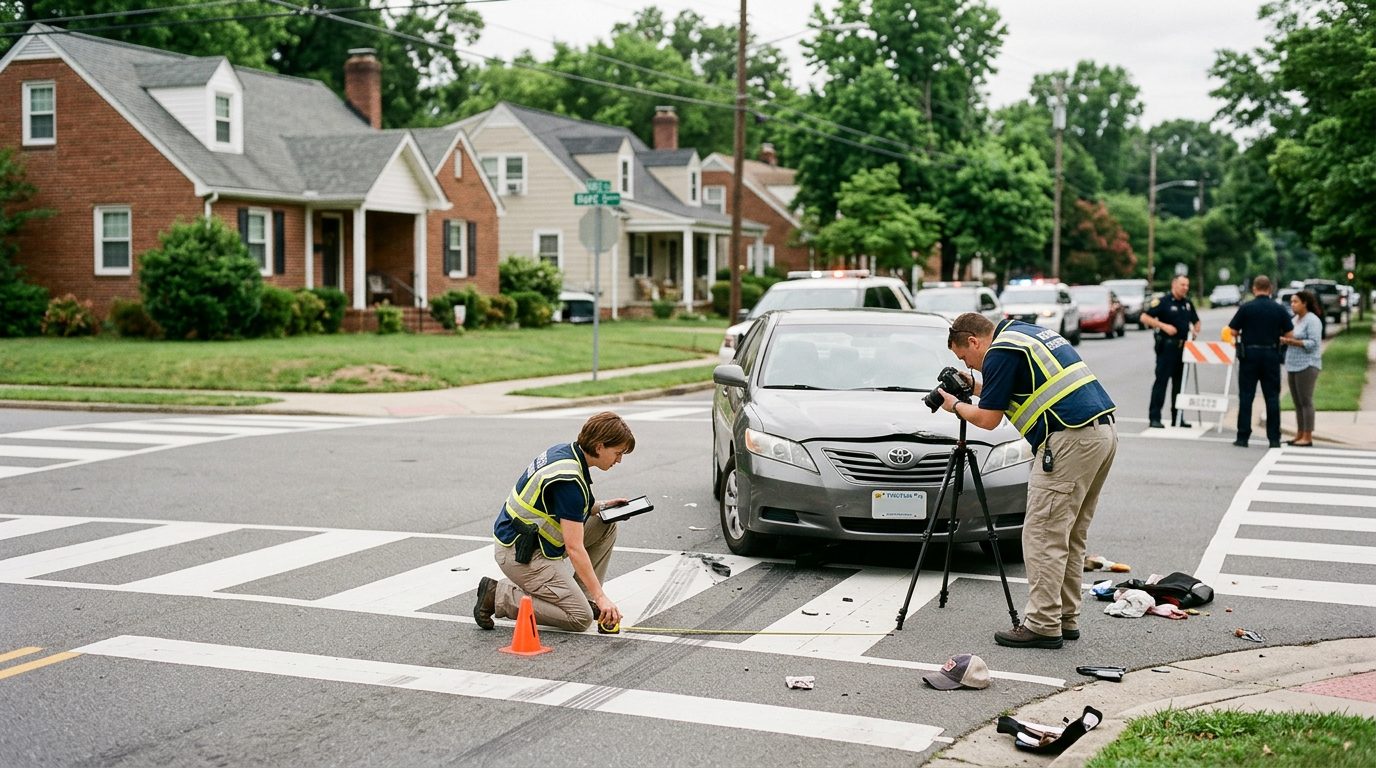
Correll Law Firm represents people and families after serious head injuries from car and truck crashes, from the Shenandoah Valley to Richmond.
Where the firm works
2
Offices, in Winchester and Harrisonburg
Virginia
Cases handled statewide, including Richmond and Henrico County
Published October 21, 2026
A traumatic brain injury from a car or truck crash can change daily life fast, and it can also lead to a legal claim. This guide explains that claim in plain words, including what Virginia law says about deadlines, fault and damages. It is written for readers in Richmond and Henrico County who are looking for a traumatic brain injury Richmond Henrico County lawyer, and for families of people hurt in serious crashes.
What a Traumatic Brain Injury Claim Covers and Who It Is For
A traumatic brain injury claim seeks compensation for a brain injury caused by someone else’s negligence, which means carelessness. A traumatic brain injury happens when a blow, jolt or penetrating force damages the brain. Injuries range from mild to severe, and the most serious are often called catastrophic brain injuries.
Correll Law Firm focuses on serious injuries from car and commercial truck crashes, including catastrophic brain injuries. This page is for three groups:
- Drivers and passengers hurt in car crashes.
- People hurt in commercial truck or commercial vehicle crashes.
- Families of someone who died after a brain injury in a crash.
The firm has offices in Winchester and Harrisonburg. It represents people in Richmond and Henrico County, as well as across the Shenandoah Valley. A claim is not the same as a diagnosis. Medical records show the injury. The claim shows who caused it and what losses followed. Brain injury claims often involve several kinds of loss, and each one needs its own records.
If a crash left you or someone you love with a brain injury, you may have a claim, and the firm is glad to talk through the facts with you. Talk it through with Correll Law Firm — we can walk you through how a situation like yours is usually handled and what your options are.
Symptoms, Diagnosis, and the Losses Families Track
Brain injury symptoms can be physical, mental or emotional, and they do not always appear right away. Families often notice headaches, trouble with memory or concentration, dizziness, sleep changes and mood shifts. Writing them down from the start helps, because some changes show up days after a crash. A medical provider makes the diagnosis.
Care often spans several stages. The Model Systems Knowledge Translation Center describes traumatic brain injury care across emergency, acute and post-acute stages. Ask providers to note your symptoms in your chart, not just your diagnosis.
Families also track losses, such as missed work, changed roles at home, extra care needs and medical bills. Keep receipts, appointment notes and letters from employers, since those records show the real effects of the injury. Clear records make the story easier to explain.
How Crashes Cause Brain Injuries and What Evidence Matters
Brain injuries in crashes often happen when the head strikes something hard or moves violently inside the skull. Common examples include a head striking the windshield, steering wheel or pavement, rotational forces during a sharp impact, and ejection from a vehicle in a severe collision.
Commercial truck crashes can involve more records than a typical car crash, including driver logs, maintenance files and vehicle data. They can also involve more than one party.
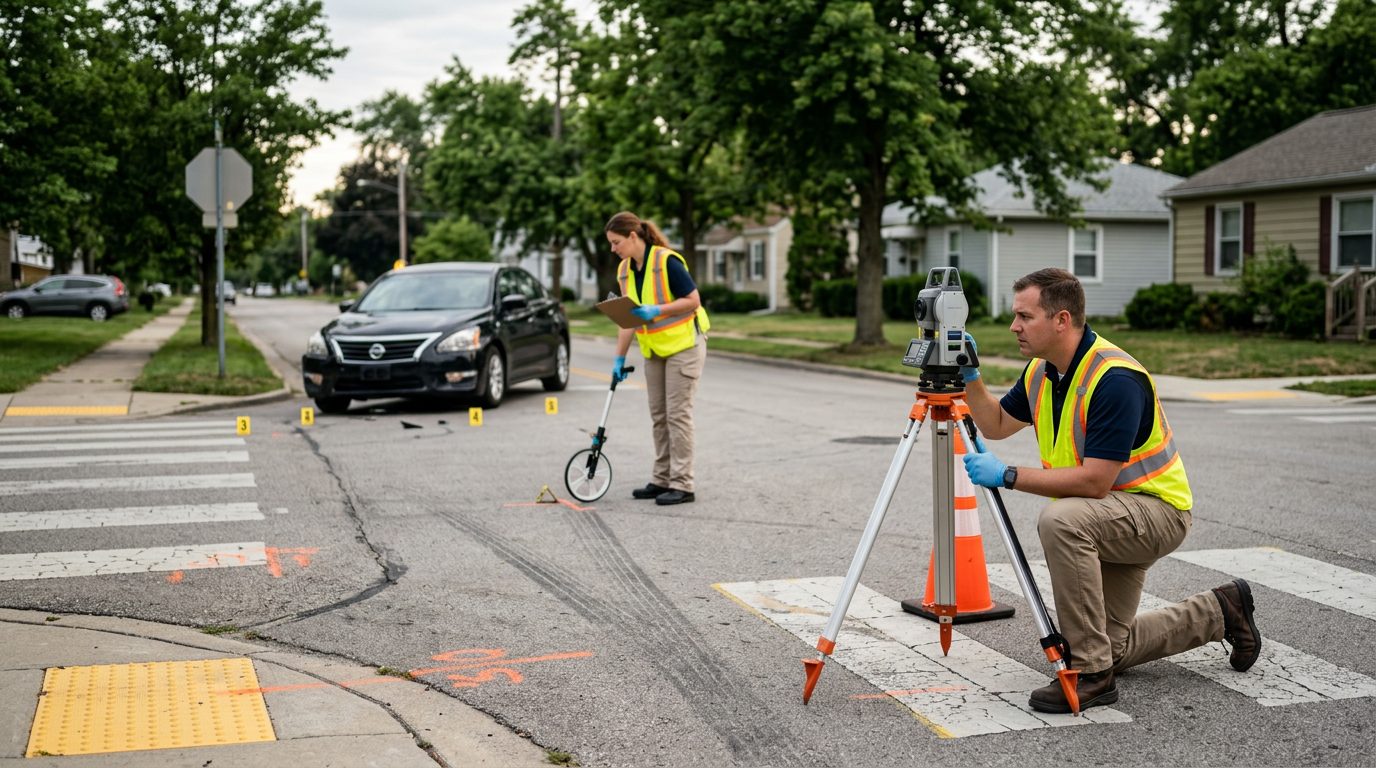
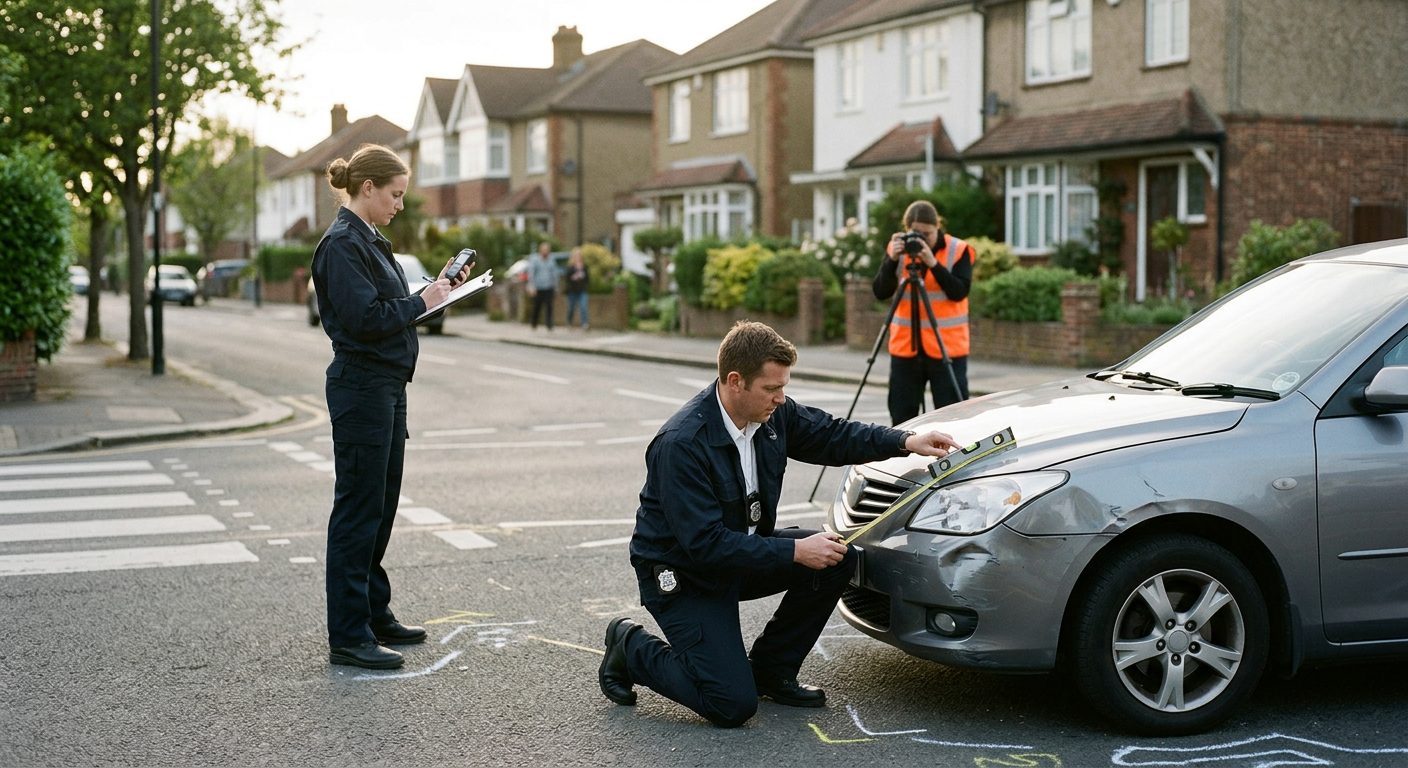
Start gathering evidence early: the police report, photos of the scene and vehicles, medical records, witness names, and a written symptom log. Medical records from the first days after a crash help link symptoms to the crash itself. Keep a copy of every bill, too.
Crash Reporting Duties, Filing Deadlines, and Fault Questions
Crash reporting and lawsuit deadlines are separate questions under Virginia law.
Virginia requires a driver involved in a crash with injury or death to stop and report it to police immediately (Va. Code §§ 46.2-371, 46.2-894). The statutes are Va. Code § 46.2-894 and Va. Code § 46.2-371.
The two-year period below is the deadline to file a lawsuit, not the deadline to report a crash. Virginia generally allows two years from the date of injury to file a personal injury lawsuit (Va. Code § 8.01-243(A)); the clock runs from the date of injury, not the date of discovery, with narrow exceptions. Read the statute at Va. Code § 8.01-243.
Some claims carry notice requirements that run out sooner, so the two-year period is an outer limit, not a target date. Fault is another question that shapes these claims.
Virginia follows contributory negligence: if you are found even partly at fault, you may be barred from recovering, with limited exceptions (Contributory negligence bars recovery in Virginia). Talk to a lawyer about your facts.
Wrongful Death and Punitive Damages in Serious Crash Cases
When a crash causes a death, Virginia law allows a wrongful death action, brought by and in the name of the decedent’s personal representative.
A Virginia wrongful death action is filed by the decedent’s personal representative within two years of the death (Va. Code §§ 8.01-50(C), 8.01-244(B)), on behalf of the family members the statute protects. The filing rules are in Va. Code § 8.01-244.
Family members do not file; they share in the recovery. Who shares, and in what order, is set in Va. Code § 8.01-53. Families often have questions about timing and about who files, and those questions are worth raising early.
Virginia wrongful death damages cover the family’s sorrow, mental anguish and loss of the decedent’s companionship, guidance and care; lost income and services; medical expenses from the injury; funeral expenses; and, for willful or wanton conduct, punitive damages (Va. Code § 8.01-52).
Virginia allows punitive damages for actual malice, or for willful or wanton conduct or recklessness showing a conscious disregard for the safety of others, capped at $350,000 (Va. Code § 8.01-38.1). The statute is Va. Code § 8.01-38.1.
How the Case Evaluation Works and What to Expect
- First contact by phone or through the firm’s online form.
- A conversation about how the crash happened and what injuries followed.
- A review of records you already have, such as police reports and medical notes.
- A talk about the deadlines above and what the firm can review next.
Each matter depends on its facts, so no timeline or outcome can be set in advance. Bring what you have, even if it feels incomplete. Expect questions about your work, daily life and medical care, since those details shape what the records show.
You may wish to speak with a lawyer before deciding whether to bring a claim.
Not sure what your next step is?
Talk it through with Correll Law Firm — we can walk you through how a situation like yours is usually handled and what your options are.
Common Questions About Brain Injury Claims in Richmond and Henrico County
The answers below cover timing, severity and who may be responsible.
Can I still bring a claim if symptoms appeared days after the crash?
Symptoms can appear days later. Tell the firm when they started, since the filing clock runs from the date of injury (Va. Code § 8.01-230).
Does a mild head injury count as a traumatic brain injury?
Traumatic brain injuries range from mild to severe, so a mild injury can still be a traumatic brain injury.
Can more than one party be responsible in a truck crash?
Responsibility in a truck crash can involve more than the driver, so the records matter.
What records should I keep?
Keep medical records, bills, the police report number, photos and a written symptom log.
Does the firm handle wrongful death cases?
Yes. Correll Law Firm handles wrongful death claims that follow serious crashes.