

Traumatic brain injury | Virginia
Brain Injury After a Crash: Signs Virginia Families Should Not Ignore
Some symptoms appear hours or days later, and a person may not realize what is happening. Knowing what to watch for can help you get medical care sooner.
Published November 22, 2026
After a crash, many families ask what it means if a person has a brain injury. A brain injury happens when a blow, bump or jolt to the head disrupts how the brain works. It can happen without a blackout, and symptoms may take days or weeks to appear.
This guide explains the common signs, why delayed symptoms matter, how medical care works, and what Virginia law says about reporting a crash and filing a claim. It is written in plain language for adults hurt in a crash and for the family members who look after them.
What a traumatic brain injury is
A traumatic brain injury, or TBI, is damage to the brain caused by an outside force. Usually that force is a blow or jolt to the head. It can also be an object that breaks through the skull. The VA health library describes these injuries as ranging from mild to severe.
Severity does not always match how a person looks at the scene. Someone who seems fine can have a serious injury. Someone who looks badly hurt can recover well. Doctors judge the injury by symptoms, exams and tests, not by appearance alone.
Car and truck crashes are a common cause. In a crash, the head can strike the steering wheel, the dashboard, a side window or the road. The brain can also move hard inside the skull even when the head never seems to hit anything. The same risk applies on rural roads in the Shenandoah Valley and on busy highways near Richmond.
If a crash left someone with a head injury, you do not have to sort out the questions alone. The firm offers a free case evaluation to talk through the facts. Talk it through with Correll Law Firm — we can walk you through how a situation like yours is usually handled and what your options are.

Brain injury can happen without loss of consciousness
A person can have a brain injury without losing consciousness. Many people believe a blackout is required. It is not.
Feeling dazed, confused or “not right” after a head impact deserves medical attention. This is true even if the person stayed awake and talked normally at the scene. A brief loss of consciousness is one possible sign, not the only one.
Some people remember the crash clearly but feel foggy later that day. Others have a headache and seem fine for a while. Some have no memory of the moments just before or after the impact. A gap in memory around a crash is a warning sign worth reporting to a medical provider.
The person’s own account matters. Tell the provider exactly what happened and what the person felt at each step, even if it seems small. Accurate details help the provider decide what to check.
Signs and symptoms that can appear right away or later
Brain injury symptoms fall into three groups: physical, thinking and emotional. Some appear at once. Others develop slowly.
- Physical: headache, nausea, dizziness, vision or hearing changes, and sleep changes.
- Thinking: memory gaps, slowed thinking and trouble concentrating.
- Emotional: irritability, anxiety and low mood.
Some warning signs need emergency care right away. These include a headache that keeps getting worse, repeated vomiting, confusion that grows, unequal pupils, weakness or numbness, and seizures. Anyone with these signs should get emergency medical help immediately.
Symptoms can also appear late. The VA health library notes that TBI symptoms can be unpredictable. Some show up days or weeks after the crash, often once the person returns to normal routines. That delay is why ongoing observation matters. Watch for changes at home and at work over the following weeks.
How a brain injury is evaluated and treated
A medical provider checks for a brain injury by reviewing the symptoms, the crash and the person’s brain and nerve function. Imaging tests are used when the provider thinks they are needed.
The exam often looks at memory, attention, balance, vision, speech and strength. These checks help the provider see which functions may be affected. The results guide what happens next.
Treatment depends on the injury and the person’s symptoms. It may include rest, care for symptoms, rehabilitation and follow-up visits. The VA health library also covers recovery after a TBI.
Keep a written symptom log. Note the date, the symptom, how strong it was and what the person was doing. Bring the log to each visit, so the provider can see how symptoms change over time.
How a brain injury can affect behavior, work and daily life
A brain injury can change how a person thinks, feels and acts. The effects depend on which part of the brain was hurt and how badly.
Damage to areas that control memory, attention, judgment and impulse control can change behavior and personality. A person may become easily frustrated, act without thinking or struggle to follow a conversation. Relationships can feel strained even when everyone is trying hard.
Daily life can change too. Common effects include fatigue, trouble doing several tasks at once, and difficulty reading for long stretches. Some people find driving harder, especially in traffic. Many struggle to return to work at their old pace. Changes in sleep and appetite can also occur.
A person may not notice their own changes. Family members often see them first, so their observations are an important part of the medical picture. Share what you notice with the provider, and write it down.
Can previous head injuries cause problems years later?
Yes, a past head injury can matter when a medical provider evaluates new symptoms. A history of concussions or other head impacts is part of the picture the provider reviews.
Tell the medical provider about every past concussion and head impact. That includes injuries from sports, falls, work accidents and earlier crashes. Even a hit that seemed minor may be relevant. Many people forget older injuries unless someone asks, so bring them up yourself.
A prior injury does not mean a new injury is less serious. Each injury is reviewed on its own medical facts. A provider looks at the current symptoms, the new impact and the recovery so far, rather than assuming the old injury explains everything.
Not sure what your next step is?
Talk it through with Correll Law Firm — we can walk you through how a situation like yours is usually handled and what your options are.
How to help a person with a brain injury at home
Help starts with rest, steady routines and patience, as the treating provider advises. A calm, predictable home makes it easier to notice changes.
Many people with a brain injury feel better with less screen time, less noise and dimmer light. Short breaks during the day can help with fatigue. Ask the provider which limits make sense in your situation.
Go to medical appointments when you can, and help keep the symptom log up to date. A second set of eyes often catches changes the person has missed.
Mood changes are common. Check in often, stay calm when irritability shows up, and be patient with slow progress. Simple routines help many people feel more in control.
Encourage the person not to drive, return to work or play sports until their medical provider says it is safe. Returning too soon can make symptoms worse.
Reporting a crash and the time limits in Virginia
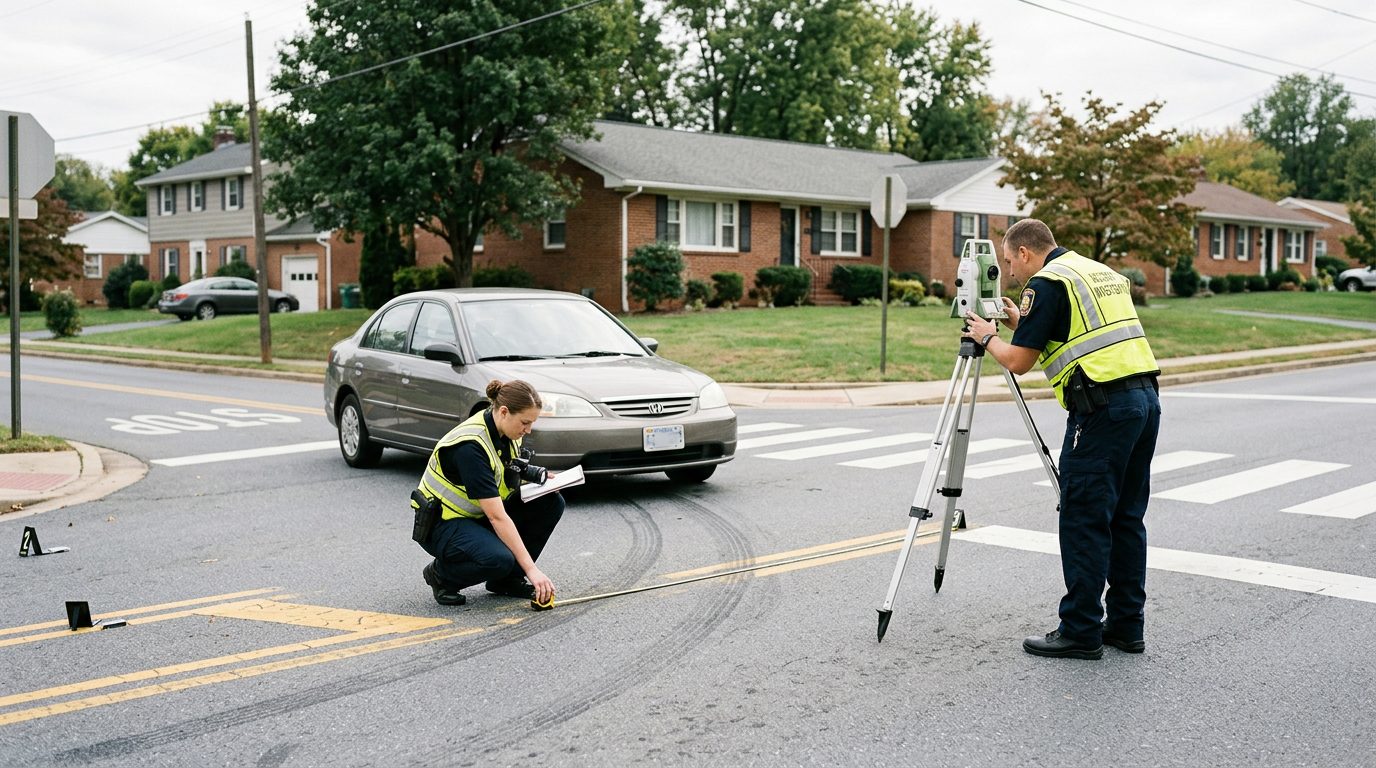
Virginia requires a driver involved in a crash with injury or death to stop and report it to police immediately (Va. Code §§ 46.2-371, 46.2-894). The notice duty appears in Va. Code § 46.2-371. The duty to stop is spelled out in Va. Code § 46.2-894. If injuries prevent the driver from reporting at the scene, the driver is required to report as soon as reasonably possible.
Virginia generally allows two years from the date of injury to file a personal injury lawsuit (Va. Code § 8.01-243(A)); the clock runs from the date of injury, not the date of discovery, with narrow exceptions. Read the filing rule in Va. Code § 8.01-243.
For personal injury claims, such as those from a crash, the two-year period is the deadline to file a lawsuit, unless otherwise provided in that section or by other statute; it is not the deadline to report a crash. Under Va. Code § 8.01-230, for injury to a person the period starts when the injury is sustained, except where the relief sought is solely equitable or where otherwise provided under § 8.01-233, subsection C of § 8.01-245, §§ 8.01-249, 8.01-250 or other statute.
Some claims carry notice requirements that run out sooner. Because timing rules can be complicated, it is wise to raise timing questions early.
Where to read more about brain injury after a crash
The firm has guides that cover related questions in more depth.
The firm’s broader guide on traumatic brain injury from car and truck accidents covers causes, medical evaluation and legal options. The firm’s guide on which parties can be sued when a company vehicle is involved in a brain injury crash in Virginia covers who may be responsible. The firm’s guide on post-concussion syndrome after a car crash covers symptoms that last longer than expected.
Is a headache after a crash a sign of a brain injury?
It can be. A headache that gets worse or does not fade after a head impact should be checked by a medical provider.
Can a brain injury change someone’s personality?
Yes. Damage to areas that control mood and impulses can change behavior, and family members often notice first.
Does a Virginia crash report replace a medical checkup?
No. Reporting the crash to police and getting medical care are separate steps, and both matter.