
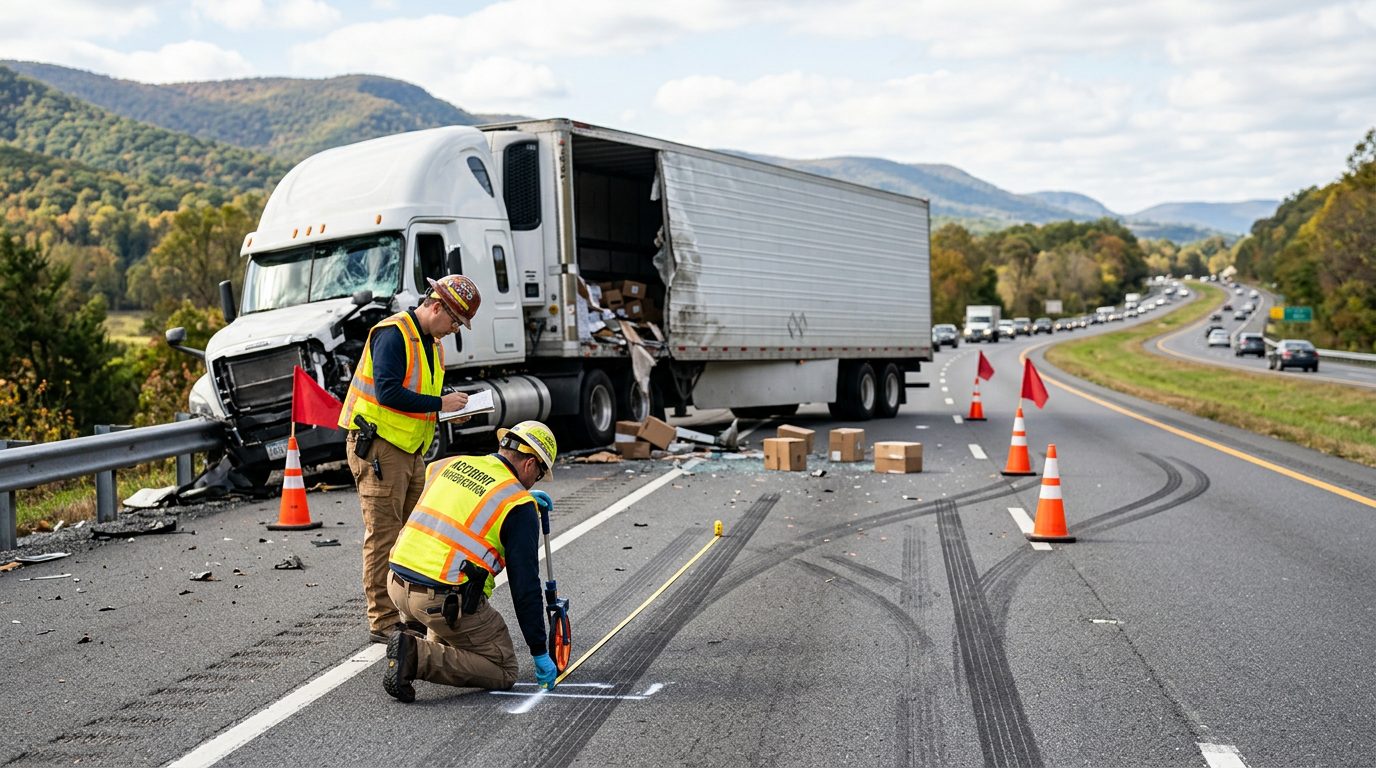
Truck Accidents | Winchester, Harrisonburg and the Shenandoah Valley
A Truck Crash Changes Everything. Clear Information Can Help You Decide What Comes Next.
Published October 27, 2026
If you were hurt in a truck crash in the Shenandoah Valley, you likely want to know what happens next. A truck crash case is a claim for harm caused by a crash involving a large commercial truck or other commercial vehicle. Correll Law Firm handles these cases for people across the Shenandoah Valley, along with families in Richmond and Henrico County. This guide explains what these cases involve, how the process generally works, and which Virginia rules may apply.
What a Truck Accident Case Involves and Who It May Help
A truck accident case involves injuries or losses caused by a commercial truck crash. The firm handles truck accidents, commercial vehicle accidents, and car accidents. It also handles catastrophic injuries, traumatic brain injury, spinal cord injury, and wrongful death.
This page is for people hurt in these crashes. It is also for families of people who died in one. Many readers are researching for a parent, spouse, or friend, and that is common.
The firm has offices in Winchester and Harrisonburg. It serves people from across the northern Shenandoah Valley, Richmond, Henrico County, and the wider region.
If a truck crash changed your life or your family's, you may have a claim, and Correll Law Firm offers a free case evaluation to talk through your facts. Talk it through with Correll Law Firm — we can walk you through how a situation like yours is usually handled and what your options are.

Injuries and Losses the Firm Handles
The firm handles serious injuries and the losses that can follow them. Those losses may include medical bills, lost work, and changes in daily life.
- Catastrophic injuries: Injuries with long-term effects that change how a person lives and works.
- Traumatic brain injury: Injuries to the brain that can affect memory, thinking, and mood.
- Spinal cord injury: Injuries to the spinal cord that can affect movement and feeling.
- Wrongful death: Claims brought after a death caused by someone else’s wrongful act.
Treating doctors answer medical questions about prognosis and recovery. A lawyer does not replace that care.
Keep practical records from the start. Save medical records, bills, photos, the names of witnesses, and any letters from insurers in one folder. Organized records make it easier to review the facts later.
How the Process Typically Works, Step by Step
The process usually starts with reporting the crash and then a first talk about the facts. Each step builds on the one before it.
- Report the crash. Virginia requires a driver involved in a crash with injury or death to stop and report it to police immediately (Va. Code §§ 46.2-371, 46.2-894). Reporting a crash and filing a lawsuit are separate steps.
- In this first talk, the firm asks about the crash, the injuries, and what happened afterward. The talk is confidential, and it does not obligate you to continue.
- Gather information. A lawyer may review the police report, medical records, photos, vehicle details, and witness contact information. Each item can add detail to the picture, but none is a promise of any result.
- Review the facts and options. The firm reviews what it learns and discusses possible next steps. Some cases move quickly and others take much longer. The timing depends on the facts.
Virginia Rules That May Apply to Your Situation
Virginia has deadlines and fault rules that can shape a claim. Know these early, because the timing matters.
Filing deadline.Virginia generally allows two years from the date of injury to file a personal injury lawsuit (Va. Code § 8.01-243(A)); the clock runs from the date of injury, not the date of discovery, with narrow exceptions. Some claims carry notice requirements that run out sooner.
Fault.Virginia follows contributory negligence: if you are found even partly at fault, you may be barred from recovering, with limited exceptions. Talk to a lawyer about your facts.
Wrongful death.A Virginia wrongful death action is filed by the decedent’s personal representative within two years of the death (Va. Code §§ 8.01-50(C), 8.01-244(B)), on behalf of the family members the statute protects. The wrongful death statute makes a person or company liable to an action for damages when its wrongful act, neglect, or default causes a death and would have let the injured person sue if they had lived (Va. Code § 8.01-50).
Why Truck Crashes Can Involve Different Questions
Truck crashes often raise questions that car crashes do not. Federal law lets the Secretary of Transportation set safety requirements for motor carriers.
A lawyer may ask questions such as these:
- Who owned, leased, or operated the truck?
- Who employed the driver, and what records exist about that driver?
- What maintenance and inspection records exist for the vehicle?
- Did the load or the company’s dispatch practices play a role?
These are questions to review, not proof of fault. The answers help a lawyer understand who may be involved.
Common Questions People Ask About Truck Accident Cases
How do I sue a trucking company?
A lawsuit generally begins when a complaint is filed in court. The steps and timing can vary by case.
Can I sue the trucking company or only the driver?
Who may be named depends on who owned, controlled, or operated the truck. A lawyer reviews those facts.
What should I not say to a personal injury attorney?
Be accurate, and share what you know. Tell your lawyer when you are unsure of a detail, and keep your own notes.
Under Va. Code § 8.01-53, a wrongful death recovery is distributed to statutory beneficiaries in the order of priority the statute sets, so not every family member shares in it.
Not sure what your next step is?
Talk it through with Correll Law Firm — we can walk you through how a situation like yours is usually handled and what your options are.
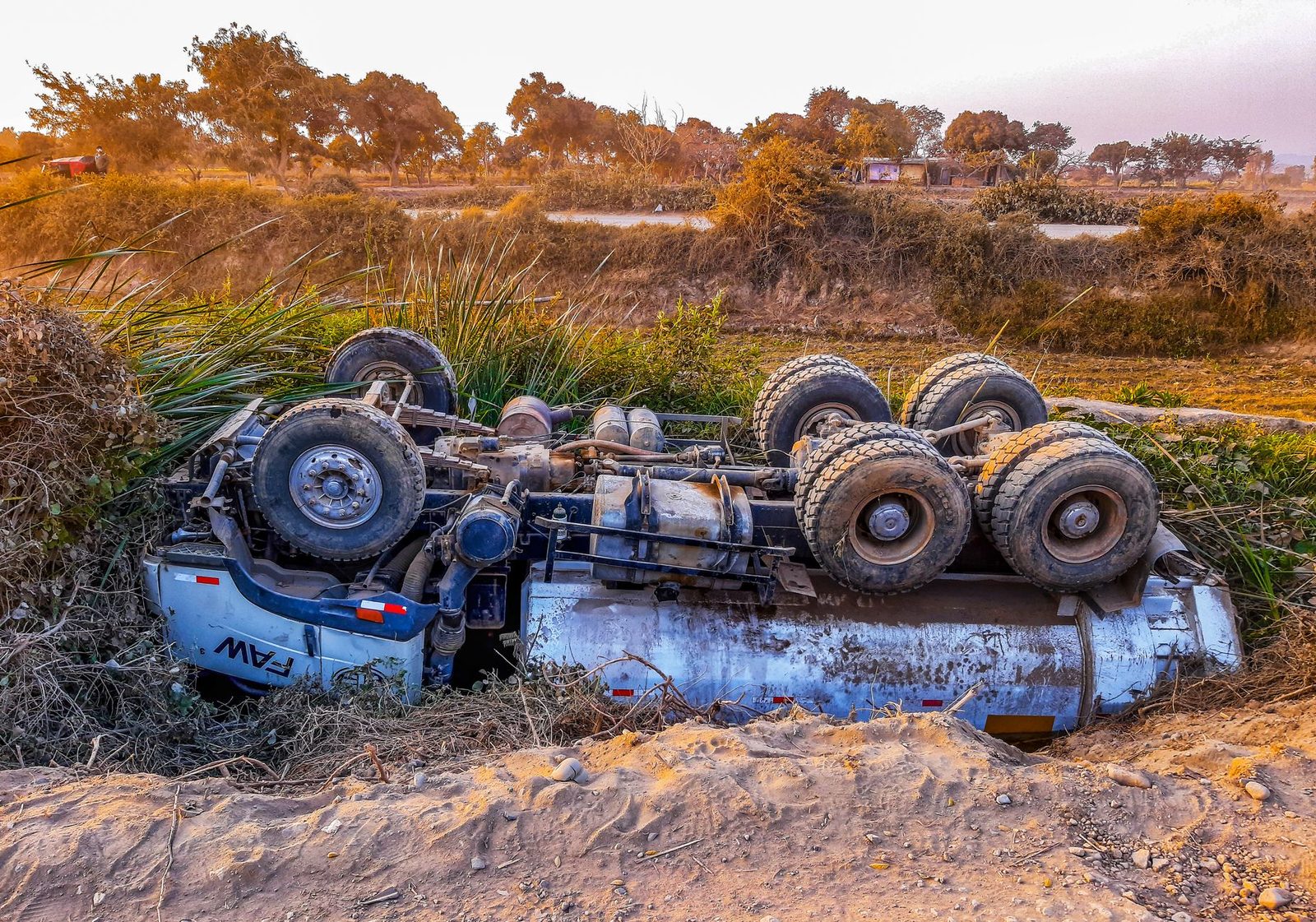
Next Steps for Readers Still Gathering Information
If you are still gathering information, you do not need to decide everything at once. Start with the facts you have. Note the date, the location, the truck company’s name, and the names of anyone who saw the crash.
Keep three questions in mind. What happened? What injuries or losses followed? Which Virginia deadlines may apply? Answering these helps you talk with a lawyer about your situation.
For more background, read the truck accident lawyer guide. Families in Richmond can also read the Richmond truck crash questions page.