
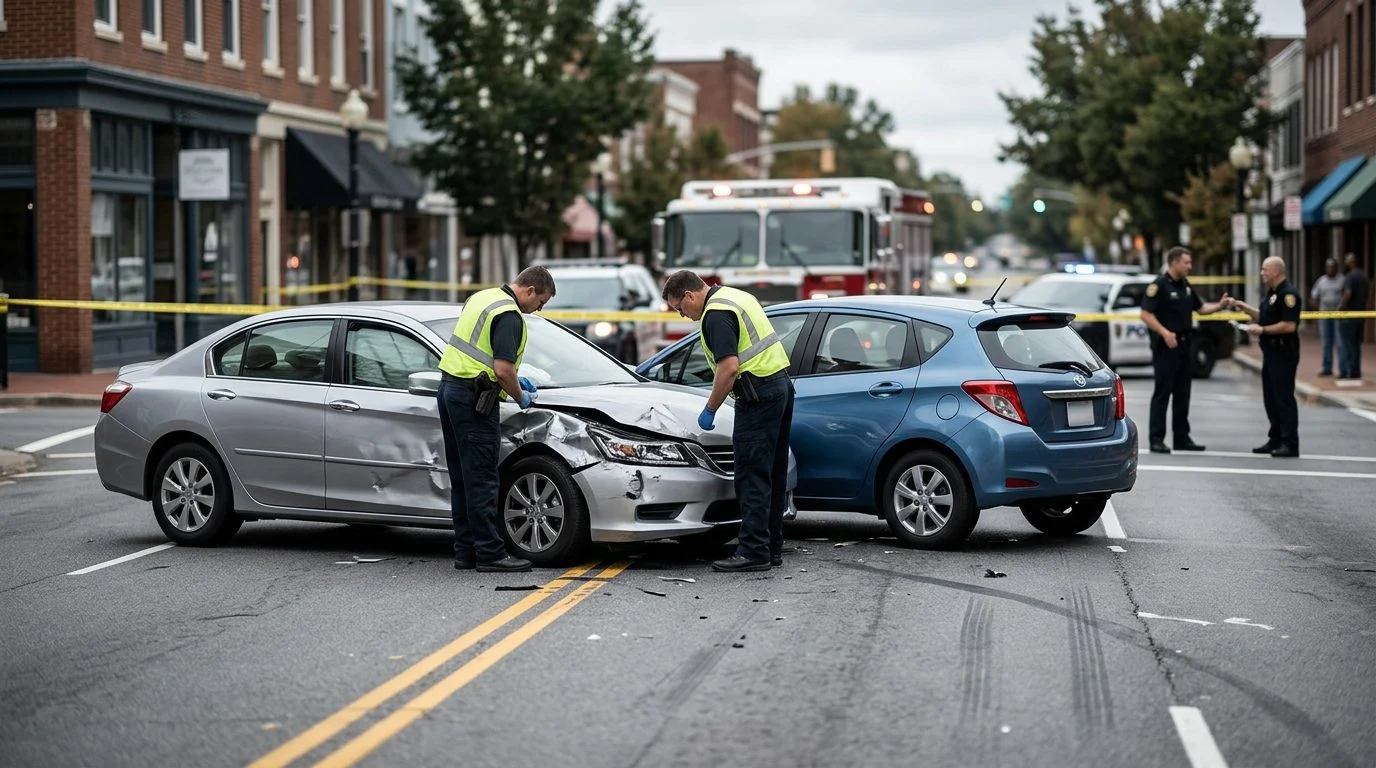
Car and Truck Accidents | Virginia
Should You Get a Lawyer After an At-Fault Crash in Virginia?
Plain answers about when a lawyer may help, what a lawyer can do after a serious crash, and how Correll Law Firm works with people across the Shenandoah Valley, Richmond and Henrico County.
Published October 28, 2026
Should I get a lawyer for a car accident that was my fault? For many drivers, a conversation with a lawyer may still be worth having, even when they believe they caused the crash. Being at fault does not always mean you have no options.
This guide explains how Virginia treats shared fault, what a lawyer may help with, and which deadlines to keep in mind. It is written for drivers who were hurt, or whose vehicle was damaged, and who are unsure what comes next.
What It Means to Be at Fault in a Car Accident
Fault means who caused the crash. Many crashes involve more than one driver, and the cause is not always clear. Speed, a lane change, bad weather, a sudden stop or a moment of distraction can all play a part, sometimes several at once.
A police report may point to one driver. An insurance adjuster may see the same crash differently. Early impressions can change as photos, witness accounts and records come in.
Many drivers feel certain about who was to blame in the first few minutes. That feeling is understandable, but it is not the same as the full picture.
The worry most drivers bring is simple: if I caused it, do I have any rights left? The next section explains the rule Virginia uses to answer that question.
Not sure what your next step is?
Talk it through with Correll Law Firm — we can walk you through how a situation like yours is usually handled and what your options are.
How Partial Fault Changes the Question in Virginia
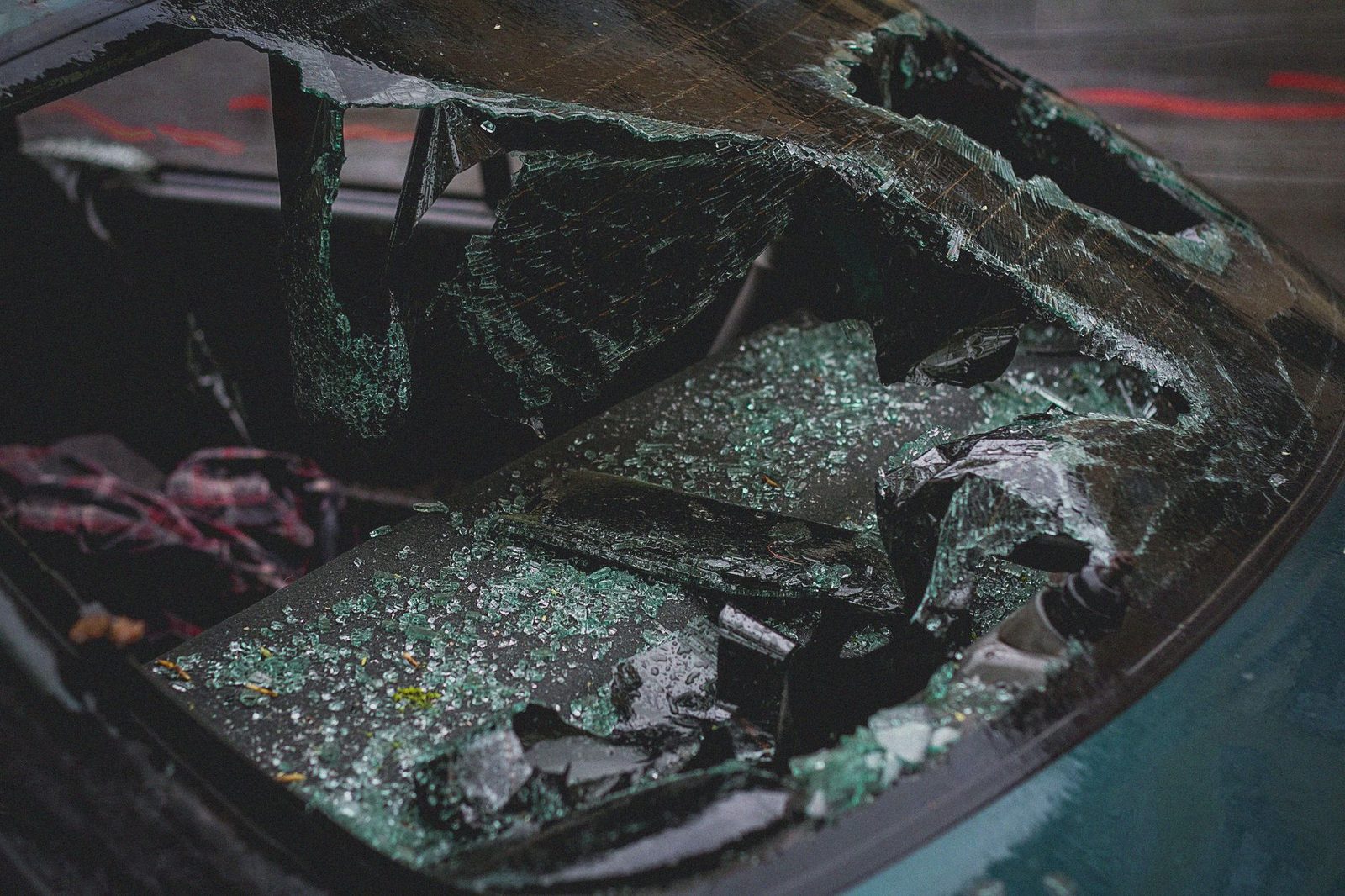
Virginia follows contributory negligence: if you are found even partly at fault, you may be barred from recovering, with limited exceptions. Talk to a lawyer about your facts.
Contributory negligence means a driver’s own fault, even in part, can block their claim (Williams v. Harrison, 255 Va. 272 (1998)).
That is why a driver who thinks they were partly responsible may wish to understand their position before speaking with an insurer or the other driver. Shared fault is not a small detail in Virginia. It can decide whether a claim can go forward at all.
Shared fault also affects how a driver describes the crash to others. Stick to facts you are sure of, and avoid guessing about speed or distance.
Why a Driver Who Caused a Crash May Still Want a Lawyer
A lawyer may help gather and keep evidence, handle insurer contact and document injuries, even when a driver believes they were responsible.
Evidence is the first area. Photos of the vehicles, the positions of the cars, witness names and medical records can all matter later. Some evidence can be lost over time, so it helps to keep what you have.
Insurance contact is the second area. An insurer may ask for a recorded statement soon after a crash. Early offer letters may arrive before the full extent of an injury is known.
Injuries are the third area. Some injuries are not clear at the scene, so a record of early symptoms and treatment can matter. The firm handles traumatic brain injury and spinal cord injury cases, and its truck accident page gives a general overview of larger crashes.
Insurance Coverage When the Reader Was at Fault
After a crash you caused, your own policy and the other driver’s policy may both matter. An insurance policy is a contract that sets out what the insurer agrees to cover and the steps needed to make a claim.
Policy wording is often technical. Words like liability and denial may appear in letters without a plain explanation.
Read every letter from an insurer slowly, and keep copies. Write down the adjuster’s name, the date of each conversation and what was said.
A lawyer may help a driver read a policy and understand what an insurer’s letter asks them to do. A driver may wish to ask those questions before replying, while the facts are still fresh.
Do not assume a letter is final just because it sounds final. Ask what it means before you sign or respond.
When the Other Vehicle Was a Commercial Truck
A crash with a semi-truck or other commercial vehicle can involve more parties, more records and more questions about who else may share responsibility.
Federal rules require drug and alcohol testing of truck drivers after certain crashes. Under 49 C.F.R. § 382.303, an employer must test surviving drivers for alcohol as soon as practicable after a qualifying crash.
If an alcohol test is not given within two hours, the employer must keep a record of why. The employer must stop trying after eight hours. For controlled-substance tests, the employer must stop trying after 32 hours.
Driver logs matter too. Under 49 C.F.R. § 395.8, motor carriers must have drivers record their duty status for each 24-hour period. Under 49 C.F.R. § 395.8(e)(1), no driver or motor carrier may make a false report in connection with a duty status. The FMCSA explains which tests commercial drivers need and when they must happen.
These records can help show how a crash unfolded. For a general overview, see the firm’s semi-truck crash page.
Deadlines and Reporting Duties to Keep in Mind
Virginia generally allows two years from the date of injury to file a personal injury lawsuit (Va. Code § 8.01-243(A)); the clock runs from the date of injury, not the date of discovery, with narrow exceptions.
Some claims carry notice requirements that run out sooner. A claim against a county, city or town for negligence generally requires a written statement, including the time and place of the injury, filed within six months after the claim accrued. The statement goes to the locality’s attorney or to its chief executive or mayor, and the statute has exceptions, under Va. Code § 15.2-209. Failure to file does not bar the claim if the attorney, chief executive, or mayor of the locality, or any insurer or entity covering the claim, had actual knowledge of the claim, which includes the nature of the claim and the time and place at which the injury is alleged to have occurred, within six months after the cause of action accrued.
Virginia requires a driver involved in a crash with injury or death to stop and report it to police immediately (Va. Code §§ 46.2-371, 46.2-894).
Va. Code § 46.2-894 also requires a driver to give reasonable help to an injured person, including getting medical care when it appears necessary or is requested.
Not sure what your next step is?
Talk it through with Correll Law Firm — we can walk you through how a situation like yours is usually handled and what your options are.
Questions to Think Through Before Deciding
Should I get a lawyer for a car accident that was my fault? That is a personal choice. A few questions can make it easier to think through.
- Was anyone hurt, including you, and has each person been checked by a medical provider?
- Has an insurer contacted you, and did you give a recorded statement?
- What records exist, such as photos, witness names, a police report number and medical records?
- Was a commercial vehicle involved?
- Was a city, town or county vehicle involved?
Write down dates, names and what happened while memories are fresh. Keep medical records and insurance letters together in one folder.
Readers in the Shenandoah Valley can find more general information on the firm’s Shenandoah truck accident page. The firm’s offices are in Winchester and Harrisonburg.
Does a police report decide who was at fault?
No. A police report records what officers learned at the scene and is one piece of evidence among many.
Does a lawyer decide who was at fault?
No. A lawyer helps a driver organize the facts and understand the rules that apply.
Should I get a lawyer for a car accident that was my fault if I was hurt?
Injuries raise the stakes, so it may help to think through these questions early.