
Spinal Cord Injury | Virginia Guide
What Happens If the Spinal Cord Is Damaged?
A plain-language guide for readers in Winchester, Front Royal, Harrisonburg, the Shenandoah Valley, Richmond, Henrico County and across Virginia.
Published October 15, 2026
What will happen if the spinal cord gets damaged? The honest answer is that it depends on where the injury is, how severe it is, and the person’s overall health. This guide explains the basics in plain language, so you know what questions to bring to the medical team.
What the spinal cord does and what damage can mean
Spinal cord damage starts with a simple idea: the spinal cord carries messages between the brain and the rest of the body. It runs inside the bones of the spine, called vertebrae. MedlinePlus describes a spinal cord injury as damage to the spinal cord.
“Spinal cord injury” is an umbrella term. It covers many kinds of damage, so two people with the same label can have very different experiences.
Damage can happen at different levels of the spine. The level is a medical detail that the treating doctors determine, not something family members can settle on their own.
Because the cord carries signals, damage may change how a person moves, feels, and controls the body below the injury. Medical sources treat these changes as possibilities that vary from person to person.
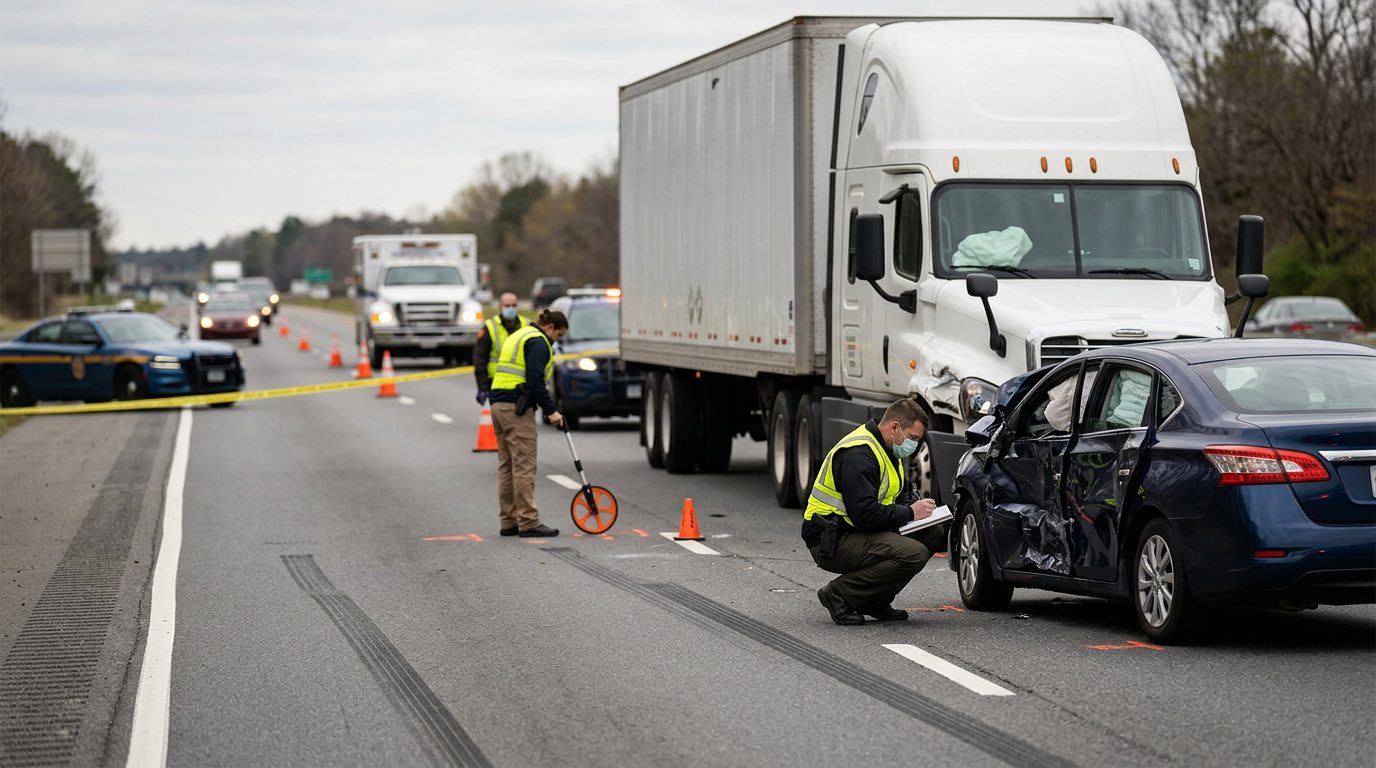
A crash can also cause other injuries, such as broken bones or head trauma. Each one needs its own medical attention, and the team will sort out which ones come first.
If you're trying to make sense of this for someone you love after a crash, you don't have to work through it alone, and the firm is glad to talk through what you're facing. Talk it through with Correll Law Firm — we can walk you through how a situation like yours is usually handled and what your options are.
Immediate effects and warning signs that need emergency care
Warning signs of spinal cord damage can include numbness, weakness, and trouble moving or feeling parts of the body. MedlinePlus lists symptoms of this kind and notes that signs can vary from person to person.
Other possible signs include severe back or neck pain and changes in bladder or bowel control. Not every sign is easy to notice, especially when a person is shaken or in pain.
Medical sources advise prompt evaluation for suspected spinal injuries. Anyone with a suspected spinal injury after a crash should be checked by medical staff right away.
Those first hours are stressful for families. Medical staff can explain what they find and which tests come next. Writing down questions as they arise can help you keep track of the answers.
Why effects differ from person to person
Doctors describe spinal cord injuries as complete or incomplete. These terms describe how much function remains below the injury. MedlinePlus is a starting point for these medical terms.
These are descriptions of the injury, not predictions.
Effects depend on the injury and on the person, so no single outcome fits everyone. Effects may change over time, but this guide does not offer a timeline or a prediction.
The treating doctors are the right people to ask about your loved one’s outlook. Useful questions include what level the injury is, whether it is complete or incomplete, and what changes the team will watch for.
Rehabilitation, medical care and daily life
Rehabilitation may include physical therapy, occupational therapy, and equipment, and the mix varies by person. MedlinePlus provides general background on spinal cord injury care.
The goals of these therapies are set by the treatment team and differ from person to person. Some people also make changes at home. Whether those changes are needed is a decision for the medical team and the family.
Families may take on new roles, such as driving to appointments, managing paperwork, or helping with personal care. These changes can be hard, and asking for support is a reasonable step.
When a crash may raise questions a lawyer can review
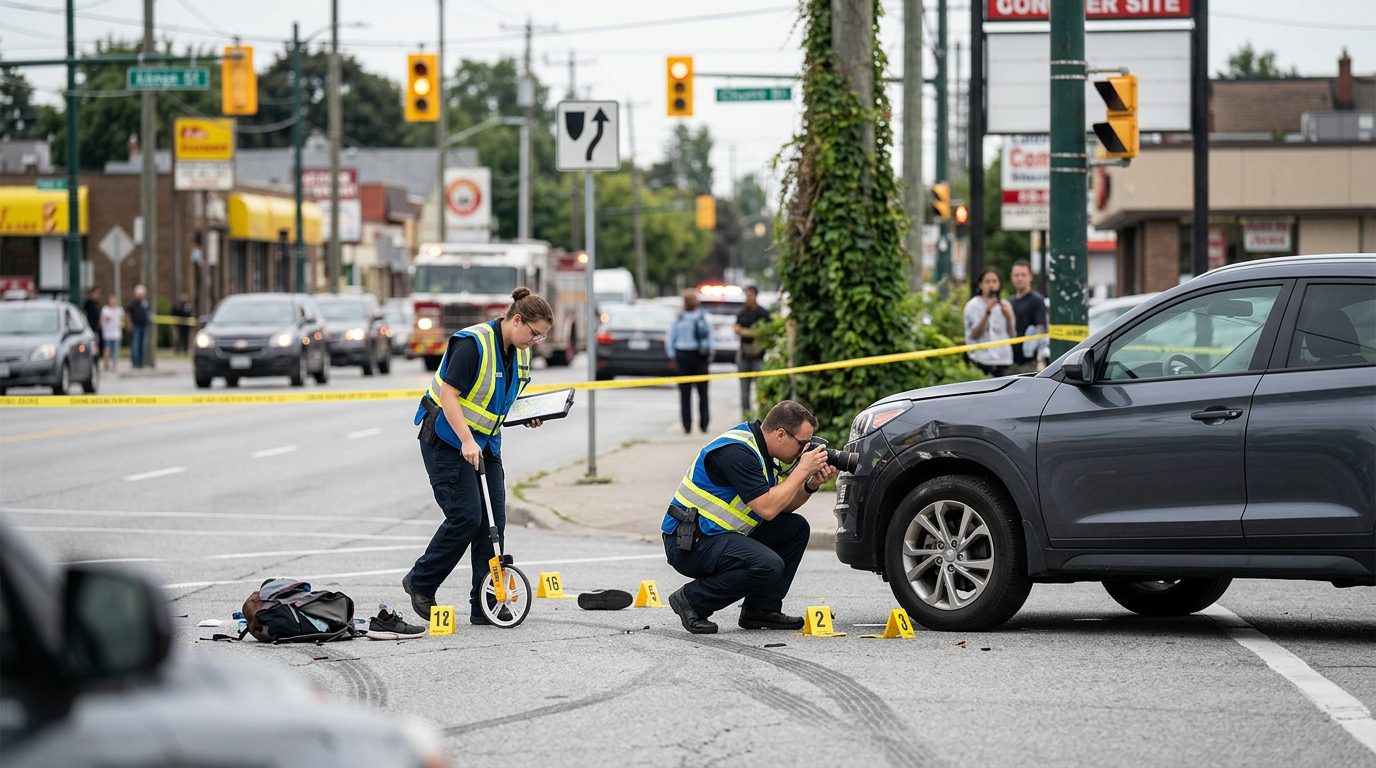
A crash that causes injury or death may raise legal questions, and a lawyer can review the facts with you. Start with the duty to report: Virginia requires a driver involved in a crash with injury or death to stop and report it to police immediately (Va. Code §§ 46.2-371, 46.2-894).
Timing also matters. Virginia generally allows two years from the date of injury to file a personal injury lawsuit (Va. Code § 8.01-243(A)); the clock runs from the date of injury, not the date of discovery, with narrow exceptions.
Fault is another question. Virginia follows contributory negligence: if you are found even partly at fault, you may be barred from recovering, with limited exceptions (Contributory negligence bars recovery in Virginia). Talk to a lawyer about your facts.
A lawyer may review how fault, the crash facts, and the injured person’s situation fit together. If you’re reading this for someone you love, you’re carrying a lot. Taking one question at a time is a reasonable place to start.
Common questions
What should happen first after a crash that may have hurt the spine?
Medical evaluation comes first. Medical sources advise prompt care for any suspected spinal injury.
Do I have to talk to a lawyer?
No, but you may wish to. A lawyer can review your facts and explain how Virginia rules may apply.