
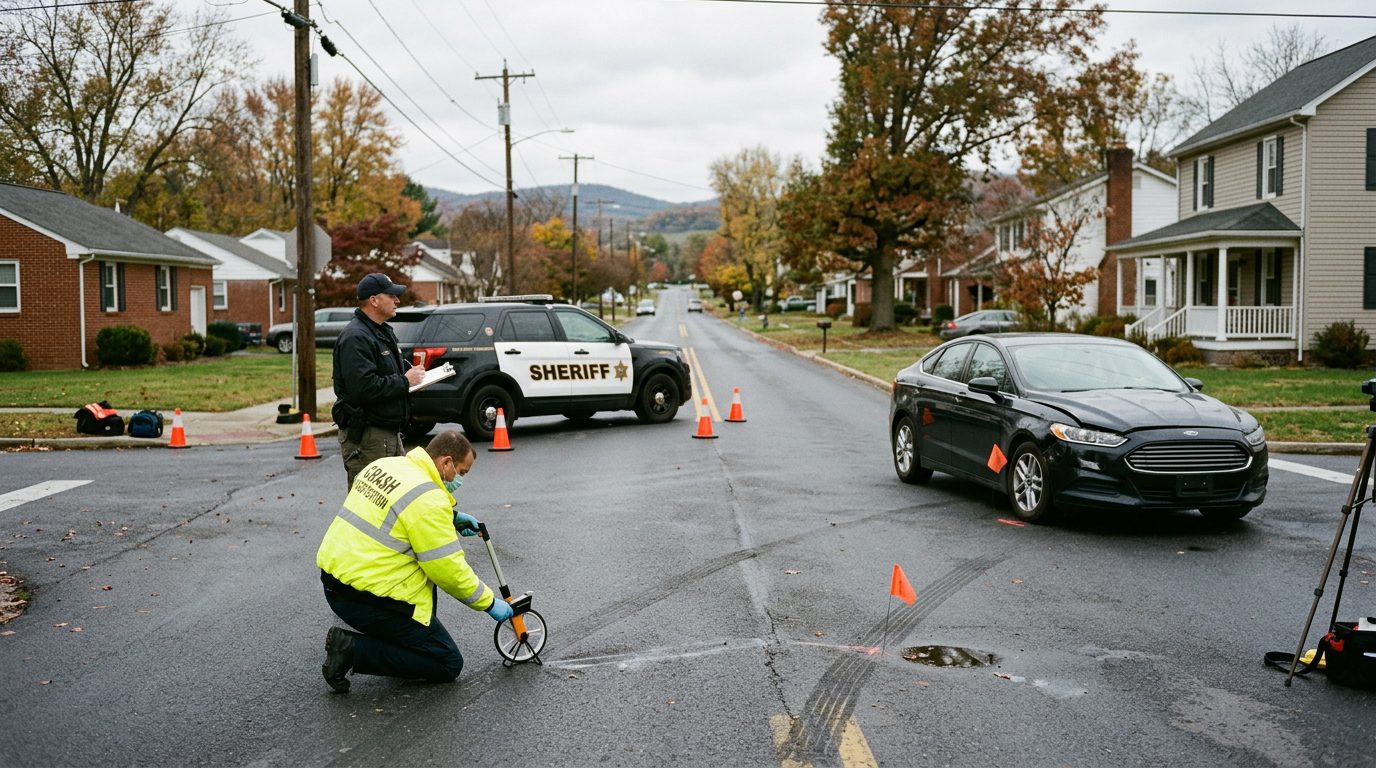
Car Accidents and Traumatic Brain Injury | Warren County and the Shenandoah Valley
Car Crash Brain Injury Claims in Warren County: What to Know
A head injury from a crash can be hard to recognize in the first days. Here is a plain-language guide for families in Warren County and nearby communities.
Published November 20, 2026
Head injuries from a crash can be hard to spot at first, and the questions pile up fast. If a car or truck crash in the Warren County area left you or a family member with a brain injury, you may have a claim against the people responsible. The firm handles car accident brain injury claims for people in Warren County. This guide explains what that claim is, how Virginia’s rules affect timing, and what it can cover.
What a car crash brain injury claim is and who it is for
A car crash brain injury claim asks the party responsible for the crash to compensate for the harm it caused. The focus is the crash and what it did to the brain and body. It is not a judgment about the injured person’s character.
The claim belongs to the injured person. If the crash was fatal, the family may pursue a wrongful death claim instead, which is covered below.
Brain injuries are often harder to see than broken bones. A person may feel fine at the scene and still have one. Early medical care creates the record a claim relies on. Keeping a written log of symptoms, appointments and missed work can also help show how the injury changed daily life. A doctor must make the diagnosis.
If a crash left you or a family member with a brain injury, you may have a claim, and you do not have to sort out the questions alone. Talk it through with Correll Law Firm — we can walk you through how a situation like yours is usually handled and what your options are.

Common types of brain injury after a crash
Crash-related brain injuries range from a mild concussion to severe injuries with lasting effects.
- Concussion: a jolt that temporarily disrupts how the brain works.
- Contusion: a bruise on the brain tissue itself.
- Coup-contrecoup injury: damage on the side that was struck and on the opposite side, as the brain moves inside the skull.
- Diffuse axonal injury: tearing of nerve fibers spread through the brain, often from rapid twisting or shaking forces.
- Penetration injury: an object breaks through the skull into the brain.
Symptoms can appear hours or days after a crash. The Virginia Department of Health says concussion and brain injury symptoms can be delayed for hours or days after a car accident. Get emergency evaluation right away for a worsening headache, repeated vomiting, unequal pupils, increasing drowsiness, trouble waking, or loss of consciousness. Memory, concentration, mood and sleep changes can also show up later.
Severe injuries can affect work, daily living and family life for a long time. These cases often need records gathered over time, not all at once.
Virginia reporting and deadlines to know
A crash has two separate clocks: the duty to report it and the deadline to file a lawsuit.
Virginia requires a driver involved in a crash with injury or death to stop and report it to police immediately (Va. Code §§ 46.2-371, 46.2-894).
The two-year period is the deadline to file a lawsuit, not to report a crash (Va. Code § 8.01-243).
Virginia generally allows two years from the date of injury to file a personal injury lawsuit (Va. Code § 8.01-243(A)); the clock runs from the date of injury, not the date of discovery, with narrow exceptions.
Some claims carry notice requirements that run out sooner. A negligence claim against a county, city or town is barred unless a written statement of the claim, including the time and place of the injury, is filed within six months after the cause of action accrued; the bar does not apply if the attorney, chief executive, or mayor of the locality, or an insurer or entity covering the claim, had actual knowledge of the claim within that period, and if the claimant was under a disability when the cause of action accrued, the tolling provisions of § 8.01-229 apply (Va. Code § 15.2-209).
A Virginia wrongful death action is filed by the decedent’s personal representative within two years of the death (Va. Code §§ 8.01-50(C), 8.01-244(B)), on behalf of the family members the statute protects. Family members generally do not file. The decedent’s personal representative brings the action, but for a fetal death action the natural mother brings it (or, if she dies or is under a disability as defined in § 8.01-2, the administrator of her estate, her guardian, or her personal representative may initiate or maintain it), and damages are distributed under the statute.
Who may be responsible in a truck or commercial vehicle crash
More than one party can be responsible for a truck or commercial vehicle crash.
The driver is one possibility. The vehicle owner, an employer or a commercial carrier may also be involved, in some situations.
Truck carriers keep records of driver duty status and related documents. Federal rules require motor carriers to keep these records for at least six months from the date of receipt (49 C.F.R. § 395.8). Because that window is short, early requests for records matter. Maintenance records and company policies can also become part of the investigation.
Virginia follows contributory negligence: if you are found even partly at fault, you may be barred from recovering, with limited exceptions. Talk to a lawyer about your facts.
Virginia allows punitive damages for actual malice, or for willful or wanton conduct or recklessness showing a conscious disregard for the safety of others, capped at $350,000 (Va. Code § 8.01-38.1).
What a brain injury claim can cover
A brain injury claim can seek compensation for the harm the injury caused to health, work and daily life.
For the injured person, that can include medical care and rehabilitation, lost income or reduced ability to work, and the effect on daily life. Lost income can be shown through pay records and employer statements. How much a claim is worth varies with each injury and crash.
Virginia wrongful death damages cover the family’s sorrow, mental anguish and loss of the decedent’s companionship, guidance and care; lost income and services; medical expenses from the injury; funeral expenses; and, for willful or wanton conduct, punitive damages (Va. Code § 8.01-52).
How the process works, step by step
The process usually moves from a first review to records, investigation and, if needed, a lawsuit.
- First review. A first review looks at the crash facts, injuries and treatment so far.
- Records. Police reports, medical records and imaging, wage records and vehicle information are gathered.
- Medical documentation. Follow-up with treating providers tracks cognitive and physical symptoms over time.
- Investigation. The at-fault parties and their insurance coverage are identified.
- Resolution. The claim is negotiated, and if needed a lawsuit is filed within Virginia’s time limits.
Timelines vary. A brain injury claim can take longer while the medical picture develops, and that depends on the facts.
Not sure what your next step is?
Talk it through with Correll Law Firm — we can walk you through how a situation like yours is usually handled and what your options are.
Serving Warren County from Winchester and Harrisonburg
The firm represents people hurt in crashes in Warren County, and its offices are in Winchester and Harrisonburg.
The firm handles car accidents, truck accidents, commercial vehicle accidents, catastrophic injuries, traumatic brain injury, spinal cord injury and wrongful death. It also serves people across the Shenandoah Valley, Richmond and Henrico County.
Readers who want to know how the firm works may wish to ask about that before deciding what to do next.
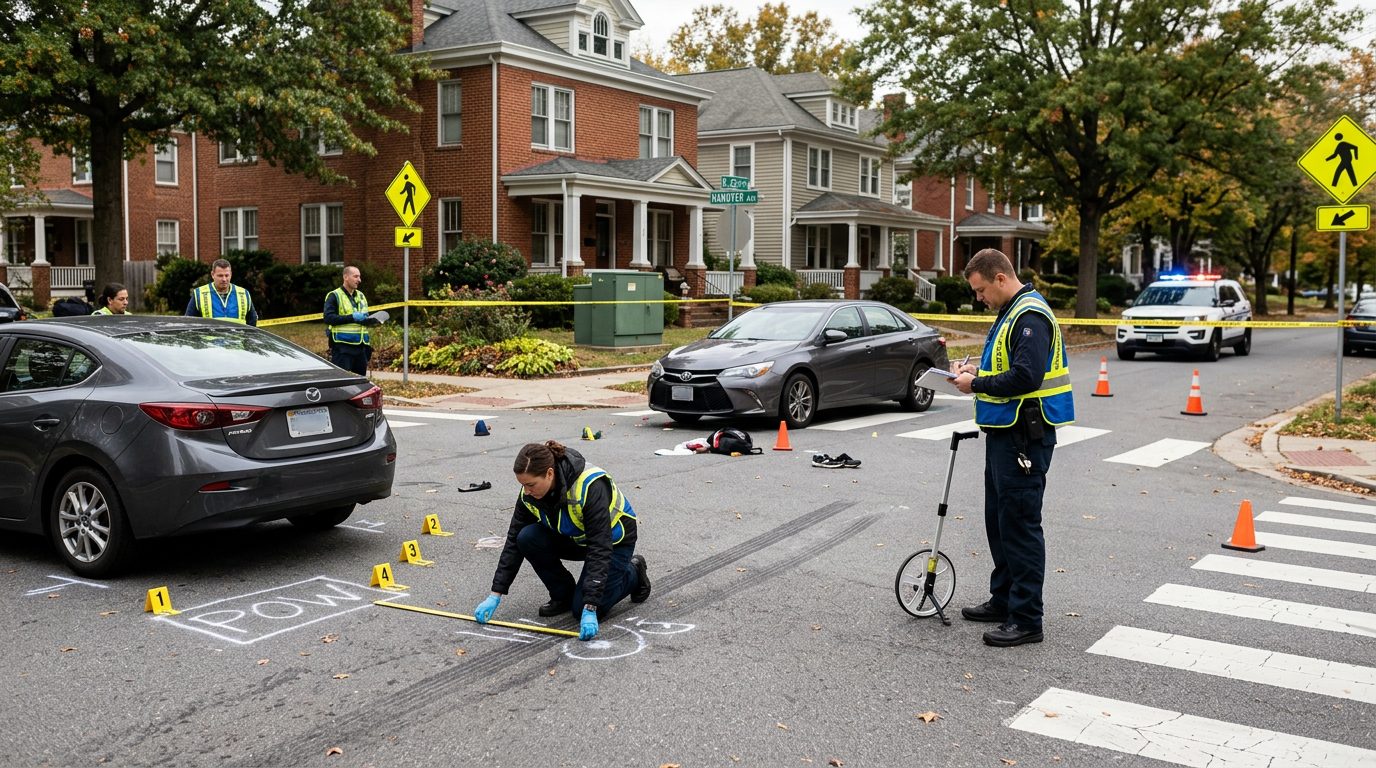
Common questions about brain injury crash claims
Short answers to the questions readers ask most are below.
Can I still file if my symptoms showed up days after the crash?
The Virginia Department of Health notes that symptoms can be delayed for hours or days. Raise timing questions early, because the clock runs from the date of injury.
Do I need a medical evaluation if I feel fine?
A medical check can document injuries that are not obvious. Emergency warning signs need care right away.
What if the other driver says I was partly at fault?
Partial fault can affect recovery in Virginia, and the facts decide how that rule applies.
Can a family file if a loved one died weeks after the crash?
The decedent’s personal representative files the wrongful death action, and the family shares in any recovery.
Is it worth talking with a lawyer after a serious crash?
You may wish to talk with a lawyer about your facts.