
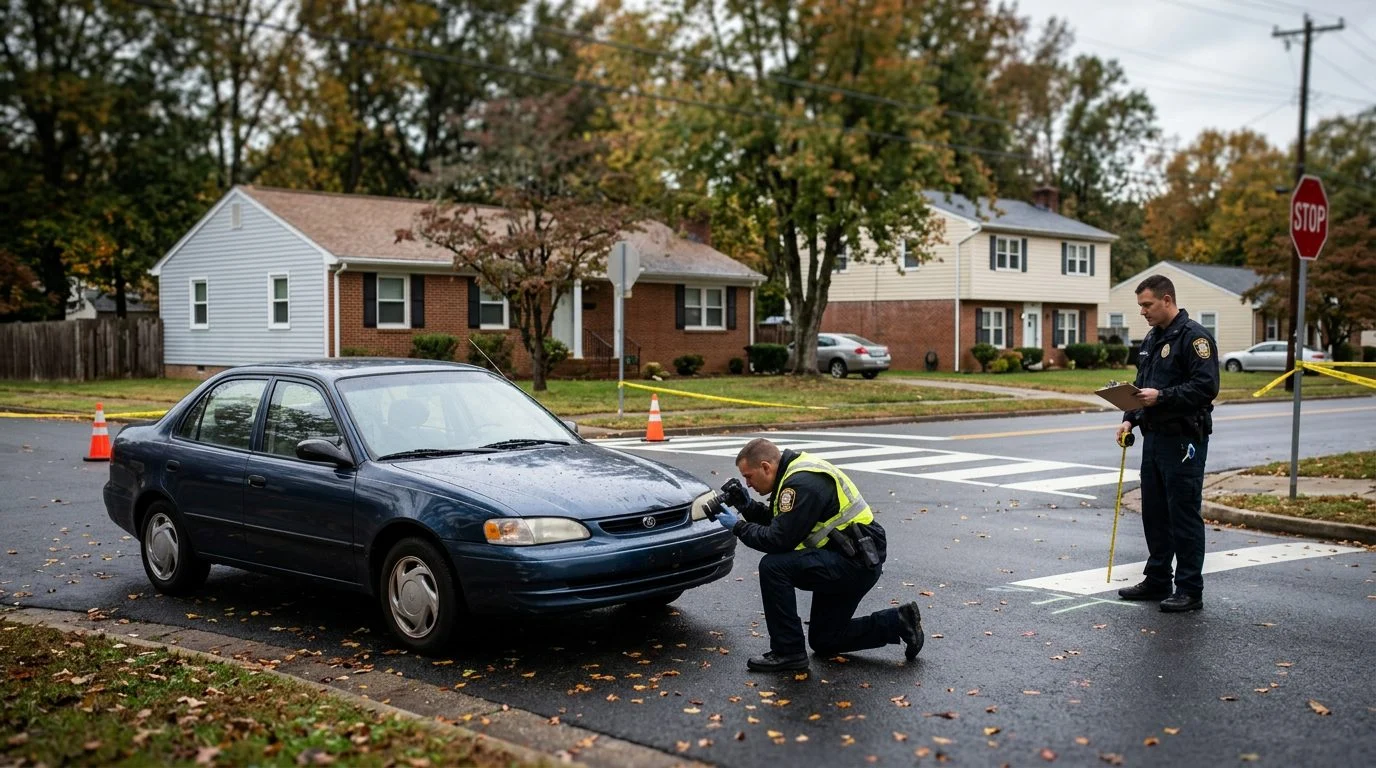
Traumatic Brain Injury | Winchester, Virginia
How a Diffuse Axonal Injury Happens, and Why It Can Be Easy to Miss
A plain-language look at the forces behind this serious brain injury and what families and injured people should keep in mind after a crash.
Published November 20, 2026
If a doctor has used the term diffuse axonal injury about someone you love, you may want to understand what it means. A diffuse axonal injury happens when the brain moves inside the skull fast enough to stretch and damage the long nerve fibers that carry signals between brain cells. This usually follows a sudden change in speed or a hard twisting of the head, such as in a crash.
Early scans can miss diffuse axonal injury, and medical teams look for specific signs of how the injury develops.
What a diffuse axonal injury is
A diffuse axonal injury is widespread damage to axons, the long fibers that send messages between nerve cells. Most of these fibers run through the white matter, the tissue that links different areas of the brain. When many of them are hurt at once, the injury spreads across the brain instead of staying in one area.
The word diffuse means scattered. Most brain bleeds and bruises sit in one area that a scan can point to. Diffuse axonal injury is different because the damage is spread out. The VA handout on brain injury describes it as a primary traumatic brain injury, meaning the damage comes from the force of the injury itself. The same handout lists subdural hemorrhage as another primary injury, so the two can occur together.
A PMC research review supports describing diffuse axonal injury as a form of traumatic brain injury, with its own biomechanics and pathology. For the wider picture of brain injuries after a car crash, see the firm’s page on traumatic brain injury from car and truck crashes.
Not sure what your next step is?
Talk it through with Correll Law Firm — we can walk you through how a situation like yours is usually handled and what your options are.
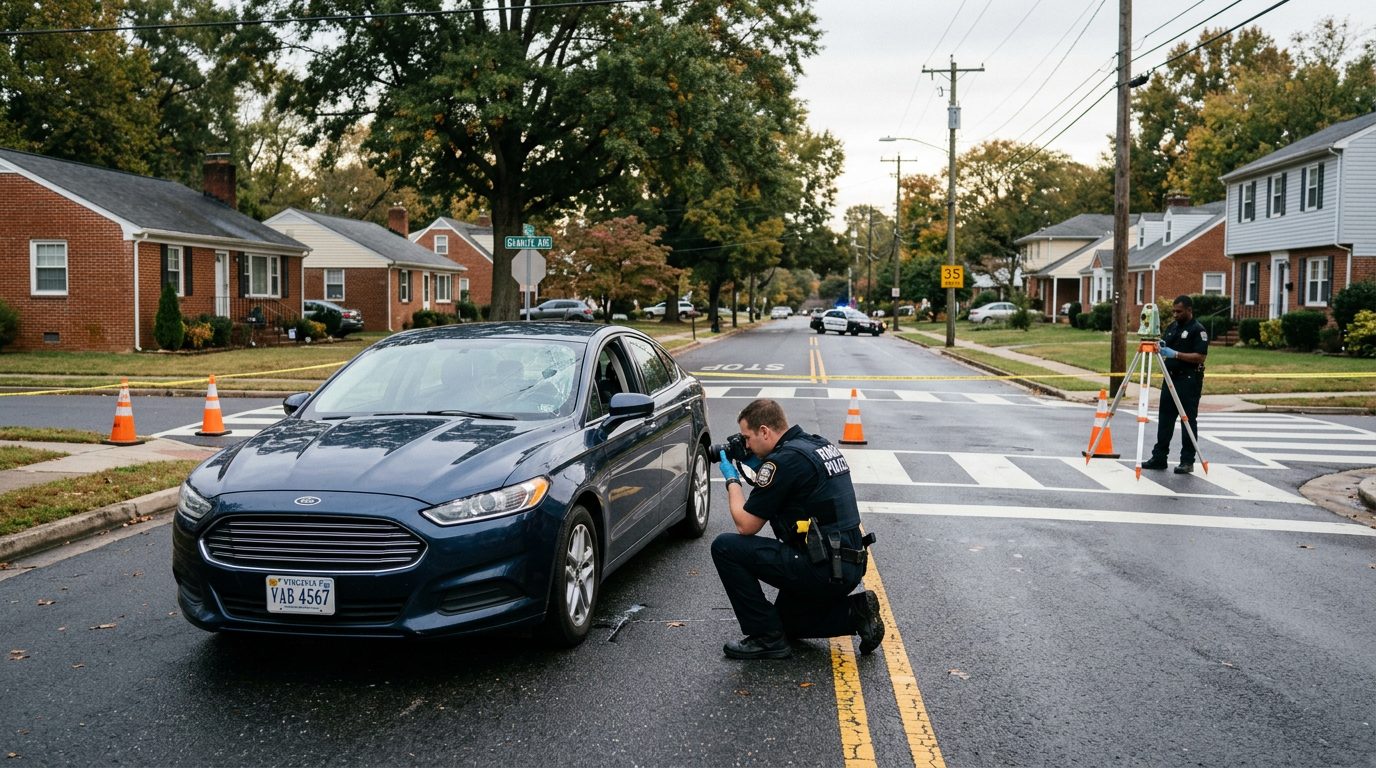
The forces that cause the injury: acceleration, deceleration and rotation
Diffuse axonal injury comes from sudden acceleration, sudden deceleration and rotation of the head. Each force matters, but rotation is the one most central to how the injury forms.
The brain floats in cerebrospinal fluid inside the skull. Because it is soft and floats, it doesn’t move at exactly the same rate as the bone around it. When the head speeds up or stops suddenly, the brain keeps moving for a moment. That difference strains the tissue, much like liquid sloshing in a cup when a car brakes hard.
The VA handout describes mechanisms that include brain shifting and axonal stretching. Those movements are what pull on the fibers.
When the head twists, the brain turns against the skull. Axons that cross these turning forces get stretched and sheared, somewhat like a sheet pulled from two directions at once. Fibers run in many directions, so the strain reaches many places at once.
How crashes and falls produce these forces
A crash can produce these forces when the body stops suddenly while the head keeps moving. The head doesn’t have to strike anything for the brain to shift inside the skull, which is why the injury can occur without a direct blow.
In a vehicle collision, the torso may be held by a seat belt while the head still snaps forward, back or sideways. Falls and blows to the head or body can create the same kind of movement.
Severity depends on the facts of each crash, including speed, direction of impact and how the head moved. Crashes involving large commercial vehicles can produce strong forces. The force in any one crash depends on its specifics, so no two crashes produce the same movement.
Highway crashes are one setting where these forces appear. For how the forces show up in car crashes, read the firm’s page on diffuse axonal injury in car crashes. For a truck crash on Interstate 81, see I-81 truck crash brain injury.
What happens to axons after the forces act
Stretching and shearing disrupt the internal structure of axons, and the damage can spread along a fiber. The fiber doesn’t need to snap in two for the injury to affect how signals travel.
Each axon relies on an internal transport system that moves materials between the cell body and the far end of the fiber. Stretching can interrupt that flow. The research review covers the pathological features of this injury.
Swollen sections of an axon can form bulb-like enlargements. Over time, some fibers may separate or be cut off from the cell body that supports them.
Many axons can be affected at once. That is why symptoms can touch several functions, such as thinking speed, memory, balance and coordination. Two people with the same type of injury can have different effects, because the number and location of damaged fibers differ from person to person.
Why early scans can miss it
Early CT scans can look normal, because the damage is tiny and spread across many areas. A standard CT is good at finding bleeds and large shifts, but it can miss scattered microscopic injury.
MRI can reveal more. Some MRI techniques, including diffusion tensor imaging and susceptibility-weighted imaging, look for small areas of axonal damage and tiny bleeds that CT may not show.
Timing and technique matter. A scan taken early may look different from one taken later. Medical providers read the images alongside symptoms and the injury history, so a first scan that looks normal doesn’t end the question.
Families who hear that a first scan looked normal may feel confused. Asking the medical team to explain the imaging and the timing of each test can help clarify what was seen. Each scan answers a different question, so the results need to be read together.
Signs that may point to diffuse axonal injury
After head trauma, a medical team may look closely at loss of consciousness, long confusion and reduced alertness. These early signs help the team decide which tests to order.
Symptoms can include slower thinking, memory trouble, headaches, dizziness and changes in mood or behavior. These signs overlap with other brain injuries, so symptoms alone don’t identify diffuse axonal injury. A research review on diffuse axonal injury covers the methods used to detect the injury.
A diagnosis comes from a medical provider. It combines a neurological exam, imaging and the injury history. The diagnosis may come after several tests, not at the scene of the crash.
Family members can add useful detail. Noticing how someone thinks, speaks or moves, and sharing those observations with the medical team, adds to the history the team uses.
Not sure what your next step is?
Talk it through with Correll Law Firm — we can walk you through how a situation like yours is usually handled and what your options are.

Recovery and long-term effects
Recovery after diffuse axonal injury varies from person to person. Outcomes depend on how many axons were affected, where the damage sits, the person’s age and health, and the care received.
Some people improve over months as the brain adapts. Others have lasting changes in thinking, emotion or physical movement. Rehabilitation planning usually starts with a clear picture of the person’s strengths and needs.
Medical teams may use cognitive therapy and physical therapy to build skills and adjust daily routines. These tools aim to help, but results differ, and no therapy can promise a particular outcome.
Can diffuse axonal injury show up on a CT scan?
It can be hard to see on a standard CT scan because the damage is small and spread out. MRI techniques may reveal more.
Is diffuse axonal injury a form of traumatic brain injury?
Yes. A research review describes it as a form of traumatic brain injury with its own mechanism and pathology.