
Crash Reports | Virginia
Getting a Virginia Crash Report After a Brain Injury
A plain-language guide for families across the Shenandoah Valley, Richmond and Henrico County who are piecing together a crash while a loved one recovers.
Where the firm works
2
Offices, in Winchester and Harrisonburg
Virginia
Serving communities from the Shenandoah Valley to Richmond and Henrico County
Published November 21, 2026
After a serious crash, the police report is often one of the first records people ask about. When the crash also caused a brain injury, getting it can feel harder, because memory of what happened may be unclear.
Yes, a Virginia police crash report can usually be requested after a brain injury crash. You can ask the investigating law-enforcement agency or the Virginia Department of Motor Vehicles (DMV). This page explains who may ask, how the request works, what the report shows, and which deadlines may apply.
Why the Police Crash Report Matters After a Brain Injury
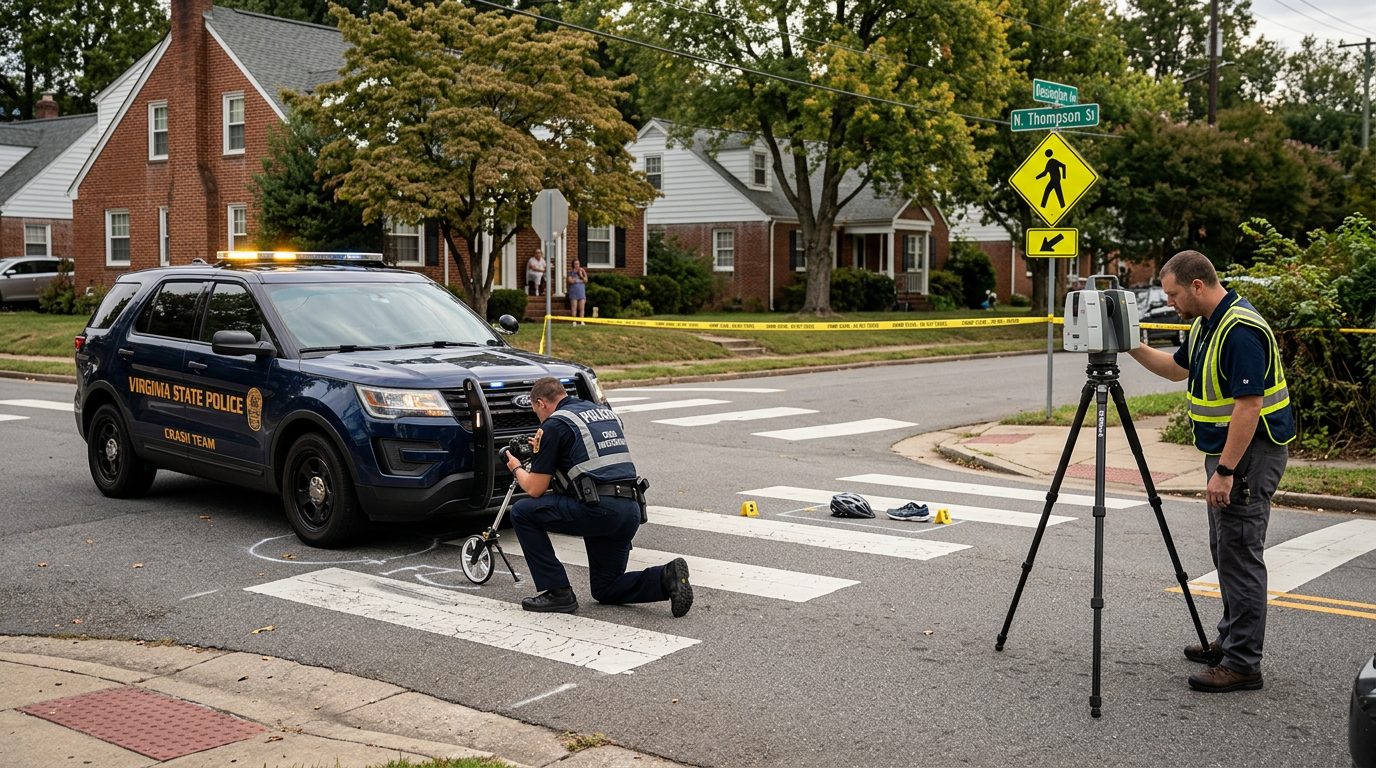
The police crash report is the official written record of a crash. The investigating agency creates it at the scene or soon after.
A traumatic brain injury can change how well a person remembers a crash. The order of events, the traffic around the vehicles, and the minutes before impact may be unclear or missing. A written record made close to the time of the crash gives the injured person and family a fixed set of facts to work from.
The report does not replace memory, but it helps keep the details straight while medical care continues. Families also rely on it when a loved one cannot speak for themselves after a severe injury. For a wider view of these claims, read the firm’s overview of traumatic brain injury crash claims in Virginia.
Not sure what your next step is?
Talk it through with Correll Law Firm — we can walk you through how a situation like yours is usually handled and what your options are.
Who Can Request a Virginia Crash Report
The Virginia DMV’s page on requesting a police crash report names who may obtain a copy, so it is the place to start.
Requests can go to the DMV or to the investigating agency, as the next section explains.
The report may not be ready the day after the crash, so it can help to ask early. Family members should also have the crash date, place, and vehicle details ready before they ask. Brain injuries can make those details hard to recall, so write down what you know as soon as you can.
How to Get the Police Crash Report from Virginia DMV or the Investigating Agency
You can request the report from the Virginia DMV or from the law-enforcement agency that investigated the crash. Gather the details first.
Start with the basics: the date and exact location of the crash, and the names of the drivers involved. Then identify the investigating agency. It can be the Virginia State Police, a county sheriff’s office, or a town or city police department.
The crash report number, if you have it, helps the agency find the right file. Accurate details help whichever route you choose. Use the Virginia DMV request page for the official steps.
Write down each step as you go, with dates and the names of the people you spoke with. A clear log makes follow-up easier if the first request stalls.
What the Report Can Show and What It Cannot Show
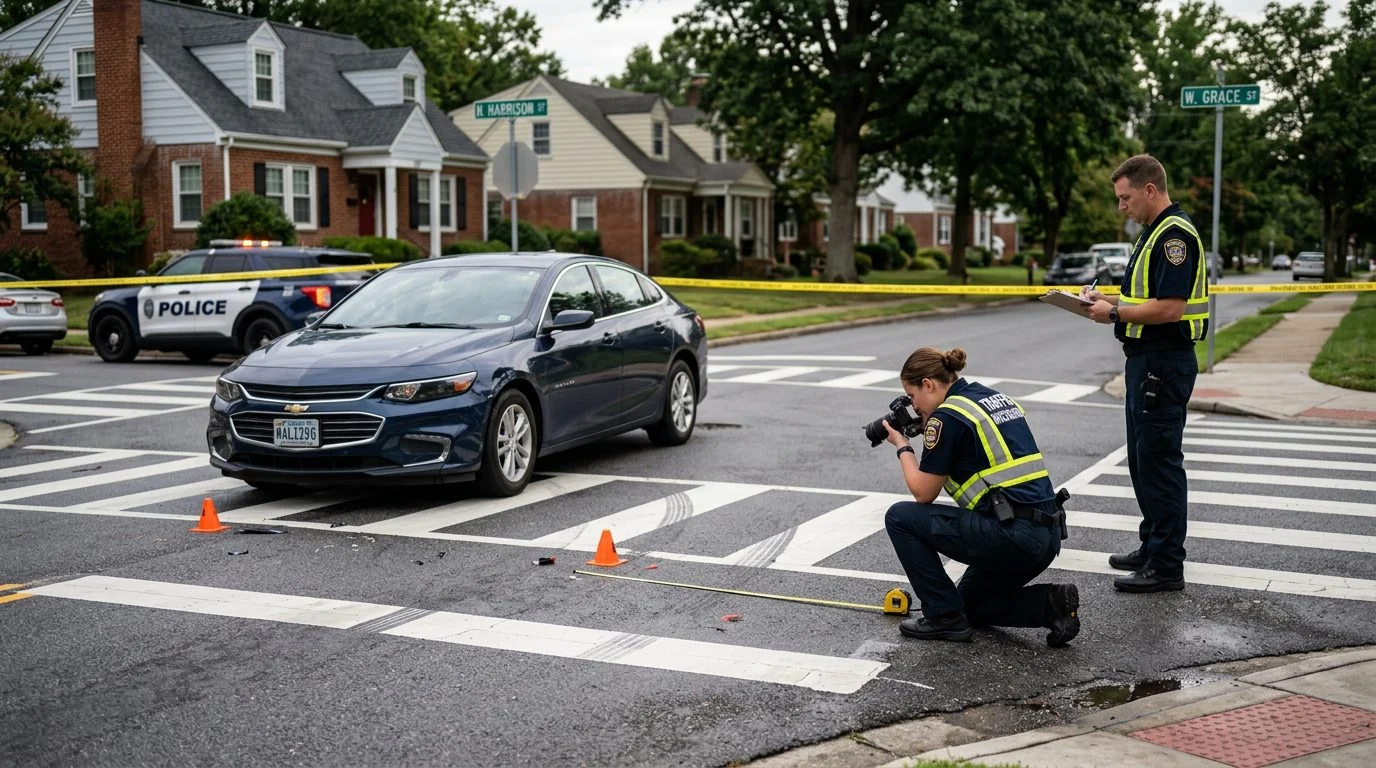
A crash report records what the investigating officer observed and collected at the scene. It usually lists the date, time, and location of the crash, the vehicles involved, and the road and weather conditions. It may also include officer observations and witness information where recorded.
Those details help frame the timeline. They do not show the full impact of a brain injury.
A report does not replace medical records, imaging scans, or the injured person’s own account. Medical records show diagnosis and treatment. Changes in memory, mood, and concentration are usually described by the injured person and the people around them, not by a crash report.
The report also does not decide who was at fault. Fault is a legal question that depends on evidence from many sources. Virginia’s partial-fault rule makes this especially important: Virginia follows contributory negligence: if you are found even partly at fault, you may be barred from recovering, with limited exceptions (Williams v. Harrison, 255 Va. 272 (1998)). Talk to a lawyer about your facts.
Crash Reporting Duties and Filing Deadlines in Virginia
Virginia sets a duty to report a crash to police right away. Separately, it sets a deadline to file a lawsuit. Keeping the two apart helps.
Virginia requires a driver involved in a crash with injury or death to stop and report it to police immediately (Va. Code §§ 46.2-371, 46.2-894). The notice duty is stated in Va. Code § 46.2-371.
Virginia generally allows two years from the date of injury to file a personal injury lawsuit (Va. Code § 8.01-243(A)); the clock runs from the date of injury, not the date of discovery, with narrow exceptions.
A negligence claim against a county, city, or town is forever barred unless a written statement of the nature of the claim, including the time and place of the injury, is filed with the locality’s attorney, chief executive, or mayor within six months after the claim arose (Va. Code § 15.2-209). Failure to file that statement does not bar the claim if the locality’s attorney, chief executive, or mayor, or an insurer or other entity covering the claim, had actual knowledge of the claim, including its nature and the time and place of the injury, within that six-month period, and the tolling provisions of Va. Code § 8.01-229 apply if the claimant was under a disability when the cause of action accrued. The statute has exceptions, so the timing depends on the facts.
The injured person may wish to speak with a lawyer about the deadlines that apply to their own facts.
Organizing Records for a Brain Injury Crash Claim
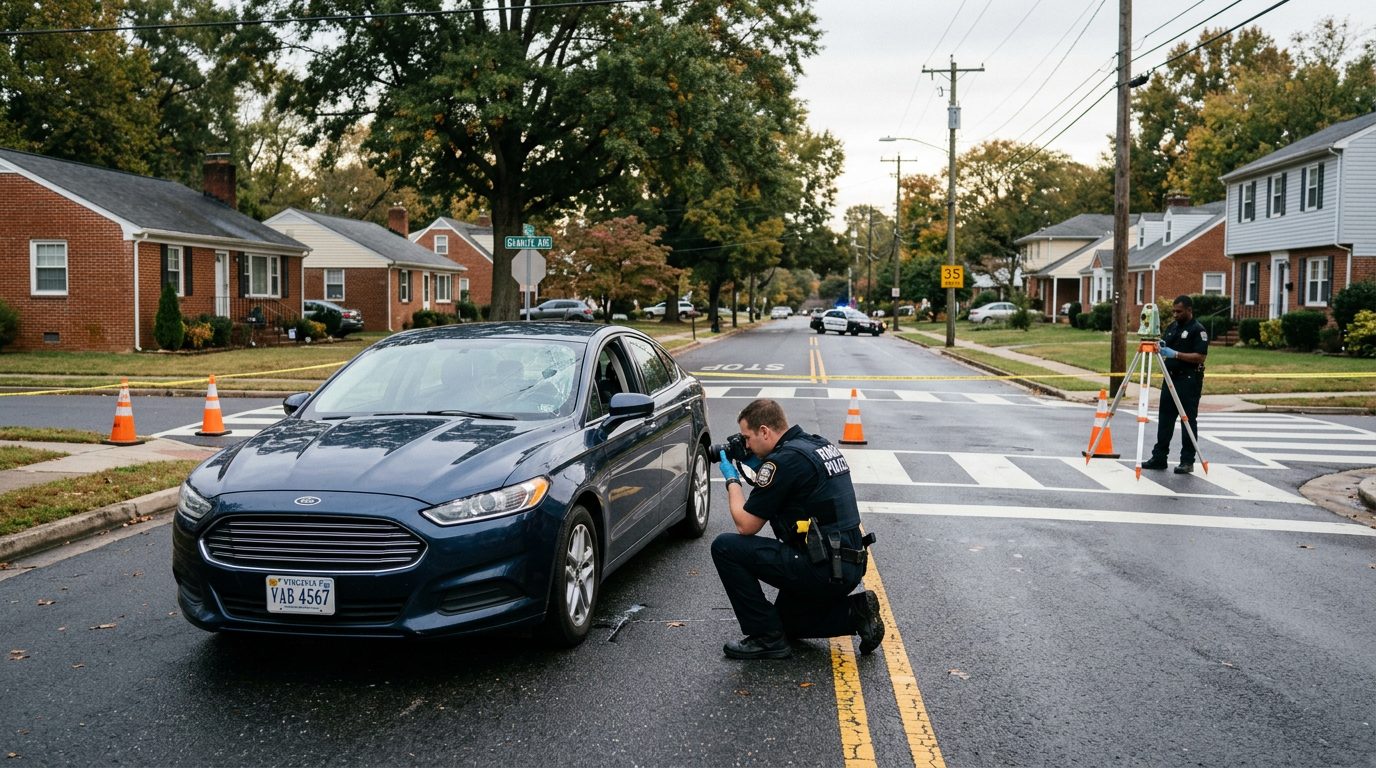
Keep the crash report with the other records of the crash and recovery, in one place. A single file makes the timeline easier to follow.
Useful records include the crash report, photographs taken at the scene, insurance letters, medical records, notes from work about missed days, and a symptom journal. Keep copies of every letter, and write down the date each one arrived.
A symptom journal can be simple. Record the date and any headaches, memory lapses, trouble concentrating, sleep changes, or mood changes. Brain injury symptoms can shift from week to week, so dated notes matter.
Over time, the journal shows a treating physician how symptoms changed. It also gives anyone reviewing the claim a clear pattern. Write each entry as a fact you observed, not a guess.
In short, the crash report is an official record that helps keep the facts straight. It can be requested from the Virginia DMV or the investigating agency, and the deadlines above apply.