
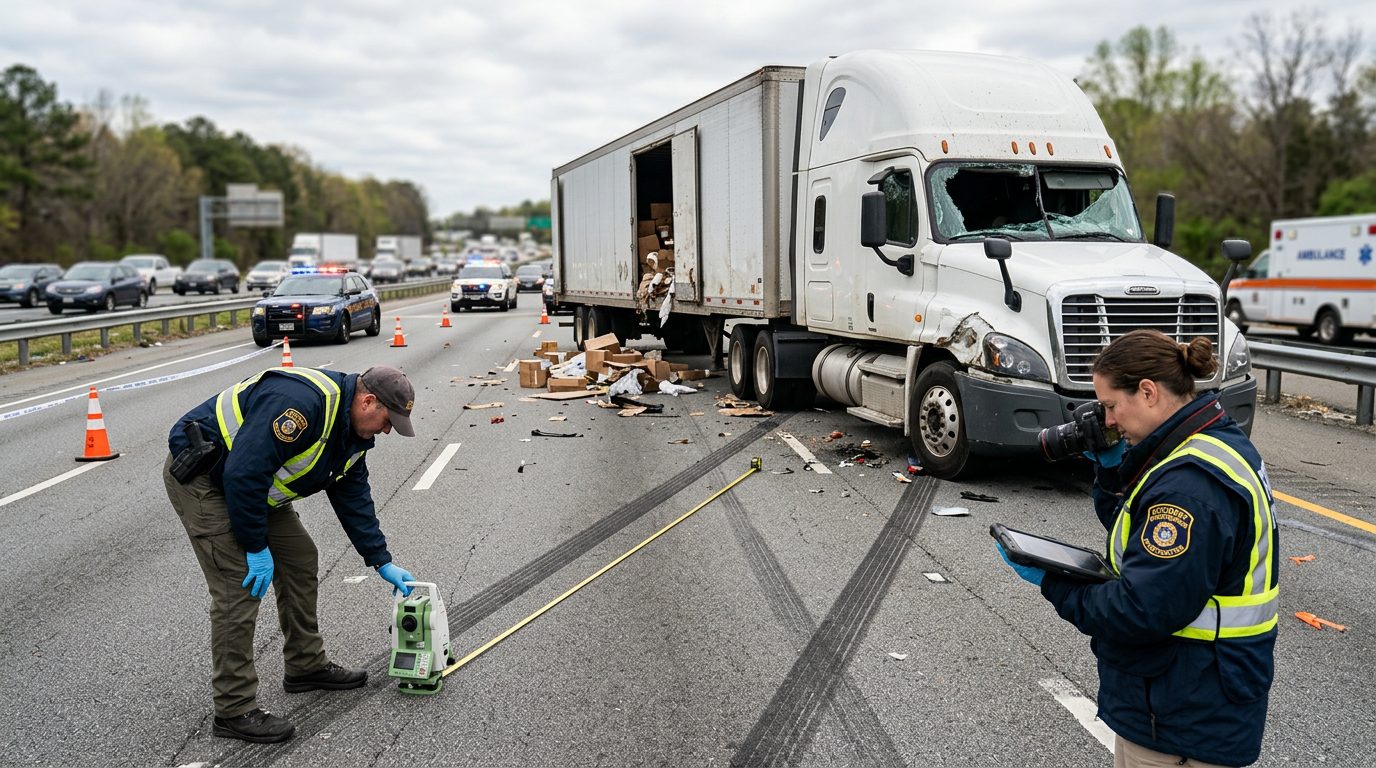
Truck Accidents | Virginia
Suing a Trucking Company After a Virginia Truck Crash
How a lawsuit against a trucking company can work, who may be named, and how the firm handles serious injury and wrongful death cases from commercial truck crashes.
Published October 27, 2026
How do I sue a trucking company after a crash? In Virginia, a lawsuit against a trucking company may be possible after a truck crash, but the answer depends on the facts. This guide explains who may be named, what a lawsuit may seek, and which records and dates often come up.
This is general information, not advice about your situation. If you were hurt, or someone you love was hurt or killed, you may be dealing with pain, grief and many unknowns at once. You don’t have to sort everything out today.
Who Can Be Named in a Lawsuit After a Truck Crash?
A lawsuit may name the driver, the trucking company, or another party. The right defendants depend on who did what and who controlled the truck.
Trucks are heavy, and that weight matters in a crash.
The driver is the person behind the wheel. A driver may be named as a defendant, and whether a driver is personally responsible depends on the facts.
The trucking company is the business that operated the truck. The industry often calls it the motor carrier. Whether it can be named depends on its legal relationship with the driver and the truck.
Employment questions matter too. A company may be held responsible for a driver’s careless work in some situations. That often turns on whether the driver was working for the company at the time, and who controlled the work.
Some drivers are independent contractors rather than employees. That status can change who is named and which records matter.
Other businesses, such as cargo loaders or maintenance providers, may be reviewed on the facts. None is responsible just because it was involved.
For a broader overview, read the firm’s truck accident claims overview.
If a commercial truck crash hurt you or someone you love, you may have questions about a claim, and the firm is glad to talk them through. Talk it through with Correll Law Firm — we can walk you through how a situation like yours is usually handled and what your options are.

What Can You Sue a Trucking Company For?
A lawsuit may seek money for losses the crash caused. Those losses can include medical care, lost income, and the effects of an injury on daily life. Which losses fit a specific claim depends on the facts.
When a death is involved, Virginia law lists the categories a wrongful death claim may cover. Virginia wrongful death damages cover the family’s sorrow, mental anguish and loss of the decedent’s companionship, guidance and care; lost income and services; medical expenses from the injury; funeral expenses; and, for willful or wanton conduct, punitive damages (Va. Code § 8.01-52).
Punitive damages are a separate question. Virginia allows punitive damages for actual malice, or for willful or wanton conduct or recklessness showing a conscious disregard for the safety of others, capped at $350,000 (Va. Code § 8.01-38.1).
How much can you sue a company for? General information can’t predict an amount. Each claim turns on its own facts, and no one can promise a particular figure.
How Is Fault Decided in a Truck Crash Lawsuit?
Fault is usually decided on the facts, and those facts come from evidence, witnesses and records. Negligence is the word lawyers use for careless conduct that causes harm. Whether it applies depends on what actually happened.
Virginia follows contributory negligence: if you are found even partly at fault, you may be barred from recovering, with limited exceptions. Talk to a lawyer about your facts.
Under Virginia’s contributory negligence rule, the defense may argue that the injured person was even partly at fault, and that argument may bar recovery, with limited exceptions (Williams v. Harrison, 255 Va. 272 (1998)).
A common mistake is giving a written account of who caused the crash before the facts are clear. Early statements can be read later in ways the writer did not intend.
What Evidence Does a Trucking Lawsuit Often Involve?
Records kept by the trucking company are often central to these cases. Many of them are not in the driver’s hands, so they may be out of reach without a formal request.
Virginia requires a driver involved in a crash with injury or death to stop and report it to police immediately (Va. Code §§ 46.2-371, 46.2-894).
Records a lawyer may review include driver logs, hours-of-service records, maintenance and inspection files, driver qualification and training files, cargo securement records, and electronic data from the truck.
Federal rules require motor carriers to have drivers record their duty status for each 24-hour period. They also bar false reports about that status (49 C.F.R. § 395.8).
Federal rules also allow carrier records to be kept with any technology that accurately reflects all of the information in the record and remains accessible in a form that can be accurately reproduced later for reference (49 C.F.R. § 379.7).
How Long Do You Have to File a Lawsuit?
The filing deadline is one of the most important dates in any injury claim. It is set by statute.
Virginia generally allows two years from the date of injury to file a personal injury lawsuit (Va. Code § 8.01-243(A)). The clock runs from the date of injury, not the date of discovery, with narrow exceptions.
Some claims carry notice requirements that run out sooner.
Reporting a crash to police and filing a lawsuit are separate steps with separate dates. Many people wait to look at deadlines until treatment ends. By then, the clock may already be running.
When a Death Is Involved: Wrongful Death Claims
When a truck crash causes a death, a wrongful death action may be possible under Virginia law. A Virginia wrongful death action is filed by the decedent’s personal representative within two years of the death (Va. Code §§ 8.01-50(C), 8.01-244(B)), on behalf of the family members the statute protects.
They share in any recovery, and the statute sets out who qualifies. Under Va. Code § 8.01-53, the group of beneficiaries is fixed when the verdict is entered if the jury makes the specification, or when the judgment is rendered if the court specifies the distribution.
Families often face funeral planning, grief and paperwork at the same time. Keeping copies of medical and funeral records from the start can help later.
Not sure what your next step is?
Talk it through with Correll Law Firm — we can walk you through how a situation like yours is usually handled and what your options are.
How a Lawsuit Against a Trucking Company Generally Proceeds
A case usually starts with gathering facts and records. A claim may then be presented to the insurer, and a court filing may follow if the claim does not resolve.
In court, the sides exchange records and sworn testimony in a stage called discovery. Motions may be argued along the way. The case may end in a settlement or a trial.
Not every claim reaches a courtroom. General information can’t predict how a particular case will unfold.
The firm’s offices are in Winchester and Harrisonburg. It serves people across the Shenandoah Valley, and in Richmond and Henrico County.
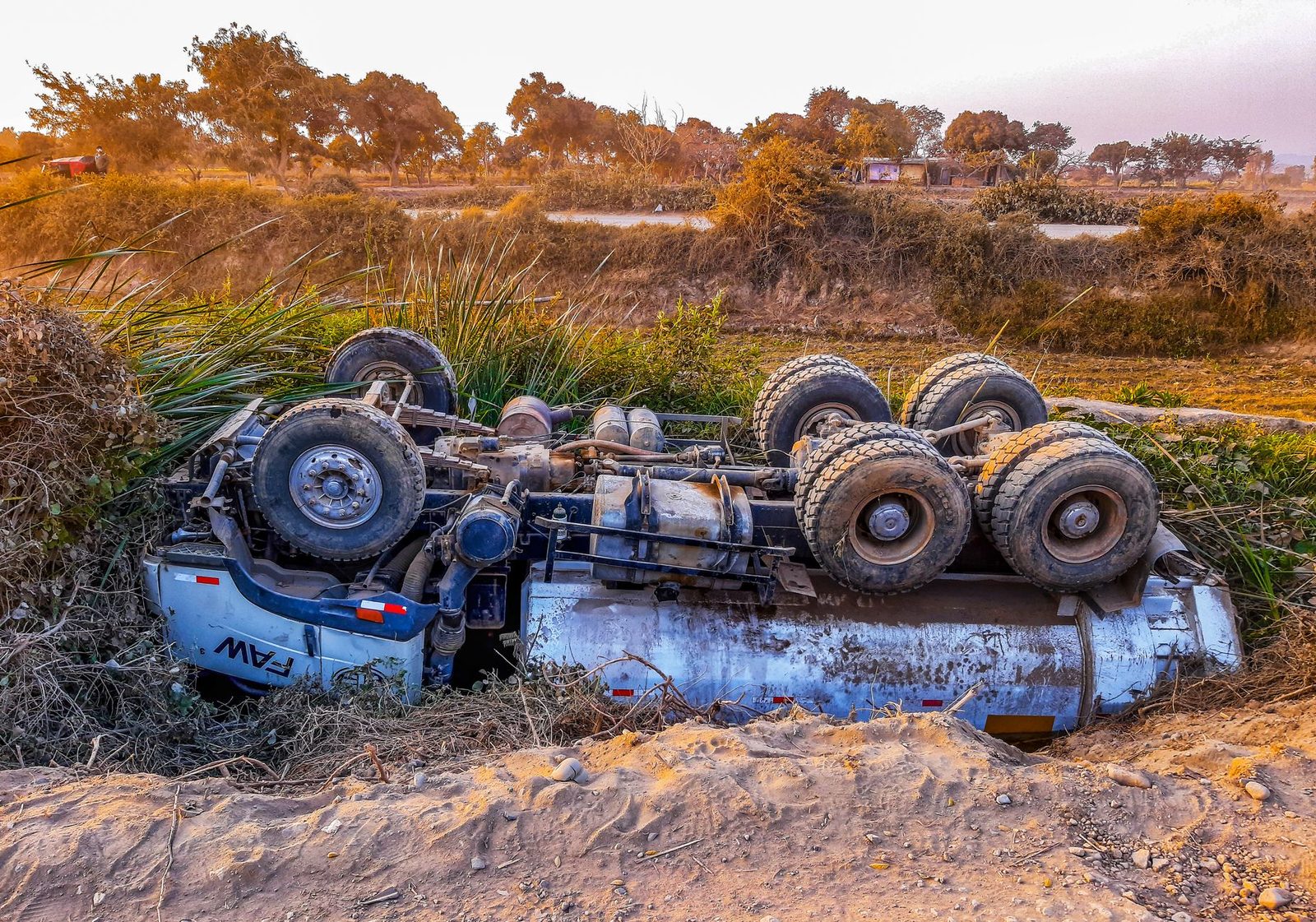
When Is It Worth Talking With a Lawyer?
It may be worth talking with a lawyer when a commercial truck was involved and you’re unsure who may be responsible. That’s especially true after a serious injury, a death, or when the truck’s ownership or the driver’s employment is unclear.
A lawyer may help you sort out the facts, the dates and the records that matter in your situation. You don’t have to answer every question at once.
Frequently Asked Questions
Can the driver be sued too?
A driver may be named in some cases. Whether a driver is named depends on the facts of the crash.
Can you sue a trucking company based in another state?
A lawsuit may be possible against an out-of-state trucking company. Where a case can be filed depends on the facts.
What should I do first after a truck crash?
Getting medical care is a sensible first step. Keep records of your medical visits, and write down what you remember while it’s fresh.