
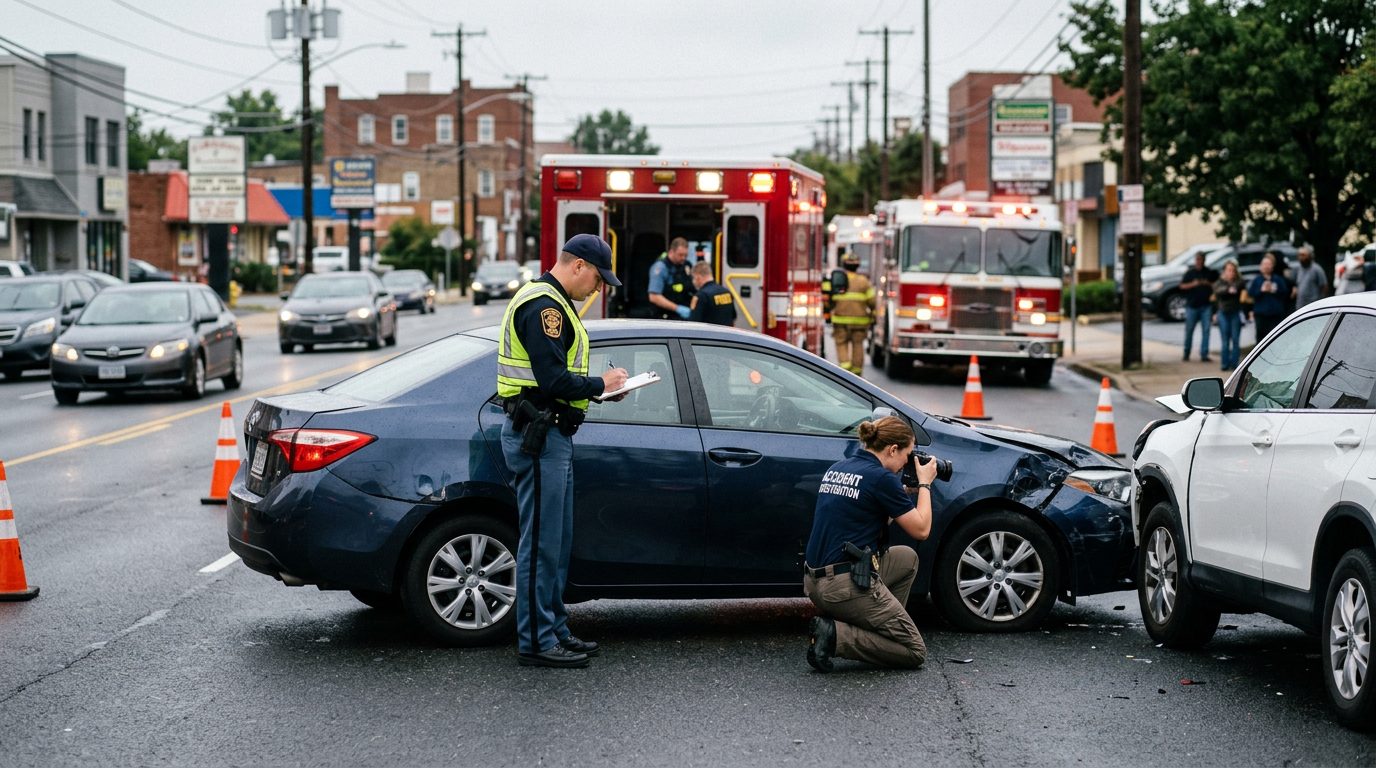
Car Accidents | Virginia
Car Accident Settlement Value in Virginia: What Determines It
A plain-language guide from Correll Law Firm to the factors people often ask about after a crash on Virginia roads.
Published October 18, 2026
What Is the Average Settlement for a Car Accident in Virginia?
There is no single “average” settlement for car accidents in Virginia. Settlement amounts depend on the specific facts of each crash—the severity of injury, medical expenses, lost income, clarity of fault, and the at-fault driver’s insurance limits. Publishing a one-size-fits-all number would mislead you about what your claim is worth.
This page explains the real factors that determine settlement value and how the process works in Virginia.
If you've been injured in a car crash and are trying to understand what your claim might be worth, a free case evaluation can help you see how the specific facts of your accident affect your recovery. Talk it through with Correll Law Firm — we can walk you through how a situation like yours is usually handled and what your options are.

Why “Average” Settlement Numbers Are Misleading
Insurance settlement databases and some law firm websites publish wide ranges for car accident claims. These figures create false expectations because they ignore the enormous variation in accident circumstances.
A minor soft-tissue injury with modest medical bills settles very differently than a traumatic brain injury with years of treatment, lost wages, and permanent cognitive effects. The same is true for spinal cord injuries that cause lifelong disability.
Settlement value is not determined by a formula or an industry average. It’s determined by what your specific injury cost you, what you lost, and how clearly the other driver was at fault.
Key Factors That Determine Your Settlement Value
Severity of Injury
The nature and extent of your injury is the foundation of settlement value. A broken arm that heals in six weeks is not worth the same as a traumatic brain injury or spinal cord damage that affects you for life.
Serious injuries justify higher settlements because they involve:
- Longer medical treatment and recovery time
- Permanent disability or chronic pain
- Reduced earning capacity or inability to work
- Ongoing care, therapy, or medical equipment
- Reduced quality of life
Medical Expenses
Documented medical costs form the baseline of most settlements. This includes:
- Emergency room and hospital bills
- Doctor visits and specialist consultations
- Physical therapy and rehabilitation
- Prescription medications
- Diagnostic imaging (X-rays, MRI, CT scans)
- Medical equipment and devices
- Home health care or nursing services
Your medical records prove the injury and its cost. Insurance companies use these records to evaluate your claim.
Lost Wages and Earning Capacity
If the injury forced you to miss work during recovery, keep pay records and notes of the time you missed. If the injury causes permanent disability that changes your work capacity, keep medical records that document how your ability to work has changed.
If your employer or another source reimbursed you during your absence, keep records of those payments so the firm can review them with you.
Liability and Fault
How clear the other driver’s responsibility is affects settlement leverage. If the other driver ran a red light or rear-ended you, liability is obvious and the insurance company has little room to dispute it. If liability is contested—for example, if both drivers claim the other was at fault—settlement negotiations take longer and may require investigation or expert testimony.
Virginia follows contributory negligence: if you are found even partly at fault, you may be barred from recovering, with limited exceptions (Contributory negligence bars recovery in Virginia). Talk to a lawyer about your facts.
Insurance Policy Limits
The at-fault driver’s insurance policy sets a ceiling on what you can recover from their insurer. If your damages are higher than that policy limit, you can only recover up to the limit from that policy (though you may have other avenues, such as your own uninsured or underinsured motorist coverage).
Pain, Suffering, and Quality of Life
Injuries can affect daily life in many ways, including physical discomfort, emotional distress, and a reduced ability to enjoy everyday activities. These non-economic losses are harder to put a number on than medical bills, which is why careful records matter.
The Settlement Process in Virginia
Most car accident claims follow a predictable path:
Step 1: Report the Crash
Virginia requires a driver involved in a crash with injury or death to stop and report it to police immediately (Va. Code §§ 46.2-371, 46.2-894). File a report with your own insurance company as well.
Step 2: Seek Medical Treatment
Get evaluated by a doctor, even if you don’t feel injured. Some injuries, like whiplash or internal injuries, don’t show symptoms immediately. Medical records document the injury and establish the connection to the crash.
Step 3: Gather Evidence
Collect the police report, photos of vehicle damage, witness contact information, medical records, and receipts for medical expenses and lost wages. This documentation supports your claim.
Step 4: Submit a Demand
Your attorney (or you, if handling it yourself) sends a demand letter to the at-fault driver’s insurance company. The demand summarizes the injury, medical treatment, expenses, lost income, and the amount you’re seeking.
Step 5: Negotiate
The insurance company responds with a counteroffer. Most cases settle through negotiation. If the parties cannot agree, the case may proceed to litigation and trial, though this is less common.
Timeline
Settlements can take weeks for minor injuries with clear liability, or months to over a year for serious injuries or disputed fault. The more severe the injury and the more complex the facts, the longer settlement typically takes.
How Long Do You Have to File a Claim?
Virginia generally allows two years from the date of injury to file a personal injury lawsuit (Va. Code § 8.01-243(A)); the clock runs from the date of injury, not the date of discovery, with narrow exceptions.
Don’t wait until the last moment; early action preserves evidence and gives you time to negotiate.

Common Questions About Car Accident Settlements
Can I recover if I was partly at fault?
The Liability and Fault section above explains Virginia’s rule on partial fault. You may wish to discuss how that rule applies to your facts with the firm.
What if the other driver was uninsured?
If the at-fault driver had no insurance, you may be able to recover through your own uninsured motorist coverage, if you have it. This is another reason to review your own policy after a crash.
Do I need a lawyer?
For minor injuries with clear liability and low medical costs, you may handle the claim yourself. For serious injuries, disputed fault, or insurance company resistance, some people choose to speak with a lawyer early in the process. A lawyer handles negotiation, investigation, and litigation if needed.
How much will a lawyer cost?
No attorney’s fee unless we win. Clients may remain responsible for costs accrued in the case.
If you’ve been injured in a car crash, the specific facts of your accident are what matter most in understanding your situation.