
Winchester, Virginia | Car and Truck Claims
Car and Truck Claims in Virginia: Understanding the Basics
Published November 3, 2026
A Virginia car, truck or wrongful death claim follows set legal rules and deadlines. Knowing the basics can help you see where your claim stands. This guide explains the main points in plain words. The firm handles car accidents, truck and commercial vehicle accidents, catastrophic injuries and wrongful death cases, with offices in Winchester and Harrisonburg. Readers across the Shenandoah Valley, Richmond and Henrico County can review the same Virginia rules. Anyone hurt in a crash may want to understand these basics before speaking with a personal injury attorney.
How Virginia Car Accident Claims Are Handled From the Start
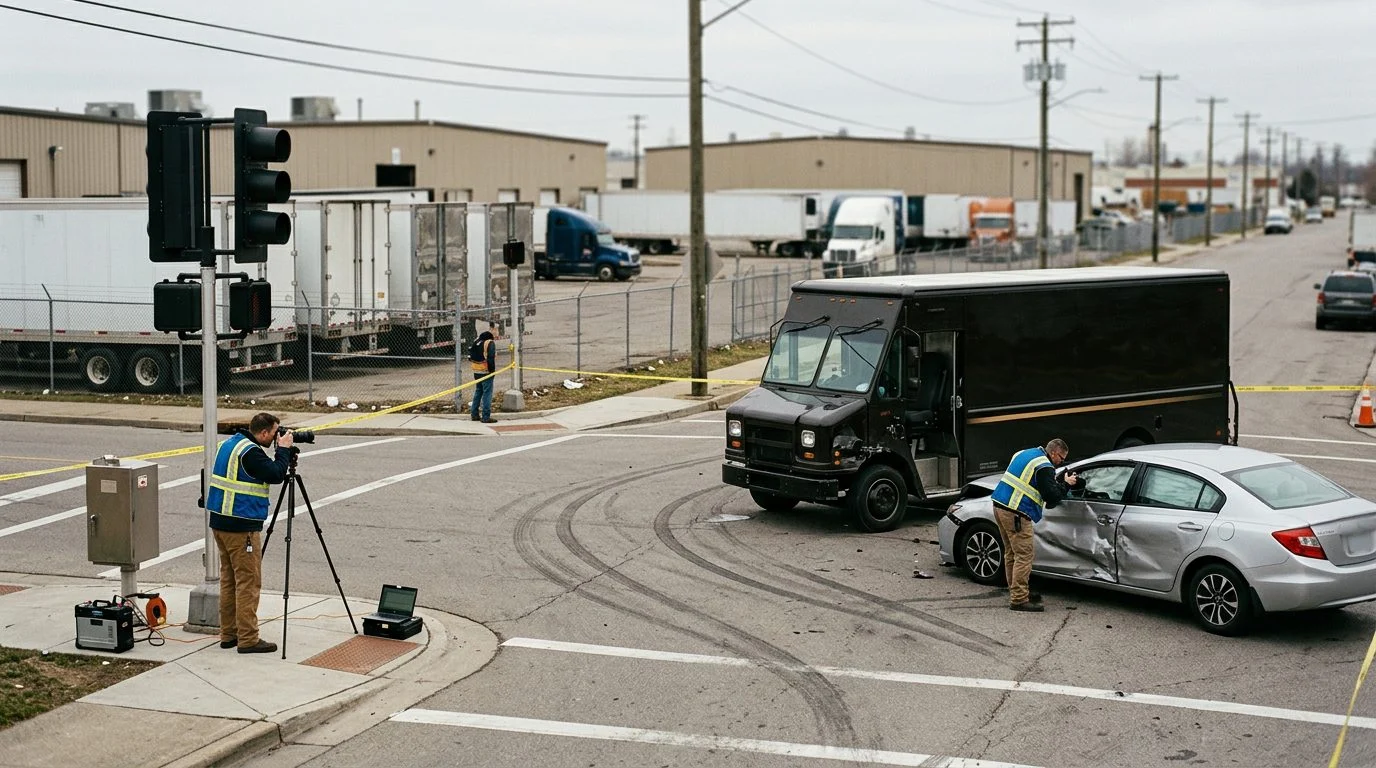
A Virginia car accident claim usually moves through a few steps: reporting the crash, gathering evidence, filing an insurance claim, negotiating and, only if needed, filing a lawsuit. The path depends on the injuries and the facts of the crash.
Early records do most of the work. The police report, medical records, photos of the vehicles and scene, and names of witnesses show who was involved and what happened. Injury details matter too. A diagnosis made days after a crash still needs clear records that link it to the collision.
More than one insurance policy can come into play. The injured person’s own policy and the other driver’s liability coverage may both be part of the picture. Insurers often ask for recorded statements early. A person may wish to talk with a personal injury attorney before giving one.
If you were hurt in a crash or lost a family member in one, you may have a claim, and the firm is glad to talk through the facts with you. Talk it through with Correll Law Firm — we can walk you through how a situation like yours is usually handled and what your options are.

What Virginia Requires After a Crash With Injury
Virginia requires a driver involved in a crash with injury or death to stop and report it to police immediately (Va. Code §§ 46.2-371, 46.2-894). The same statute also requires reasonable help for anyone hurt, as set out in Va. Code § 46.2-894.
Reporting a crash is a separate duty from filing a lawsuit. The two-year period discussed below is the deadline to file a lawsuit, not the deadline to report a crash (Va. Code § 8.01-243).
After the scene clears, a few steps help build a clear record. Take photos of the vehicles, roads, signs and visible injuries. Keep every medical visit note and bill. Write down what each driver said while memory is fresh.
How Long Do You Have to File a Virginia Personal Injury Lawsuit?
Virginia generally allows two years from the date of injury to file a personal injury lawsuit (Va. Code § 8.01-243(A)); the clock runs from the date of injury, not the date of discovery, with narrow exceptions. The rule is stated in Va. Code § 8.01-243.
The lawsuit deadline and notice deadlines are separate. Each one runs on its own terms, so the dates in a claim are worth reviewing early.
Who Can Bring a Virginia Wrongful Death Claim
A Virginia wrongful death action is filed by the decedent’s personal representative within two years of the death (Va. Code §§ 8.01-50(C), 8.01-244(B)), on behalf of the family members the statute protects. The filing rules are in Va. Code § 8.01-244.
Family members do not file the case themselves. They share in the recovery. Va. Code § 8.01-53 lists the beneficiaries, starting with the surviving spouse and children of the deceased. Under Va. Code § 8.01-53, parents of the decedent may share in a wrongful death award in several situations, but a parent whose parental rights and responsibilities were terminated by a court or under a permanent entrustment agreement with a child welfare agency is not eligible. These include when, within the 12 months before the death, they regularly received support or services from the decedent for necessaries and the decedent left a surviving spouse, children, or children of a deceased child. They also include when the decedent left a surviving spouse and parents but no child or grandchild. If there is no surviving spouse or child, the award may go to parents, brothers and sisters, and to certain other relatives who were primarily dependent on the decedent and lived in the same household. Later groups can include parents, brothers and sisters, depending on who survives.
A commercial truck crash can lead to a wrongful death claim just as a passenger car crash can. The family rules stay the same. What changes is the set of parties and records a truck case may involve, such as driver logs and company records.
What Wrongful Death Damages Can Cover in Virginia
Virginia wrongful death damages cover the family’s sorrow, mental anguish and loss of the decedent’s companionship, guidance and care; lost income and services; medical expenses from the injury; funeral expenses; and, for willful or wanton conduct, punitive damages (Va. Code § 8.01-52).
Under Va. Code § 8.01-52, wrongful death damages include compensation for reasonably expected loss of the decedent’s income, and survival of the decedent’s own claim is addressed separately in Va. Code § 8.01-25. Va. Code § 8.01-25 provides that causes of action survive the death of the person in whose favor they existed. Va. Code § 8.01-25 reads: “Provided that in such an action punitive damages shall not be awarded after the death of the party liable for the injury.”
Records help show these losses. Keep medical bills, funeral receipts, pay records and notes about the household help the decedent provided. Clear records make each category easier to explain.
When Punitive Damages May Be Available in Virginia
Virginia allows punitive damages for actual malice, or for willful or wanton conduct or recklessness showing a conscious disregard for the safety of others, capped at $350,000 (Va. Code § 8.01-38.1). The cap is set in Va. Code § 8.01-38.1.
Ordinary carelessness, on its own, does not meet this standard.
Not sure what your next step is?
Talk it through with Correll Law Firm — we can walk you through how a situation like yours is usually handled and what your options are.

How Partial Fault Can Affect a Virginia Injury Claim
Virginia follows contributory negligence: if you are found even partly at fault, you may be barred from recovering, with limited exceptions. Talk to a lawyer about your facts.
Fault is often argued from the police report, witness statements and photographs. These records show what each driver could see and do.
Two drivers can also share responsibility for one injury.