
Truck Crash Injuries | Virginia
Burn Injuries from a Truck Crash: Key Questions Answered
Plain answers for Virginia families dealing with burn injuries after a commercial truck crash, from the Shenandoah Valley to Richmond and Henrico County.
Published October 29, 2026
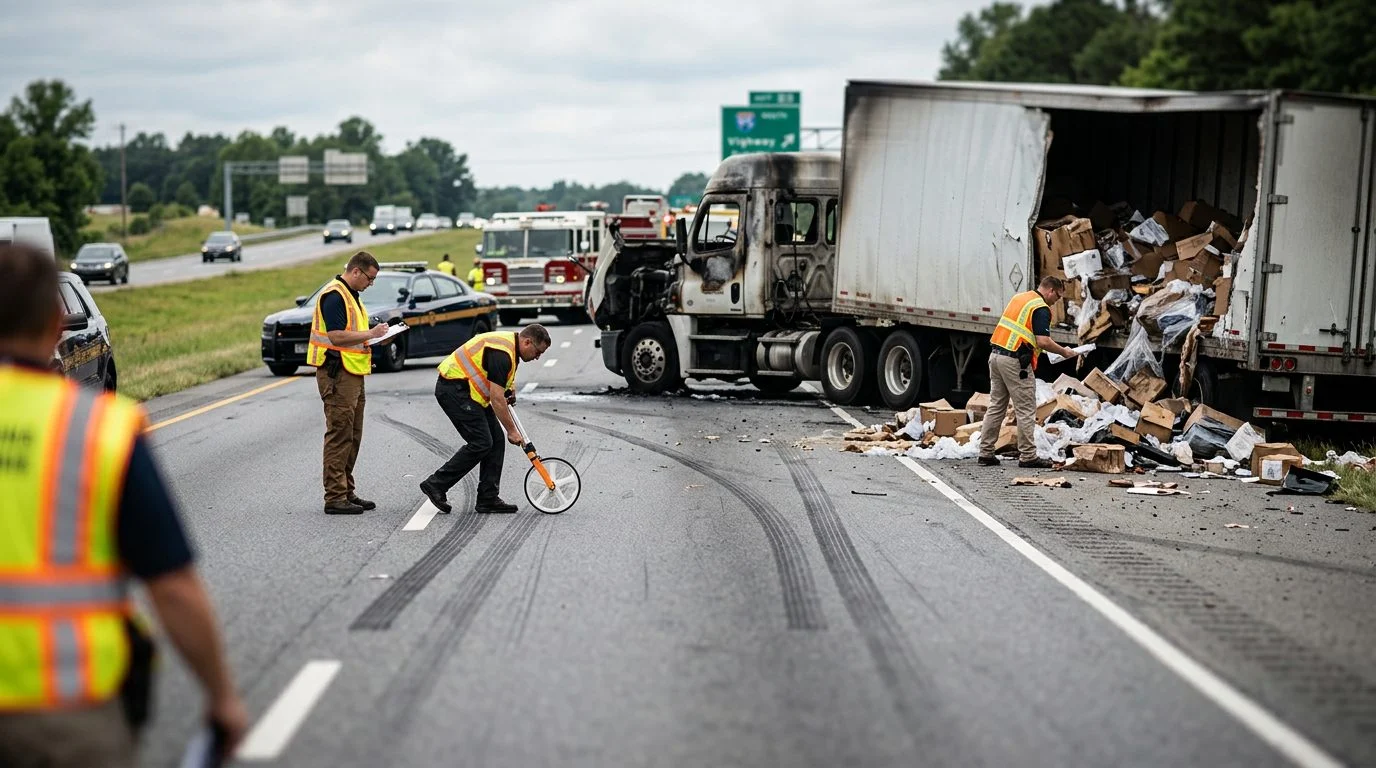
A burn injury truck crash Virginia case often starts with a crash and grows worse once fire is involved. Burns from truck crashes can be serious, painful and slow to heal. This guide answers common questions in plain language: how fires start, how burns are described, why treatment takes so long, which records matter, and how Virginia’s filing and punitive damages rules work.
How Truck Crashes Cause Fires and Burn Injuries
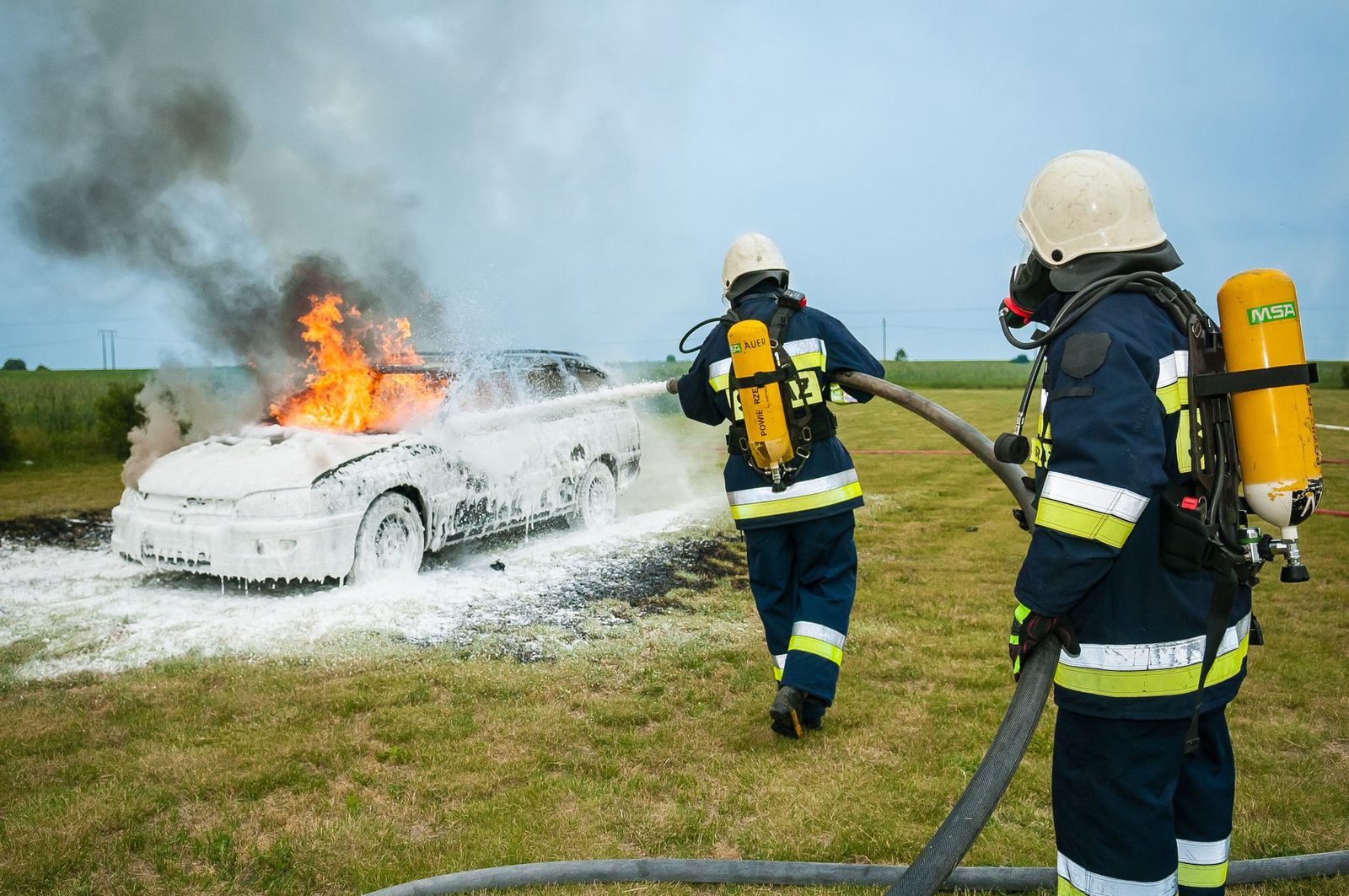
A truck crash can cause a fire when fuel, electrical parts or cargo ignite after the impact. Trucks carry large amounts of fuel, and that is one reason fire is a known risk after a crash. Diesel fuel is stored in tanks that can be punctured or cracked in a collision. Leaking fuel can reach hot engine parts, sparks or open flames. A damaged battery or wiring can also start a fire. Some loads are hazardous materials, which can make a fire more dangerous. A cab fire can trap a driver or passenger before they can get out, and fire can spread quickly.
Federal rules try to prevent some fuel fires. Under 49 C.F.R. § 392.50, a driver or motor carrier employee may not fuel a commercial motor vehicle with the engine running unless it is necessary. Smoking or open flames near a vehicle being fueled are also barred.
Burns do not only affect the truck driver. Other drivers, passengers, first responders and bystanders can be burned when a crash becomes a fire. The cause of any fire depends on the facts of the crash.
Not sure what your next step is?
Talk it through with Correll Law Firm — we can walk you through how a situation like yours is usually handled and what your options are.

How Burns Are Described: Degrees and Depth
Doctors describe burns by how deep the damage goes into the skin and tissue. A first degree burn affects only the outer layer of skin. A second degree burn reaches deeper layers and often causes blisters. A third degree burn damages the full thickness of skin and can reach the tissue below it. Deeper burns usually need more intensive care.
Depth also shapes the treatment plan. Doctors may discuss skin grafts, repeated surgeries or other procedures for deep wounds. Whether any of these are needed depends on the patient’s medical team and how the wound heals.
Emergency care follows set steps. The American Burn Association’s page on Advanced Burn Life Support describes assessment, stabilization, monitoring, fluid resuscitation, airway management and transfer for serious burns. Medical terms can sound alarming. Ask the treating team to explain each term in your records.
Why Burn Injuries Often Require Long Treatment
Burn care usually moves through several stages, and recovery often takes a long time. The first stage is emergency stabilization. Next comes wound care, which may include dressing changes over many days. Some patients need surgery. Rehabilitation and scar management often follow, and the stages can overlap.
Burns can affect movement, sensation, appearance and daily activities. Tight scar tissue can limit motion. Changes in feeling can make ordinary tasks harder. These effects can last well past the first hospital stay.
Recovery timelines vary by person and injury. The treating doctors’ records are the most reliable way to follow the course of care. Memories of the first days blur quickly, so write down dates, symptoms and visits as they happen. Keeping every appointment and therapy session matters for both health and the record.
Why Burns From a Truck Crash Can Be Catastrophic Injuries
A burn injury can be a catastrophic injury when its harm is serious and lasting. Catastrophic injury means serious, long-term harm. It can change work, family life and a person’s independence.
Burn injury truck crash Virginia claims can be complex for several reasons. Long-term care, scarring, lost ability to work and future medical needs all take time to understand. A burn can also happen alongside other injuries from the same crash, such as a traumatic brain injury or a spinal cord injury. Readers who want broader background can start with the firm’s truck accident page.
Correll Law Firm handles catastrophic injury matters, including those from truck and commercial vehicle crashes. The firm is based in Winchester and has an office in Harrisonburg. It serves people from across the Shenandoah Valley, including its northern communities, as well as Richmond and Henrico County.
Documenting a Burn Injury After a Truck Crash
Records from the crash and from treatment are the main way to show how a burn happened and how it was treated. Useful treatment records include emergency and hospital records, burn clinic and surgical notes, and therapy records. Dated photographs of the injury, taken over time, can show how the wound changed.
Crash evidence matters too. Photos of the scene and vehicles, names of witnesses, and names of responding agencies can help later. Keep any report numbers and the dates of every call or visit.
Virginia requires a driver involved in a crash with injury or death to stop and report it to police immediately (Va. Code §§ 46.2-371, 46.2-894). The two-year period is the deadline to file a lawsuit, not to report a crash (Va. Code § 8.01-243).
Filing Deadlines for Burn Injury Claims in Virginia
Virginia generally allows two years from the date of injury to file a personal injury lawsuit (Va. Code § 8.01-243(A)); the clock runs from the date of injury, not the date of discovery, with narrow exceptions.
Some claims carry notice requirements that run out sooner. Under Va. Code § 15.2-209, a claim for negligence against a county, city or town is barred unless a written statement of the nature of the claim, including the time and place of injury, is filed within six months after the claim accrues; failure to file is not a bar if the locality’s attorney, chief executive or mayor, or any insurer or entity providing coverage or indemnification of the claim, had actual knowledge of the claim within that period. If the claimant was under a disability when the claim accrued, the tolling provisions of § 8.01-229 apply. A crash on a local road may involve a government entity, so timing questions should be reviewed early.
A burn injury can also lead to death. In that case, a different timeline applies. A Virginia wrongful death action is filed by the decedent’s personal representative within two years of the death (Va. Code §§ 8.01-50(C), 8.01-244(B)), on behalf of the family members the statute protects.
Not sure what your next step is?
Talk it through with Correll Law Firm — we can walk you through how a situation like yours is usually handled and what your options are.
Punitive Damages in Truck Crash Cases
Punitive damages are not available just because a crash happened.
Living With Burn Injuries: The Long View
Burn survivors and their families often face changes that last long after the hospital stay. People often describe adjusting to scarring, returning to work and changes in daily routines. Relationships can shift when a family member needs help with ordinary tasks.
Families may need help understanding medical bills, insurance letters and the records that matter for years. Staying organized early makes later questions easier to answer. Keep the medical records in one place. Write down the timeline from the crash through each stage of care. Note what future care the doctors describe and which daily tasks have become harder.
Frequently Asked Questions
Are all burns from a truck crash catastrophic?
No. A burn is catastrophic when its harm is serious and lasting, and that depends on depth, treatment and long-term effects.
Can punitive damages apply to every truck crash in Virginia?
No. Virginia allows punitive damages for actual malice or for willful or wanton conduct, and a jury must find that the standard was met.