
Drunk Driving Crashes | Virginia
Hurt by a Drunk Driver? Start With These Steps
A crash caused by an impaired driver can leave you with injuries, bills and hard questions. Here is how to protect your health and your claim.
Published November 23, 2026
Being hit by a drunk driver is frightening, and the first days can feel chaotic. Here is what to do after a drunk driving accident in Virginia, in plain steps.
Get to safety, get medical care, report the crash to police right away, and write down what you saw while it is fresh. A civil claim for your losses may be possible, and Virginia’s filing deadlines start running on the date of injury.
Steps to take at the scene of a drunk driving crash
Your first job is safety, then medical care, then a report to police.
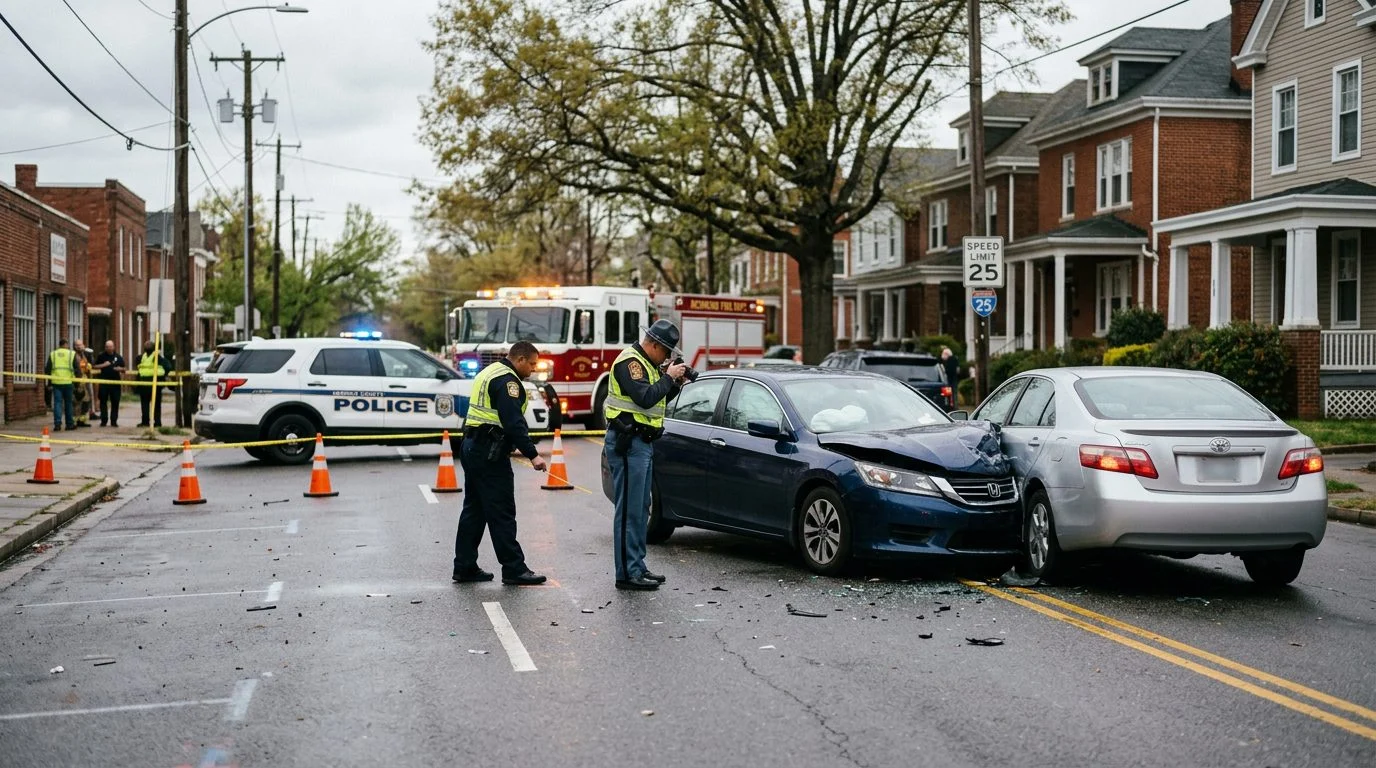
If you can move safely, get out of traffic. Call 911 and tell the operator that the other driver may be impaired. Check yourself and your passengers for injuries. Some injuries, including concussions, can show up hours or days later, so keep that in mind even if you feel fine.
If you are a passenger, the same safety steps apply to you. Stay in the vehicle if moving it could cause more harm, and tell responders about any pain in your neck or back.
Virginia requires a driver involved in a crash with injury or death to stop and report it to police immediately (Va. Code §§ 46.2-371, 46.2-894). You can read the duty in Va. Code § 46.2-894.
The lawsuit clock is a separate question, covered below.
Be factual with the officer. Note the signs of impairment you saw, such as slurred speech, the smell of alcohol or unsteady walking. Describe what you saw without arguing or making accusations. Ask the officer to record what was observed. Write down the time and place as soon as you can.
Not sure what your next step is?
Talk it through with Correll Law Firm — we can walk you through how a situation like yours is usually handled and what your options are.
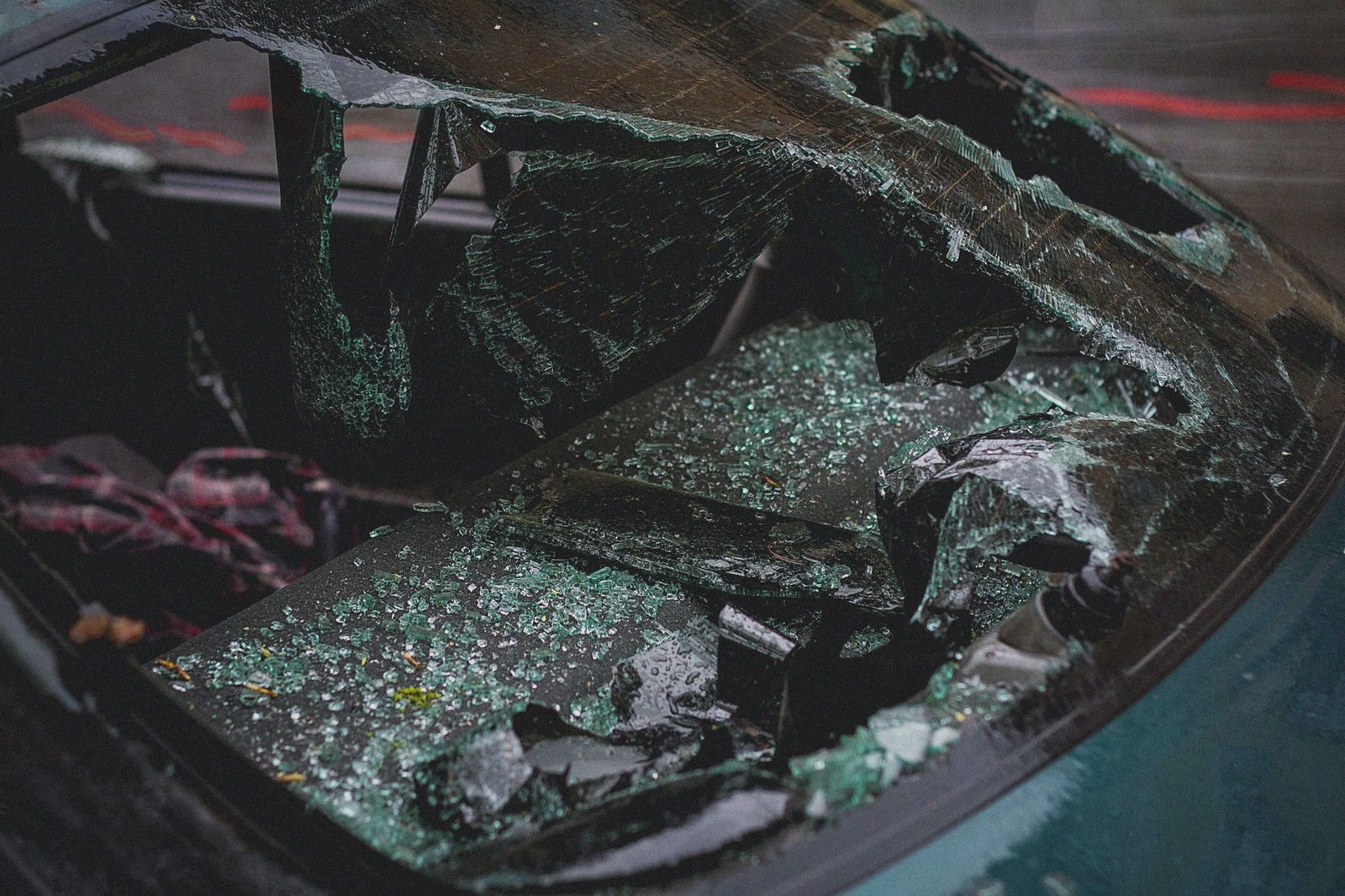
Documenting the crash and the signs of impairment
Write down the details while they are fresh, and get the crash report number before you leave the scene.
Ask the investigating officer for the crash report number and the name of the agency that wrote the report. Keep anything you receive from the scene, including the other driver’s name, insurance details and license plate number.
Take photos of both vehicles, the roadway, skid marks, traffic signals and any visible injuries. Get names and phone numbers of witnesses if you can. A witness may have seen the driver swerving or speeding before impact, and that detail can matter later. You’ll want to keep photos of vehicle damage even if a repair shop wants the car back.
A written timeline helps. Write it the same day. Include the time, the weather, where you were headed, what you saw the other driver doing, and what happened right after impact. Mark what you know and what you only believe.
Police records of field sobriety tests or an arrest become part of the official file. Keep the report number handy so you can find that file later.
Getting medical evaluation and keeping treatment records
Get a medical evaluation as soon as you can, even if your symptoms seem minor.
Brain and spinal injuries can have delayed symptoms. These include headaches, dizziness, numbness, weakness and memory trouble. Tell every provider how the crash happened, and tell them about any blow to the head. Your first records help show what happened and when.
Keep a simple symptom journal. Write down new pain, sleep problems, mood changes and trouble with daily tasks. Keep appointment dates, discharge instructions, prescription lists and imaging results together in one folder. If symptoms change or get worse, write down the date you noticed.
Save receipts for care, prescriptions and mileage to and from appointments. Gaps can raise questions later, so note any appointment you missed and why. Readers in the Shenandoah Valley and in Richmond and Henrico County follow the same steps, because the crash rules are Virginia-wide.
Can a drunk driver be sued in Virginia?
Yes, a person hurt in a drunk driving crash may have a civil claim against the driver who caused it.
A civil claim asks a court for money damages for losses such as medical bills and lost income. It is separate from any criminal case against the driver. Whether a claim is viable turns on how the crash happened and what the evidence shows. Keep every bill and receipt, since these records show your losses.
Impairment is one fact to look at, but the driver’s conduct must still have caused your injury.
How partial fault can affect a claim
Fault is a central question in any civil claim, so this rule matters early.
Virginia follows contributory negligence: if you are found even partly at fault, you may be barred from recovering, with limited exceptions. Talk to a lawyer about your facts.
Keep the police report and witness names. They help show how the crash happened, which is where fault questions start. If you are unsure how the crash happened, say so in your notes rather than guessing.
When punitive damages may be available
Punitive damages in Virginia require a specific standard, and they have a cap.
Virginia allows punitive damages for actual malice, or for willful or wanton conduct or recklessness showing a conscious disregard for the safety of others, capped at $350,000 (Va. Code § 8.01-38.1). The statute’s text is at Va. Code § 8.01-38.1. Punitive damages are separate from compensatory losses such as medical bills.
The jury must find that the conduct met this standard. Whether it did depends on the facts.
Not sure what your next step is?
Talk it through with Correll Law Firm — we can walk you through how a situation like yours is usually handled and what your options are.
Filing deadlines and the two-year time limit
The deadline to file a lawsuit is a separate question from crash reporting.
Virginia generally allows two years from the date of injury to file a personal injury lawsuit (Va. Code § 8.01-243(A)); the clock runs from the date of injury, not the date of discovery, with narrow exceptions.
Va. Code § 8.01-243 provides that, unless otherwise provided in that section or by other statute, every action for personal injuries, whatever the theory of recovery, shall be brought within two years after the cause of action accrues, and Va. Code § 8.01-230 provides that, for injury to the person, the limitation period begins to run from the date the injury is sustained and not when the resulting damage is discovered, except where the relief sought is solely equitable or where otherwise provided under § 8.01-233, subsection C of § 8.01-245, §§ 8.01-249, 8.01-250 or other statute.
Some claims carry notice requirements that run out sooner, so the two-year date is not always the first deadline. Set a reminder for the two-year date when you begin, and write the date of the crash at the top of your timeline.
When a drunk driving crash causes a death
A Virginia wrongful death action is filed by the decedent’s personal representative within two years of the death (Va. Code §§ 8.01-50(C), 8.01-244(B)), on behalf of the family members the statute protects.
The statutes are at Va. Code § 8.01-244 and Va. Code § 8.01-50.
Virginia wrongful death damages cover the family’s sorrow, mental anguish and loss of the decedent’s companionship, guidance and care; lost income and services; medical expenses from the injury; funeral expenses; and, for willful or wanton conduct, punitive damages (Va. Code § 8.01-52).
Who shares in the recovery follows Va. Code § 8.01-53. If you are helping a family after a death, gather the crash report, hospital records and funeral bills in one place.
For an overview of the firm’s car accident and wrongful death work, see the car accident and wrongful death overview.
Frequently asked questions
Does a drunk driving crash automatically mean punitive damages?
For punitive damages, the jury must find that the driver’s conduct met this standard.