
Wrongful Death | Virginia
What to Do After a Fatal Car Accident in Virginia
Immediate steps, legal protections, and how to move forward when a loved one is killed in a crash.
Published October 04, 2026
The death of a loved one in a car accident is sudden and devastating. In the immediate aftermath, you may not know what steps to take or what your family’s legal options are. This guide walks you through the practical and legal actions that matter in the first hours, days, and weeks—and explains why early legal guidance can protect your family’s interests.
The Immediate Aftermath: Emergency Response
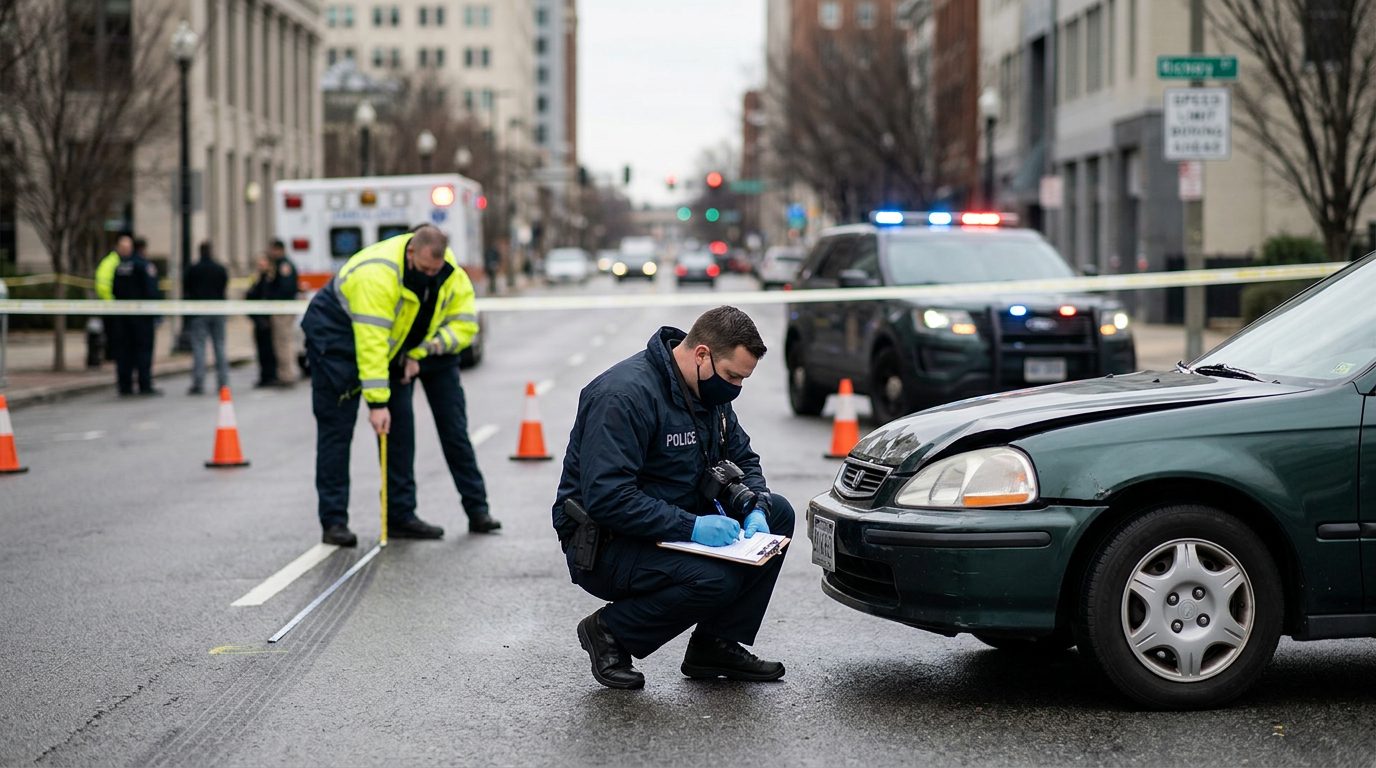
When a fatal car accident occurs, emergency services are typically called to the scene by witnesses or other drivers. Police, fire, and rescue personnel respond to secure the area and provide aid.
The investigating police department or Virginia State Police will document the scene, gather witness statements, and create an official accident report. This report becomes a critical record for insurance claims and any legal action your family may pursue later. If you were not present at the scene, your immediate focus should be on learning where your loved one has been taken—to a hospital or to the coroner’s office—so you can be with them or make arrangements.
Not sure what your next step is?
Keeping a written record of what happened, who was involved, and who you spoke with can help you organize information for later.
How Long Do You Have to Report a Fatal Car Accident in Virginia?
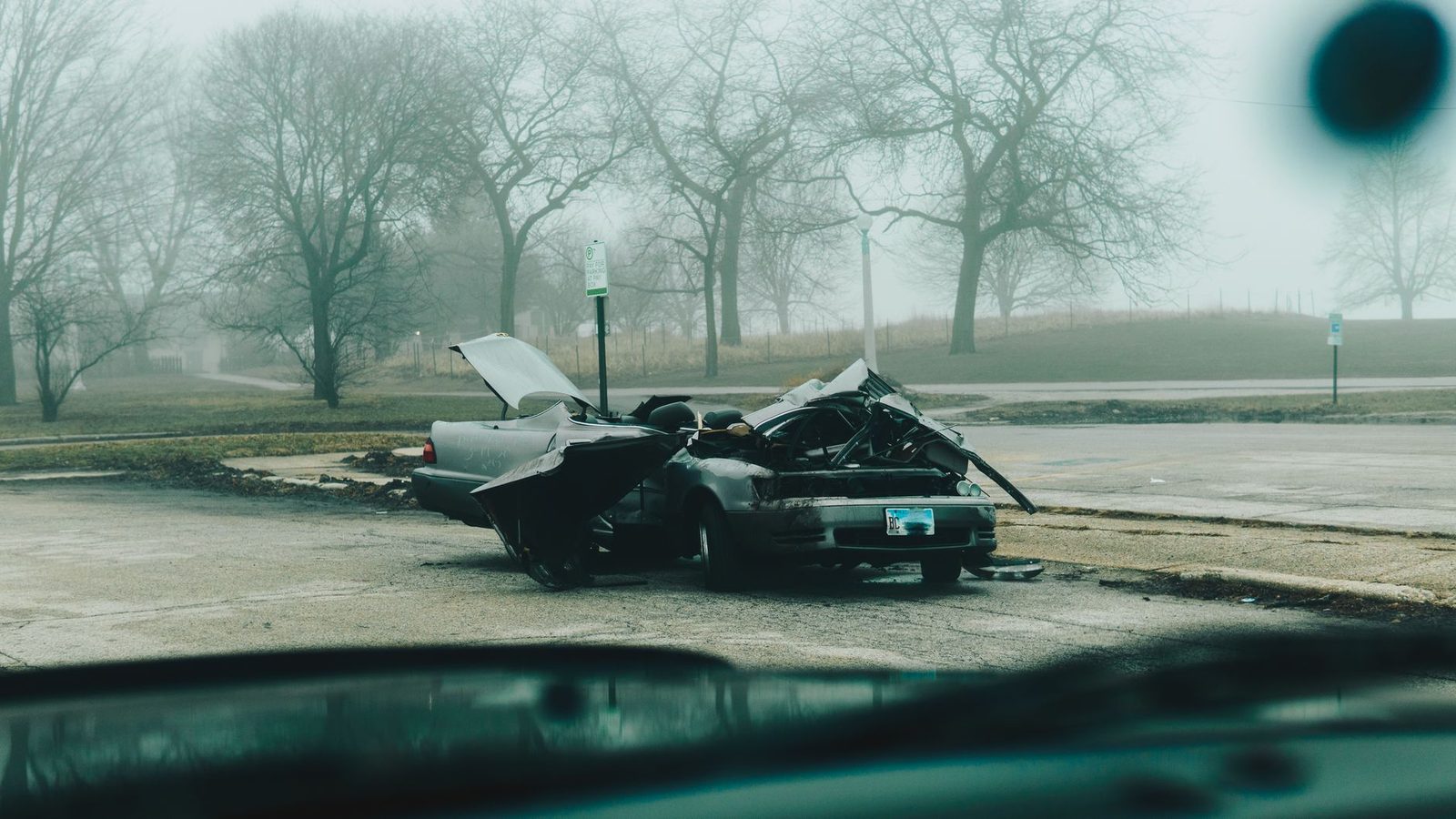
Virginia requires a driver involved in a crash with injury or death to stop and report it to police immediately (Va. Code §§ 46.2-371, 46.2-894).
However, if your family is considering a wrongful death claim, Virginia law sets a strict filing deadline. A Virginia wrongful death action is filed by the decedent’s personal representative within two years of the death (Va. Code §§ 8.01-50(C), 8.01-244(B)), on behalf of the family members the statute protects.
Obtaining the Police Report and Accident Documentation
The police report is one of the most important documents your family will need. It contains details about how the crash occurred, contributing factors, road conditions, any citations issued, and the investigating officer’s observations.
To obtain the report:
- Contact the police department or state police agency that investigated the accident
- Provide your name, your relationship to the deceased, and the date and location of the crash
- Request certified copies of the accident report; you may need multiple copies for insurance, legal, and financial purposes
- There may be a small fee for copies
This documentation will be essential when you file an insurance claim or discuss a wrongful death claim with a lawyer.
Notifying Insurance Companies
The at-fault driver’s insurance company will eventually be notified by police or the other party. If your loved one was the driver, their own auto insurance should be notified as well.
When communicating with insurance adjusters, provide only basic facts: the date, time, location, and vehicles involved. Do not make detailed statements or recorded statements without understanding what you are being asked or having legal guidance. Insurance adjusters are trained to minimize payouts, and anything you say can be used against your family’s interests.
What Not to Tell Your Insurance Company
Families in shock sometimes say things that inadvertently hurt their case. Here’s what to avoid:
- Do not apologize or use language that sounds like an admission of responsibility (“I’m sorry this happened” or “We should have been more careful”).
- Do not speculate about the cause of the accident or what the other driver was doing.
- Do not agree to a recorded statement without first understanding what the adjuster will ask and having legal guidance.
- Do not provide details beyond the basics—stick to date, time, location, and vehicle information.
- Do not discuss the deceased’s medical history, habits, or anything unrelated to the accident itself.
A lawyer can help you communicate with insurers in a way that protects your family’s legal interests while you grieve.
Arranging for Medical Examination and Death Certificate
The coroner or medical examiner will conduct an investigation to determine the cause of death. If the cause is not immediately clear, an autopsy may be performed. This is a standard procedure and does not delay the family’s ability to make arrangements.
A death certificate will be issued once the investigation is complete. You will need multiple certified copies for:
- Insurance claims
- Social Security and pension benefits
- Bank accounts and financial institutions
- Legal proceedings, including a wrongful death claim
Contact the vital records office in the county where the death occurred to order certified copies. Having several copies on hand will save time and frustration as you handle the many administrative tasks that follow.
Not sure what your next step is?
Understanding Wrongful Death Claims in Virginia
A wrongful death claim seeks to recover damages for:
Virginia follows contributory negligence: if you are found even partly at fault, you may be barred from recovering, with limited exceptions. Talk to a lawyer about your facts. If you have concerns about whether fault may affect a claim, you may wish to talk with a lawyer about your particular situation. The facts of the crash are the starting point for any review of a claim. A lawyer can review those facts with you and explain what may be possible.
How Long Does It Take to Clear a Fatal Car Accident Scene?
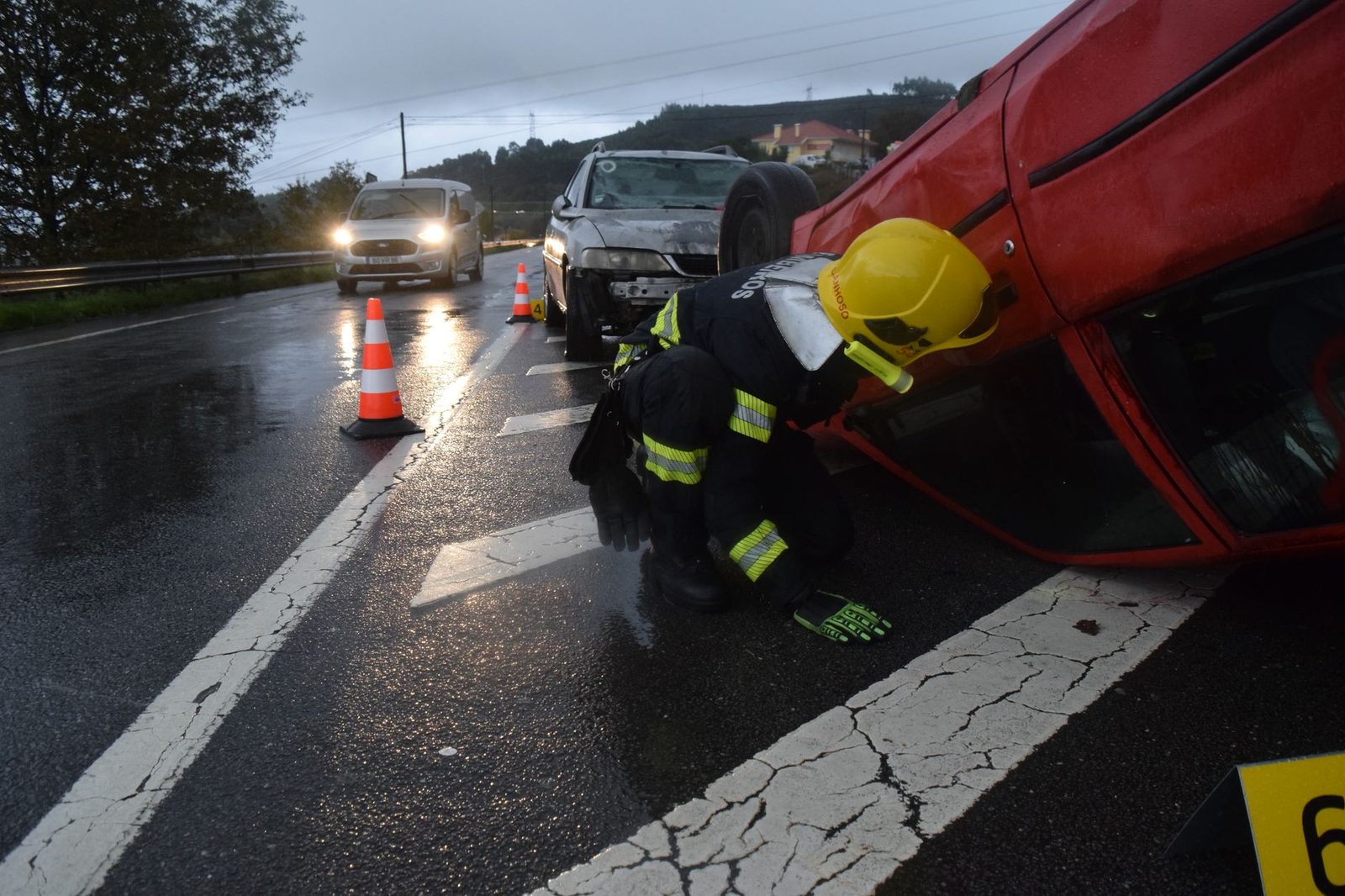
Police will secure the scene and conduct their investigation. The roadway may be closed to traffic during this time. Once police have completed their work, the vehicles and debris are removed by tow trucks. The exact timeline depends on the complexity of the crash and how long the investigation takes.
What Happens When Someone Dies in a Car Accident: Criminal vs. Civil
After a fatal accident, two separate legal processes may occur:
Criminal Investigation: Police will investigate whether any criminal charges are appropriate—such as reckless driving, driving under the influence (DUI), or vehicular manslaughter. If charges are filed, the state (not your family) prosecutes the case.
Civil Wrongful Death Claim: A separate civil lawsuit may seek damages from the at-fault driver.
Both processes can happen at the same time. A criminal conviction may help your family’s civil case, but your family does not have to wait for a criminal trial to file a wrongful death claim.
Gathering Evidence and Witness Information
Preserving evidence early helps keep a record of what happened. If you were present or learn of witness names and contact information, write it down. Photos of the scene, vehicle damage, and road conditions can be important later.
Medical records, employment records, and financial documents related to the deceased may be needed to support a wrongful death claim. A lawyer can help you gather and organize this information.
When to Reach Out to a Wrongful Death Lawyer
There is no “right” time to consult a lawyer, but sooner is better than later. A lawyer can:
- Explain your family’s legal options
- Clarify the filing deadline that applies to your situation
- Review the police report and accident details
- Advise you on what to say (and not say) to insurance companies
- Help you gather and preserve evidence
Early consultation does not obligate your family to file a claim. It gives you information to make an informed decision about whether a wrongful death claim makes sense for your family. Many families find it helpful to talk to a lawyer within days or weeks of the accident, while details are fresh and the two-year filing deadline is still well ahead.
If your family has lost someone in a fatal car accident in Virginia, you’re facing decisions that matter—and a wrongful death lawyer can help you understand your options and the timeline that applies to your situation. Families in the Shenandoah Valley, Richmond, Henrico County, and across Virginia can reach out to discuss what comes next.
Related practice areas
- Wrongful Death Claims from Car and Truck Accidents in Virginia
- Who Can File a Wrongful Death Claim in Virginia After a Crash
- Commercial Vehicle Accident Catastrophic Injury Lawyer