
Car Accidents | Virginia
Minor Crash, Real Questions: Police Reports in Virginia
Plain answers on when police must be called, what to record at the scene, and where to turn if a small collision leaves you with bigger problems.
Where the firm works
2
Offices, in Winchester and Harrisonburg
Virginia
Serving the Shenandoah Valley, Front Royal, Richmond and Henrico County
Published November 27, 2026
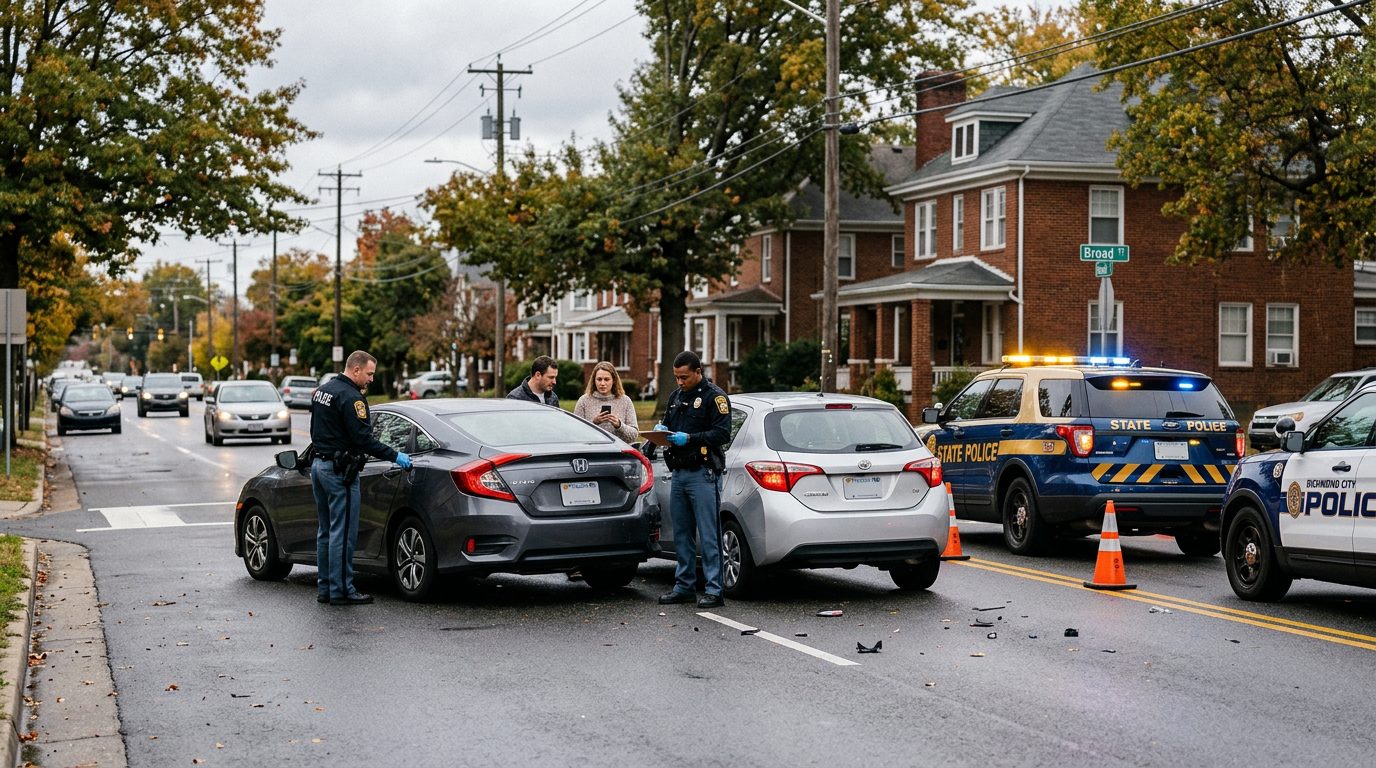
A small bump in traffic can still leave you shaken and unsure what to do. You may be asking: do you have to call police after a minor car accident in Virginia? If anyone was injured or killed, Virginia law requires the driver to stop and report the crash right away. Even a crash that seems minor can be worth documenting, and this page explains how.
The short answer: when Virginia requires a police report
Virginia requires a driver involved in a crash with injury or death to stop and report it to police immediately (Va. Code §§ 46.2-371, 46.2-894). The two-year period people often hear about is the deadline to file a lawsuit, not the deadline to report a crash (Va. Code § 8.01-243).
The stop-and-report duty in § 46.2-894 asks the driver to stop as close to the scene as possible without blocking traffic. If injuries keep the driver from doing this, the driver must report as soon as reasonably possible.
A willful failure to report is a Class 4 misdemeanor under § 46.2-371. That penalty, for willful failure to report an accident that results in injury or death, is one reason stopping matters, even when a crash looks small.
Whether a particular crash triggers this duty depends on its facts. A crash can look minor and still involve an injury nobody noticed at first.
Not sure what your next step is?
Talk it through with Correll Law Firm — we can walk you through how a situation like yours is usually handled and what your options are.
Why a police report still matters after a minor crash
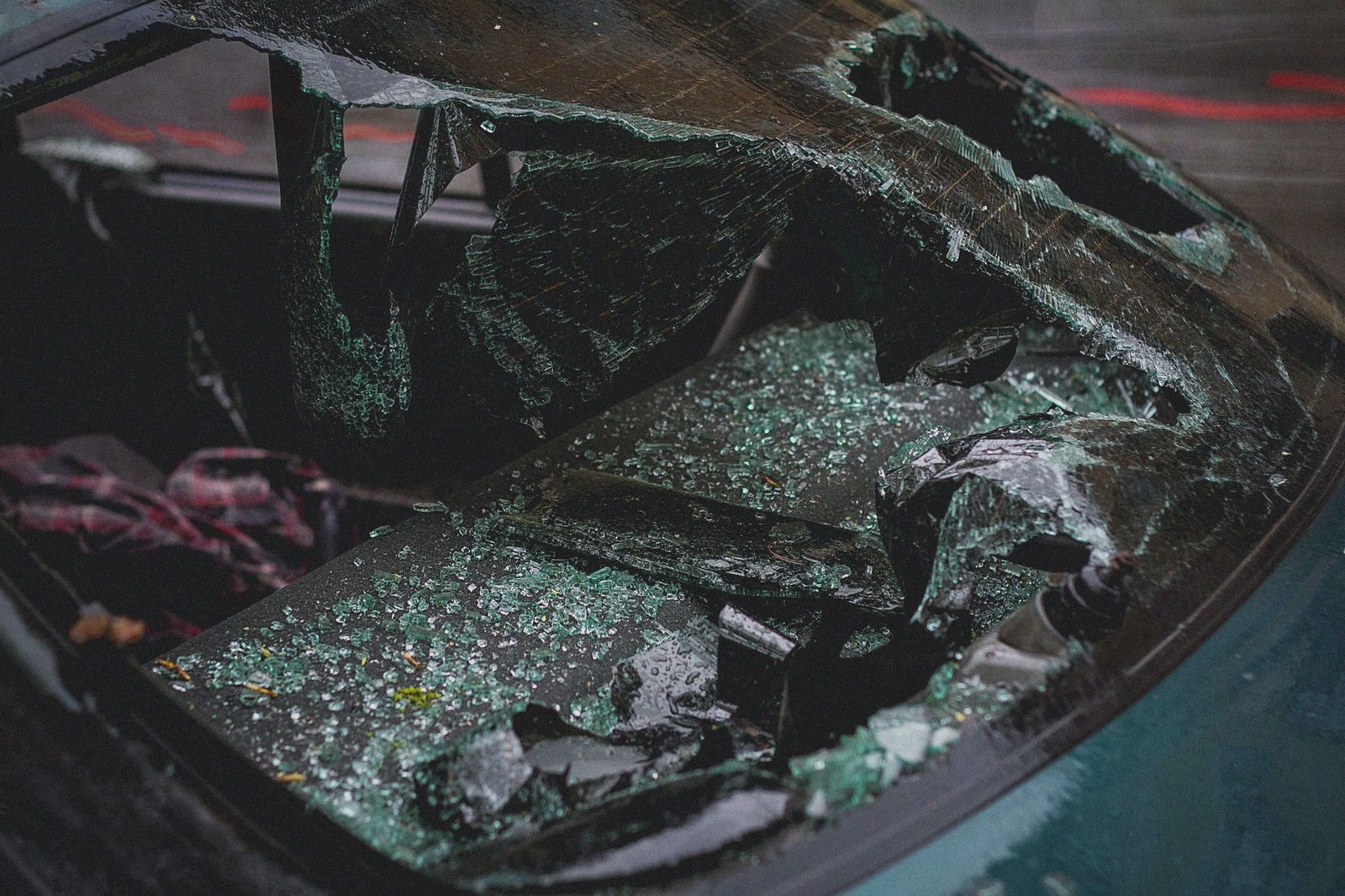
A police report gives an official record of the date, time, place, and the people involved. It helps most when drivers later disagree.
Memories fade quickly after a crash, and two drivers often describe the same moment differently. A report captures basic facts while they are still easy to confirm.
Fault is where disputes usually begin. Virginia follows contributory negligence: if you are found even partly at fault, you may be barred from recovering, with limited exceptions. Talk to a lawyer about your facts.
Fault often turns on who could have avoided the crash. Scene details such as sightlines, lighting, and where vehicles came to rest can help show what was visible.
A report is not the only proof, but it is often the first official record. You can learn who may request a copy on the Virginia DMV crash report request page.
Injuries you may not notice right away
Some injuries do not show up until hours or days after a crash, so a medical check soon after can matter.
Adrenaline can mask pain at the scene. Many people feel fine in the first minutes, then notice stiffness, neck or back pain, headaches, or dizziness later. These symptoms are easy to dismiss, especially after a low-speed impact.
A medical evaluation creates a dated record that links your symptoms to the crash. Without one, it can be harder later to show when symptoms began and what caused them.
Keep track on your own, too. Write down when each symptom started, how it changed, and what you were doing. Keep every appointment summary and discharge paper, and tell your provider exactly how the crash happened.
Evidence that can help when no police report was made
When police were not called, photos, names, and notes from the scene can help fill the gap.
Take photos of both vehicles, the scene, road conditions, and visible damage before the cars are moved, if it is safe. Wide shots show positions, and close shots show damage.
Record these details while you still remember them:
- The other driver’s name, phone number, driver’s license number, insurance details, and license plate number
- Witness names and contact details
- Texts, call logs, and notes you write soon after the crash
- Medical records and discharge papers
Keep everything in one folder so it stays organized. Early notes are easier to trust because they were written close to the event.
When the other driver will not cooperate or police were not called
If the other driver leaves or refuses to share information, document what you can and report the crash as soon as you safely can.
The stop-and-report duty in § 46.2-894 applies to a driver involved in an accident in which a person is killed or injured, and also to an accident in which an attended vehicle or other attended property is damaged. A driver who leaves the scene is not following that duty. If injuries keep you from reporting at the scene, the statute asks you to report as soon as reasonably possible and make a reasonable effort to find the other parties.
Write down the plate, vehicle description, location, and time as soon as it is safe, before you speak with anyone else. Note any witness who saw the other vehicle leave, along with their contact details.
Deadlines and commercial vehicle crashes
Lawsuit timing and notice rules are separate questions, and each has its own clock.
Virginia generally allows two years from the date of injury to file a personal injury lawsuit (Va. Code § 8.01-243(A)); the clock runs from the date of injury, not the date of discovery, with narrow exceptions. Some claims carry notice requirements that run out sooner. If the crash involved a county, city, or town, a negligence claim generally must be preceded by a written statement of the claim, filed with the locality’s attorney or chief executive or mayor within six months after the cause of action accrued (Va. Code § 15.2-209). Otherwise the claim is barred unless the attorney, chief executive, mayor, or any insurer or entity providing coverage or indemnification of the claim had actual knowledge of it within six months. Tolling applies if the claimant was under a disability when the claim accrued.
A crash involving a commercial truck, commercial vehicle, or work van may also involve company records. Motor carriers must keep an accident register for three years after each accident (49 C.F.R. § 390.15). After the required retention periods, records may be destroyed at a company’s discretion unless another government body requires longer retention (49 C.F.R. § 379.3), so early requests for records matter.
The firm handles car accidents and commercial vehicle crashes in Virginia. For more on commercial vehicle crashes, read the commercial vehicle accident guide. Work van, tractor-trailer, and box truck crashes each raise their own record questions.
Quick answers
Does a police report decide who was at fault? A police report records the facts and an officer’s observations. On its own, it does not decide fault.
Should I photograph the scene after a minor crash? Yes. Photos taken soon after the crash capture details that can fade later.